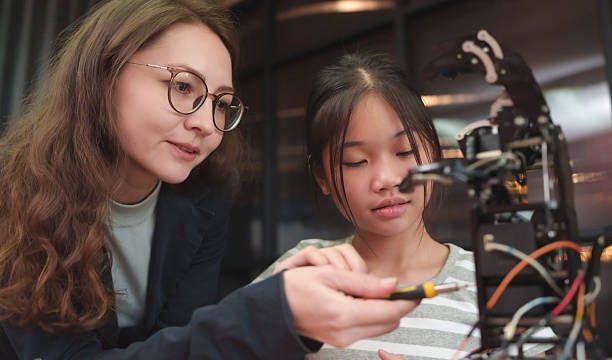
Home education can be a beautiful journey, one filled with moments of discovery, creativity, and connection.
For families who choose this path, the opportunity to explore the world through hands-on experiments can transform learning into an engaging adventure.
Wholesome experiments that spark curiosity and foster a love for learning can be seamlessly integrated into your home education routine.
Here, we’ll explore some delightful activities that not only educate but also nurture a sense of wonder.
Creating a nurturing environment for experimentation begins with a simple mindset. Embracing the idea that mistakes are part of the learning process can help children feel more comfortable exploring new concepts. This gentle approach encourages them to ask questions, be curious, and engage with the world around them.
A small shift toward balance
One of the most accessible ways to introduce experimentation at home is through the kitchen. Cooking is a delightful blend of science and art, making it an ideal platform for exploration. When children assist in the kitchen, they can observe chemical reactions, understand measurements, and even learn about nutrition. Baking a loaf of bread, for example, allows them to witness the magic of yeast as it transforms dough into a fluffy creation.
Encouraging children to take charge of their own cooking experiments can also be incredibly rewarding. Allow them to choose a recipe, gather ingredients, and modify it to create their unique version. This not only fosters independence but also cultivates creativity and critical thinking. Perhaps they’ll decide to add a pinch of cinnamon to a cookie recipe or experiment with different types of flour. Each choice becomes a lesson in cause and effect, enhancing their understanding of how ingredients interact.
Venturing outdoors offers a treasure trove of opportunities for experiments that connect children with nature. Gardening is a wonderful way to teach kids about biology and ecology in a hands-on manner. Whether it’s planting seeds, nurturing seedlings, or observing insects, every moment spent in the garden can spark curiosity about life cycles and ecosystems.
Children can keep a journal to document their observations, noting the growth of plants or the behavior of wildlife. This practice not only reinforces their writing skills but also encourages them to think critically about their surroundings. The simple act of watching a seed sprout can ignite a passion for the natural world, leading to deeper explorations in botany and environmental science.
Finding joy in the simple things
Another way to enhance home education is through art experiments. Art provides an excellent avenue for children to express themselves while exploring various materials and techniques. Setting up a space where they can paint, sculpt, or create with recycled materials allows for creativity to flow freely.
Consider introducing a theme for an art project, such as “under the sea” or “outer space.” Children can research their chosen theme and then create artwork that reflects their newfound knowledge. This not only promotes creativity but also integrates research skills and artistic expression. The process of creating becomes a holistic learning experience, where art and education intertwine beautifully.
Science experiments can be equally fun and educational. Everyday household items can serve as the foundation for engaging activities. For example, creating a simple volcano using baking soda and vinegar can teach children about chemical reactions in an exciting way. Watching the fizz and eruption can be a thrilling spectacle that solidifies their understanding of basic scientific principles.
Encouraging children to ask questions during these experiments is key. Why does the vinegar react with the baking soda? What happens if we change the ratio of the ingredients? These inquiries not only deepen their understanding but also foster a sense of inquiry that is essential for lifelong learning.
Creating a sense of community
Involving the family in these experiments can enhance the experience further. Hosting a science or art night where everyone participates can create lasting memories and encourage collaboration. Families can take turns presenting their projects, sharing what they’ve learned, and celebrating each other’s creativity. This practice not only reinforces the lessons learned but also strengthens family bonds.
Another way to foster a sense of community is by connecting with other families who are also engaged in home education. Organizing group activities or workshops can provide children with opportunities to collaborate and share ideas. Whether it’s a nature walk, a crafting session, or a science fair, these shared experiences can enrich their learning journey.
As children explore the world through these wholesome experiments, it’s essential to provide gentle guidance while allowing them the freedom to explore independently. This balance nurtures their confidence and encourages them to take ownership of their learning.
Finding peace in the process
Home education is not just about academic achievement; it’s also about nurturing the whole child. Emphasizing social-emotional learning through experiments can help children develop resilience, empathy, and critical thinking. When they face challenges, such as a failed experiment, guiding them to reflect on what went wrong and how they can improve fosters a growth mindset.
Incorporating mindfulness into your home education routine can also enhance the learning experience. Taking moments to pause, breathe, and reflect can help children process their emotions and thoughts. Whether it’s through a quiet moment in the garden or a reflective discussion after an experiment, these practices promote overall well-being.
Ultimately, the goal of home education is to nurture a lifelong love for learning. Wholesome experiments can be a joyful and enriching part of this journey, creating an environment where curiosity thrives. By fostering a sense of wonder and exploration, families can embark on a beautiful adventure together, discovering the world in all its complexity and beauty.
As you navigate the path of home education, remember that every small experiment, every question asked, and every moment of discovery contributes to a rich tapestry of learning. Embrace the journey, cherish the experiences, and watch as your children flourish in their pursuit of knowledge.