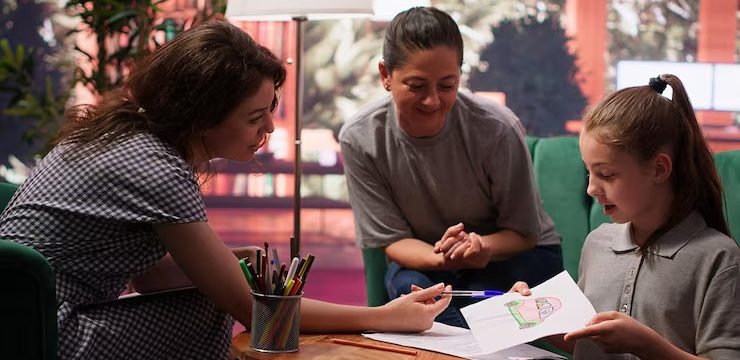
In a world that’s constantly changing, the importance of nurturing early childhood learning has never been more crucial.
Among the many avenues available, reading programs stand out as a beacon of hope and opportunity.
These programs are designed to cultivate a love for reading and learning, shaping young minds in ways that can ripple through their lives.
The foundation of a child’s development is laid in the early years, and reading plays a pivotal role in this process. Imagine a cozy corner filled with colorful books, where children can escape into different worlds, explore new ideas, and develop their imaginations. This isn’t just a dream; it’s a reality made possible through effective reading programs that prioritize engagement and comprehension.
Creating a nurturing environment for reading can be as simple as setting aside time each day for storytime. This practice not only fosters a love for books but also strengthens the bond between caregivers and children. When parents or guardians read aloud, they provide a model for language development. Children hear the rhythm and melody of spoken language, which enhances their vocabulary and comprehension skills.
Reading programs often incorporate a variety of strategies tailored to engage young learners. These can include interactive storytelling, where children are invited to participate in the narrative, or themed reading sessions that align with their interests. Such methods not only capture attention but also encourage critical thinking and creativity. When children are actively involved in the reading process, they are more likely to develop a deeper understanding of the material.
A small shift toward balance can make a significant difference in how children perceive reading. Instead of viewing it as a chore, they start to associate it with enjoyment. This transformation is crucial, as a positive attitude toward reading often leads to lifelong habits. Children who see reading as a delightful activity are more likely to continue exploring books independently as they grow older.
Moreover, reading programs often create a sense of community among young learners. Libraries and schools frequently host events that encourage children to come together and share their love for books. These gatherings can take the form of book fairs, reading challenges, or storytelling sessions led by local authors. When children engage with their peers in this way, they not only develop social skills but also learn to appreciate diverse perspectives and stories.
The impact of reading programs extends beyond the immediate joy of storytelling. Research suggests that early exposure to reading can have long-lasting effects on academic success. Children who participate in these programs often demonstrate improved literacy skills, which lays the groundwork for future learning. As they progress through school, these foundational skills can lead to enhanced performance in various subjects, not just language arts.
In addition to academic benefits, reading programs often play a vital role in emotional and social development. Books have the power to introduce children to different cultures, experiences, and emotions. Through relatable characters and narratives, children can learn empathy and compassion, helping them navigate their own feelings and relationships. When they encounter challenges faced by characters in stories, they gain insights that can apply to their own lives.
As parents and educators, there’s a unique opportunity to guide children through this enriching experience. Encouraging discussions about the stories they read can deepen comprehension and foster critical thinking. By asking open-ended questions, caregivers can help children articulate their thoughts and feelings about the narrative. This dialogue not only enhances understanding but also builds confidence in expressing themselves.
Incorporating technology can also enhance the reading experience for young learners. Digital storytelling apps and e-books can complement traditional reading methods, making literature accessible in new and engaging formats. Interactive features often found in these resources can captivate children’s attention, providing an additional layer of excitement to their reading journey.
As we contemplate the future of education, it’s important to recognize the role of diverse reading materials. It’s essential for children to encounter a wide range of genres and authors. Exposure to different viewpoints and writing styles not only broadens their horizons but also encourages critical thinking. When children engage with varied content, they learn to appreciate the richness of language and storytelling.
The impact of reading programs on early childhood learning is profound and multifaceted. They serve as a bridge, connecting young minds to a world of knowledge, creativity, and empathy. By fostering a love for reading, we can empower the next generation to explore and understand the world around them.
In nurturing this love, we are not just teaching children to read; we are equipping them with tools to navigate their lives. As they delve into the pages of a book, they embark on a journey of discovery that can shape their futures in ways we can only begin to imagine.
As caregivers and educators, we can all contribute to this beautiful endeavor. Let’s continue to create spaces—both physical and emotional—where young readers can flourish. Through reading programs, we can inspire a lifelong passion for learning, ensuring that children not only read but also dream, explore, and grow.
In the end, the true magic of reading lies in its ability to connect us, to share stories that resonate across time and space. Together, let’s celebrate the joy of reading and the endless possibilities it brings to every child’s life.