In the ever-evolving landscape of childhood development, nurturing creativity stands as a cornerstone for fostering well-rounded individuals.
Creative activities not only spark joy and imagination but also play a significant role in enhancing various aspects of a child’s growth.
Whether through art, music, or imaginative play, these activities contribute to emotional, cognitive, and social development.
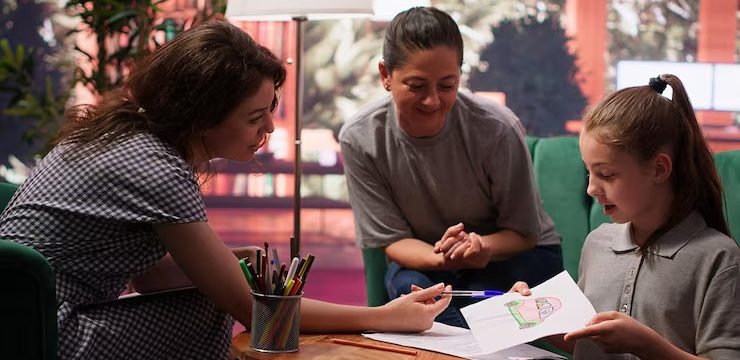
The beauty of engaging children in creative endeavors lies in their ability to express themselves freely. When children are encouraged to explore their imaginations, they learn to communicate their thoughts and feelings in a myriad of ways. This expression can take shape through drawing, painting, or even storytelling. Each brushstroke or word they choose can serve as a window into their world, allowing them to process emotions and experiences.
Exploring the arts can be particularly beneficial for young minds. Art projects, whether simple or complex, encourage children to think critically and make decisions. For instance, when a child decides what colors to use or how to represent a scene, they are exercising their ability to make choices and solve problems. This hands-on experience not only cultivates creativity but also enhances fine motor skills, as they learn to maneuver brushes, scissors, or clay.
Music, too, plays an instrumental role in a child’s development. Engaging with music can enhance cognitive skills, improve memory, and even boost mathematical abilities. Singing songs, playing instruments, or simply listening to different genres introduces children to rhythm and patterns, which are fundamental in understanding the world around them. Furthermore, music can be a powerful tool for emotional expression, helping children articulate feelings they may not yet have words for.
Imaginative play is another vital component of creative development. When children engage in role-playing, they step into different characters and scenarios, which fosters empathy and social skills. This type of play allows them to navigate complex social situations, understand various perspectives, and develop problem-solving abilities. As they negotiate roles and rules with their peers, they learn valuable lessons about cooperation and communication.
Encouraging creativity doesn’t have to be a daunting task for parents or caregivers. Simple activities can yield profound benefits. A cozy corner with art supplies, musical instruments, or costumes can transform a regular space into a hub of creativity. Setting aside time for unstructured play allows children to explore their interests without the constraints of adult expectations. The key is to create an environment where children feel safe to experiment and express themselves.
A small shift toward balance can make a world of difference in a child’s daily routine. While structured activities and academic learning are important, incorporating time for creative exploration allows children to recharge and reconnect with their innate curiosity. This balance helps prevent burnout and promotes a more holistic approach to learning.
Nature, too, offers a rich backdrop for creativity. Outdoor activities, such as scavenger hunts or nature walks, can inspire children to observe and interact with their environment. Collecting leaves, stones, or flowers can lead to imaginative projects, such as creating a nature collage or crafting a story about their findings. This connection to nature not only nurtures creativity but also instills a sense of appreciation for the world around them.
Incorporating storytelling into daily routines can also enrich a child’s development. Reading together or encouraging children to create their own stories can enhance literacy skills while igniting their imagination. Storytelling allows them to explore different cultures, ideas, and emotions, broadening their understanding of the human experience.
As children engage in these creative activities, it’s essential to celebrate their efforts rather than focusing solely on the end result. Praising their creativity fosters a growth mindset, encouraging them to take risks and try new things without the fear of failure. This supportive atmosphere nurtures resilience, teaching children that mistakes are a natural part of the learning process.
In addition to individual creativity, collaborative projects can enhance social skills and teamwork. Working together on a group art piece or putting on a play allows children to learn how to share ideas, negotiate roles, and appreciate the contributions of others. These experiences build a sense of community and belonging, which are crucial for emotional well-being.
As parents and caregivers, it’s important to be mindful of our own attitudes toward creativity. Encouraging a playful spirit and showing enthusiasm for creative activities can inspire children to embrace their own creativity. Participating in these activities alongside them not only strengthens bonds but also reinforces the idea that creativity is a lifelong journey worth pursuing.
Ultimately, the goal is not to produce a masterpiece or a perfect performance but to cultivate a love for creativity and self-expression. By providing opportunities for children to explore their interests and express themselves freely, we can help them develop into confident, well-rounded individuals. The memories created in these moments of creativity will last a lifetime, shaping not only their childhood but also their approach to life as they grow.
In a world that often emphasizes achievement and competition, fostering creativity in children serves as a gentle reminder of the importance of play, imagination, and self-expression. By embracing these creative activities, we enrich their development and empower them to navigate the world with curiosity, compassion, and confidence.