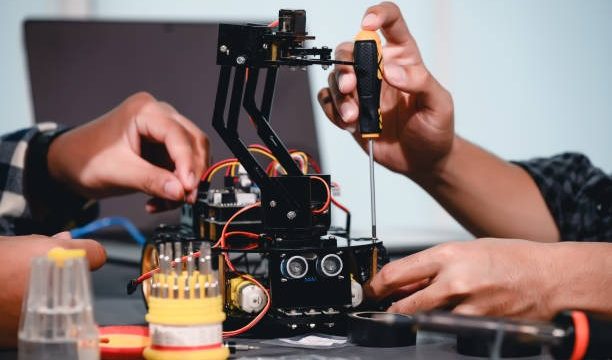
Creating a lab manual may seem like a straightforward task, yet it holds the potential to transform the way experiments are conducted and understood.
A well-crafted lab manual serves not just as a guide, but as a nurturing tool that enhances the learning experience.
It brings clarity and structure to the often chaotic world of scientific exploration.
Here, we delve into key concepts that should be thoughtfully woven into any lab manual, ensuring it becomes a cherished companion for students and educators alike.
A gentle introduction to the lab environment lays the groundwork for a positive experience. This section should evoke a sense of curiosity and excitement about the scientific journey ahead. By outlining the purpose of the lab and the importance of hands-on experience, readers can appreciate the value of what they are about to embark upon. Infusing this introduction with relatable anecdotes or inspirational quotes can help create an inviting atmosphere, encouraging students to engage with the material wholeheartedly.
As we delve deeper, clarity in procedures becomes paramount. Each experiment should be broken down into clear, concise steps that guide the reader from start to finish. The language used should be accessible, avoiding jargon that might alienate novice learners. When instructions are presented in a straightforward manner, it allows students to focus on the experiment itself rather than becoming entangled in complex terminology. Including diagrams or illustrations can also enhance understanding, making abstract concepts more tangible.
Safety is a critical aspect that cannot be overlooked. A dedicated section on safety protocols fosters a culture of responsibility and awareness. Here, it’s vital to convey the importance of safety without instilling fear. Instead of a stern warning, consider framing safety as an essential part of the scientific process. This could include practical tips on how to handle equipment safely, the importance of wearing protective gear, and a gentle reminder to always be aware of one’s surroundings in the lab. When students feel safe, they are more likely to explore and innovate.
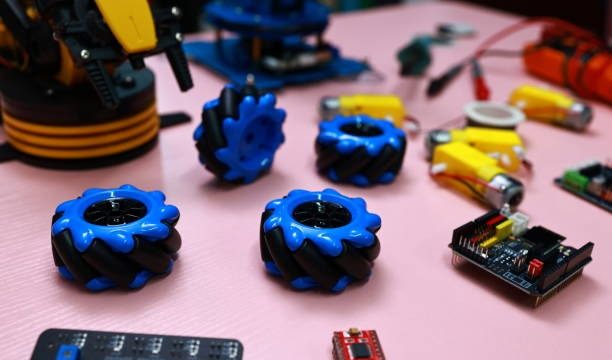
Equally important is the inclusion of materials and equipment. A comprehensive list of what is needed for each experiment not only prepares students but also encourages them to take ownership of their learning. This section can serve as a checklist, allowing students to gather everything they need before diving into the experiment. Moreover, providing brief descriptions of each item helps demystify the tools of science, inviting students to develop a relationship with the equipment they will use.
As we move forward, the significance of data collection and analysis cannot be overstated. Encouraging students to observe closely and record their findings promotes a deeper understanding of the scientific method. This section should guide them on how to collect data effectively and the importance of accuracy in their observations. By introducing simple techniques for organizing and analyzing data, students can learn to draw meaningful conclusions from their experiments. The emphasis here should be on cultivating a mindset of inquiry and curiosity, rather than merely seeking the “right” answer.
Incorporating reflection into the lab manual can be transformative. After completing each experiment, students should be encouraged to reflect on their experiences, considering what worked well and what could be improved. This practice not only enhances critical thinking skills but also fosters a sense of ownership over their learning journey. Providing prompts for reflection can help guide students in articulating their thoughts, allowing them to connect the dots between theory and practice.
Connecting experiments to real-world applications can further enrich the learning experience. When students see how scientific principles apply outside the classroom, their engagement deepens. This could be achieved through case studies, examples from current research, or discussions on how the experiment relates to everyday life. By bridging the gap between theory and practice, students can appreciate the relevance of their work, sparking a passion for science that extends beyond the lab.
Another essential element to consider is the integration of collaborative activities. Science is often a team effort, and fostering collaboration can enhance the learning experience. Including opportunities for group work or discussions in the lab manual encourages students to share ideas and learn from one another. This not only builds communication skills but also nurtures a sense of community within the learning environment. When students feel supported by their peers, they are more likely to take risks and explore new concepts.
Finally, a thoughtful conclusion to each section can provide a sense of closure and anticipation for what lies ahead. Summarizing key takeaways reinforces learning and encourages students to think critically about their experiences. It can also serve as a gentle reminder of the ongoing nature of scientific inquiry, where each experiment leads to new questions and avenues for exploration.
In crafting a lab manual that encompasses these key concepts, educators can create a resource that is not only informative but also inspiring. With a focus on clarity, safety, reflection, real-world connections, and collaboration, a lab manual can become a cherished guide for students on their scientific journey. By nurturing curiosity and fostering a love for discovery, we can empower the next generation of scientists to explore the wonders of the world around them. In this way, the lab manual transforms from a simple instructional document into a vibrant companion on an exciting adventure of learning.