In a world overflowing with information, finding effective ways to retain knowledge has become a quest for many.
Whether you’re a student preparing for exams, a professional looking to learn new skills, or simply someone eager to expand your horizons, the methods we choose for learning can significantly impact our engagement and retention.
One approach that has gained popularity in recent years is the use of digital flashcards.
These handy tools offer a simple yet powerful way to perform quick knowledge checks, helping us to consolidate what we’ve learned and make the most of our study time.
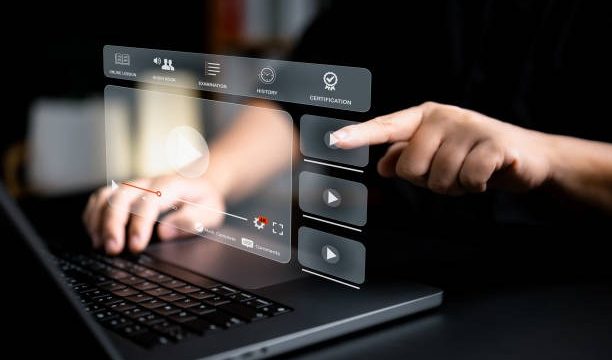
The beauty of digital flashcards lies in their versatility. Unlike traditional flashcards, which can often feel cumbersome and limited to a single medium, digital flashcards can incorporate a variety of elements. Images, audio clips, and even links to additional resources can be seamlessly integrated, creating a more immersive learning experience. This multi-sensory approach can appeal to different learning styles, making it easier for users to connect with the material. Whether you prefer visual aids or auditory cues, digital flashcards can adapt to your unique way of learning.
One of the most attractive features of digital flashcards is their accessibility. With smartphones and tablets becoming ubiquitous, learning has never been more convenient. You can carry an entire library of flashcards in your pocket, ready to be accessed whenever you have a spare moment. This flexibility means that learning can happen anywhere—during a commute, while waiting in line, or even during a break at work. The ability to squeeze in quick review sessions throughout the day can make a significant difference in how much information you retain.
Incorporating digital flashcards into your routine doesn’t have to be overwhelming. Start by identifying a specific area of knowledge you want to focus on. Perhaps you’re learning a new language, brushing up on historical facts, or trying to master a professional skill. Once you have your topic, you can either create your own flashcards or explore existing sets created by others. Many platforms offer pre-made flashcards on a wide range of subjects, allowing you to dive right in without the need to start from scratch.
A small shift toward balance can be found in the way you use these digital tools. Instead of relying solely on flashcards for your learning, consider them as a complement to other methods. You might read a book, watch a documentary, or listen to a podcast on your chosen topic, and then use flashcards to reinforce what you’ve absorbed. This combination can help solidify your understanding and keep your mind engaged. The interplay of different learning styles often leads to deeper knowledge retention, making the process feel less like a chore and more like a journey of discovery.
Another advantage of digital flashcards is the ability to track your progress. Many flashcard apps come with built-in analytics that allow you to see which cards you’ve mastered and which ones still need work. This feature can provide a sense of accomplishment as you see your improvement over time. It can also help you identify areas where you may need to spend a little extra time reviewing, ensuring that you’re focusing your efforts where they matter most.
As you delve into the world of digital flashcards, you might find that the process of creating them can be just as enlightening as the act of reviewing them. Crafting a flashcard requires you to distill information into its most essential elements, encouraging you to think critically about what’s important. This act of synthesis can deepen your understanding of the subject matter and help you identify connections between concepts. In this way, the creation process becomes a valuable learning exercise in itself.
In a society that often prioritizes speed over depth, digital flashcards stand out as a tool that encourages mindfulness in learning. They remind us that knowledge is not just about cramming facts but also about making meaningful connections. Taking a moment to engage with a flashcard allows for reflection and contemplation, turning quick knowledge checks into opportunities for deeper insight.
The community aspect of digital flashcards can also enrich your learning experience. Many platforms offer social features that allow you to share your flashcards with others or collaborate on creating new sets. Engaging with peers who share similar interests can provide motivation and foster a sense of camaraderie. Whether it’s a study group or an online forum, learning together can make the journey more enjoyable and less isolating.
As you explore the world of digital flashcards, remember to be gentle with yourself. Learning is a personal journey, and it’s perfectly normal to encounter challenges along the way. Embrace the process, celebrate your progress, and allow yourself the grace to learn at your own pace. The goal is not perfection but rather growth and understanding.
In conclusion, digital flashcards offer a refreshing approach to knowledge retention that fits seamlessly into our modern lifestyles. With their flexibility, accessibility, and engaging features, they provide a valuable tool for anyone looking to enhance their learning experience. By incorporating digital flashcards into your routine, you can transform quick knowledge checks into meaningful moments of reflection and insight. So, whether you’re preparing for a big exam or simply seeking to expand your horizons, consider giving digital flashcards a try. They may just become your new favorite learning companion.