In our fast-paced world, it’s easy to overlook the importance of community and the connections that bind us.
Yet, when we take a moment to step back, we often find that the fabric of our neighborhoods is woven together by the shared experiences of individuals participating in extracurricular activities.
Whether it’s a local sports team, a book club, or a community garden, these activities play a vital role in strengthening the ties that hold our communities together.
Creating connections through shared passions
Extracurricular activities provide a unique platform for individuals to connect over shared interests. When people come together to pursue a hobby or passion, they not only engage in something they love but also form bonds with others who share that enthusiasm. This sense of camaraderie can be incredibly powerful. For instance, a community theater group may bring together actors, directors, and stagehands from diverse backgrounds, all united by their love for the arts. These connections often extend beyond the stage, leading to lasting friendships and support networks that enrich the community.
Moreover, these activities foster an environment of collaboration and teamwork. In a local soccer league, for example, players learn to work together toward a common goal, developing not only their athletic skills but also their ability to communicate and cooperate with others. This spirit of teamwork can translate into other areas of life, encouraging participants to engage more actively in their community and contribute to its well-being.
Building a sense of belonging
Participating in extracurricular activities can help individuals feel more connected to their community. When people engage in local events or programs, they develop a sense of belonging that can be hard to achieve in today’s busy world. This feeling of belonging is particularly important for newcomers or those who may feel isolated. When individuals find a group to join—whether it’s a knitting circle, a hiking club, or a volunteer organization—they discover a welcoming environment that encourages them to share their stories and experiences.
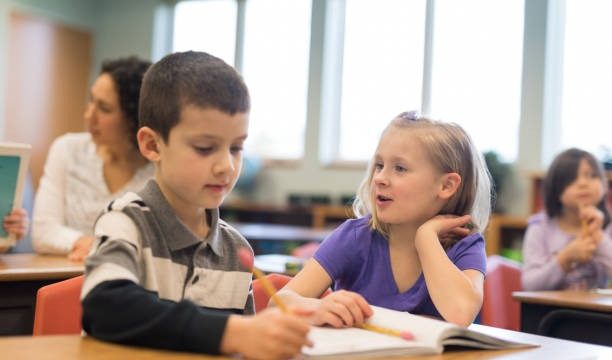
This sense of community is especially crucial for young people. Schools often provide a variety of extracurricular options, from sports to music and drama. These programs allow students to explore their interests while also forming friendships that can last a lifetime. As they engage in these activities, they learn valuable life skills, such as responsibility, time management, and leadership, all of which contribute to their overall development and strengthen the community fabric.
Encouraging diversity and understanding
Extracurricular activities often bring together individuals from different backgrounds, fostering an environment of diversity and understanding. When people from various walks of life come together to pursue a common interest, they have the opportunity to learn from one another. A local art class, for instance, may include individuals of different ages, cultures, and experiences, each contributing their unique perspective. This diversity enriches the experience for everyone involved and encourages open-mindedness and empathy.
Furthermore, these activities can help break down barriers and challenge stereotypes. When individuals engage in shared activities, they often find common ground, dispelling preconceived notions and fostering a sense of unity. This is particularly important in areas where community members may not typically interact, as it promotes a more inclusive atmosphere where everyone feels valued.
Cultivating a spirit of service
Many extracurricular activities are centered around service to the community. Volunteer groups, environmental initiatives, and local charities rely on the dedication of individuals who are passionate about making a difference. When people come together for a common cause, they not only contribute to the betterment of their community but also inspire others to get involved.
This spirit of service can create a ripple effect. When individuals witness the positive impact of their efforts, they often feel motivated to continue giving back. This can lead to a culture of philanthropy and community involvement that strengthens the overall health of the neighborhood. A community that values service fosters a sense of pride and responsibility among its members, encouraging them to look out for one another and support local initiatives.
Enhancing community identity
Extracurricular activities also play a significant role in shaping the identity of a community. Local events, such as fairs, festivals, and sports tournaments, often celebrate the unique characteristics of a neighborhood. These gatherings not only showcase the talents and interests of residents but also provide an opportunity for everyone to come together and celebrate their shared identity.
As people participate in these activities, they become more invested in their community. This investment can lead to increased advocacy for local issues, greater participation in community meetings, and a stronger desire to contribute to the overall well-being of the area. When individuals feel a sense of pride in their community, they are more likely to take action to protect and enhance it.
Nurturing personal growth and well-being
Finally, extracurricular activities contribute to the personal growth and well-being of individuals. Engaging in activities outside of work or school can provide a healthy outlet for stress and promote a balanced lifestyle. Whether it’s through exercise, creativity, or social interaction, these activities allow individuals to recharge and focus on their passions.
As people invest time in their interests, they often discover new talents and develop skills that enhance their self-esteem. This personal growth not only benefits the individual but also positively impacts the community. Confident and fulfilled individuals are more likely to contribute positively to their surroundings, creating a vibrant and thriving neighborhood.
In conclusion, extracurricular activities serve as a vital thread in the tapestry of our communities. They foster connections, build a sense of belonging, and encourage diversity and understanding. Through service and personal growth, these activities enhance the overall well-being of individuals and the community as a whole. By embracing the opportunities that extracurricular activities provide, we can strengthen the bonds that unite us and create a more connected, vibrant world.