In the ever-evolving landscape of education, classroom projects have emerged as powerful tools for enhancing understanding.
These hands-on experiences not only ignite curiosity but also foster collaboration and critical thinking among students.
As educators and learners alike seek to create engaging environments, it’s essential to explore the types of classroom projects that can make a lasting impact on comprehension and retention.
A gentle introduction to experiential learning can transform the way students interact with content. Traditional methods often rely heavily on lectures and rote memorization, which can leave students feeling disconnected from the material. By incorporating projects that encourage exploration and creativity, teachers can create a space where knowledge comes alive. Imagine a science lesson that culminates in building a model of the solar system. Students not only learn facts but also engage with the material in a tactile way, leading to a deeper understanding of celestial bodies and their movements.
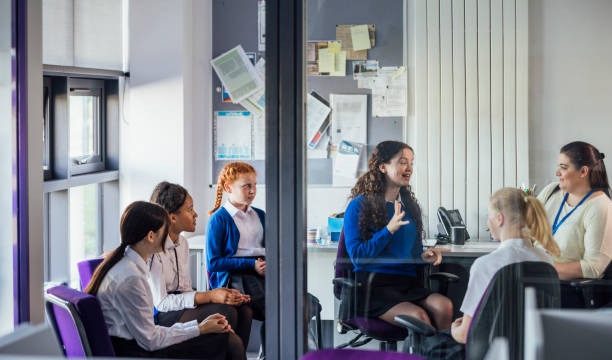
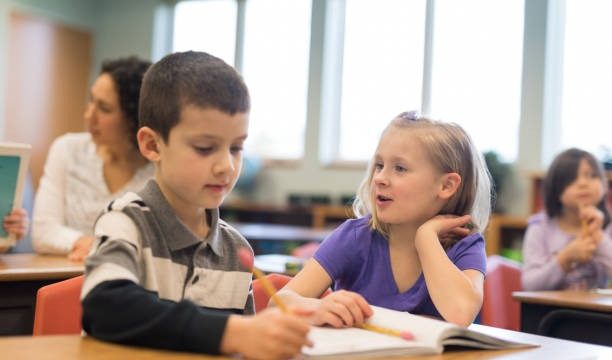
One of the most rewarding aspects of project-based learning is the opportunity for collaboration. When students work together on a project, they not only share ideas but also learn from each other’s perspectives. This social aspect of learning can be particularly beneficial in diverse classrooms, where students bring a wealth of experiences and backgrounds to the table. Group projects that involve problem-solving tasks can encourage dialogue and promote teamwork, skills that are invaluable in today’s interconnected world. For instance, a project focused on environmental sustainability could involve students researching local ecosystems, brainstorming solutions to pollution, and presenting their findings to the class. This not only deepens their understanding of environmental issues but also empowers them to think critically about their role in the community.
As we consider the role of creativity in learning, it becomes clear that projects which allow for artistic expression can significantly enhance comprehension. Integrating art into subjects like history or literature can provide students with a new lens through which to understand complex themes. For example, asking students to create a visual representation of a historical event or character can help them internalize the material in a more meaningful way. A simple art project, such as designing a poster or crafting a diorama, can serve as a powerful tool for reflection and interpretation. This approach not only makes learning enjoyable but also caters to various learning styles, ensuring that every student has the opportunity to shine.
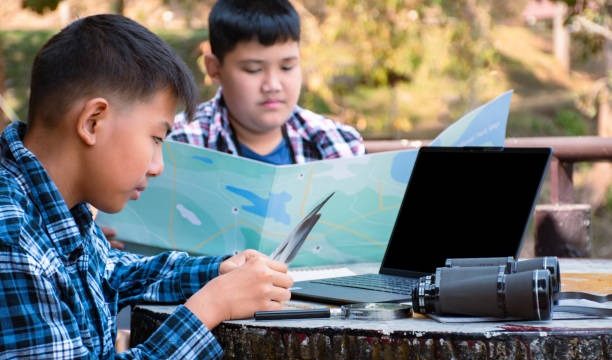
Another enriching avenue for project-based learning is the integration of technology. In our digital age, leveraging technology can elevate projects in ways that were previously unimaginable. Students can create multimedia presentations, engage in virtual field trips, or even develop their own apps to solve real-world problems. This not only enhances their technical skills but also encourages them to think innovatively. For instance, a project on renewable energy could involve students researching different energy sources, creating a digital presentation, and proposing a sustainable energy solution for their school. This hands-on approach not only enriches their understanding of the subject but also equips them with the skills needed for future endeavors.
The importance of reflection in the learning process cannot be overstated. After completing a project, encouraging students to reflect on their experiences can solidify their understanding and foster a growth mindset. Reflection can take many forms, from journaling to group discussions. By allowing students to articulate what they learned, what challenges they faced, and how they overcame them, educators can help them connect the dots between theory and practice. This process not only reinforces knowledge but also builds resilience and adaptability—qualities that are essential in both academic and personal settings.
Incorporating community engagement into classroom projects can further enrich the learning experience. When students see the real-world implications of their work, it can ignite a passion for learning that transcends the classroom walls. Projects that involve local organizations or address community needs can provide students with a sense of purpose and connection. For example, a project focused on local history could involve students interviewing community members, researching historical sites, and presenting their findings to a broader audience. This not only enhances their understanding of history but also fosters a sense of belonging and responsibility toward their community.
As educators, it’s vital to create an environment that encourages exploration and curiosity. Classroom projects can serve as a catalyst for this kind of learning. By embracing a variety of project types, from collaborative group work to artistic endeavors and community engagement, teachers can help students develop a deeper understanding of the material. The joy of learning is often found in the process, and projects that allow for creativity, collaboration, and reflection can make that journey both enjoyable and impactful.
In conclusion, classroom projects that enhance understanding are more than just assignments; they are opportunities for growth, connection, and discovery. By fostering an environment where students can explore their interests and engage with content in meaningful ways, educators can ignite a lifelong love of learning. As we continue to navigate the complexities of education, let us remember the power of hands-on projects to inspire, educate, and transform. Through these experiences, students not only gain knowledge but also develop the skills and confidence they need to thrive in an ever-changing world.