In today’s educational landscape, keeping students engaged can sometimes feel like navigating a maze.
With distractions on every corner, educators are continuously searching for innovative ways to inspire and motivate their students.
One effective approach that has stood the test of time is classroom projects. These hands-on activities not only foster creativity and collaboration but also provide a platform for students to express themselves and connect with their learning in meaningful ways.
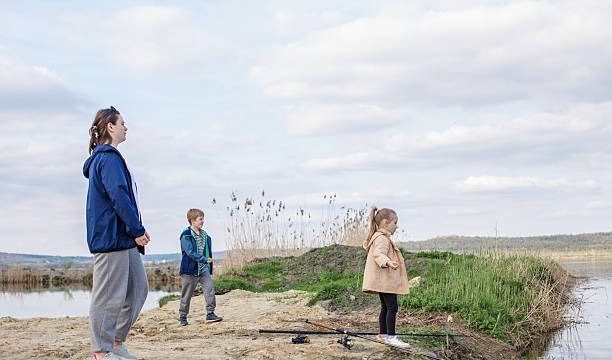
One of the most compelling aspects of classroom projects is their ability to tap into the natural curiosity of students. When children are given the opportunity to explore topics that intrigue them, they are more likely to become deeply invested in their learning journey. A project centered around environmental science, for instance, can ignite a passion for sustainability. Students can engage in activities such as creating a community garden or conducting experiments on water purification. These projects not only enhance their understanding of scientific concepts but also instill a sense of responsibility toward the planet.
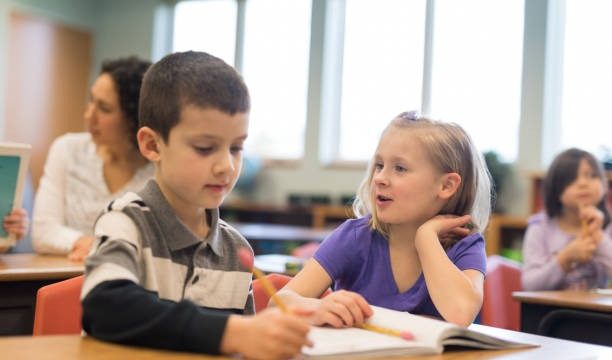
A gentle shift toward collaboration can also transform the classroom environment. Group projects encourage students to work together, fostering essential social skills while also allowing them to learn from one another. Consider a project where students create a short film that addresses a social issue they care about. This not only gives them the chance to express their creative talents but also teaches them the importance of teamwork and communication. Each student brings their unique strengths to the table, and the result is often a richer learning experience for everyone involved.
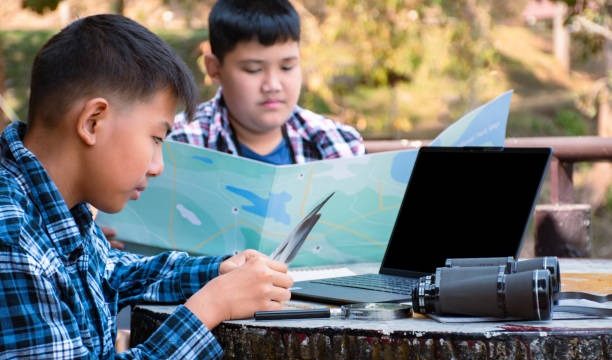
Incorporating technology into classroom projects can further elevate student engagement. In a world where digital skills are increasingly vital, allowing students to use tools like video editing software or coding platforms can be both exciting and educational. For example, a project that involves designing a simple video game can captivate students’ imaginations while enhancing their problem-solving skills. As they navigate the challenges of coding and design, they also learn valuable lessons about persistence and adaptability.
Another powerful element of classroom projects is the opportunity for students to make personal connections to their work. When projects allow for individual expression, students are more likely to feel a sense of ownership over their learning. Art projects, for instance, can serve as a medium for students to explore their identities and share their stories. Whether it’s through painting, sculpture, or digital art, these creative outlets can provide a therapeutic escape and a way to communicate feelings that may be difficult to express verbally.
The concept of service learning is an inspiring way to motivate students while also giving back to the community. Projects that involve volunteering or addressing local needs can instill a sense of purpose in students. For example, organizing a food drive or creating care packages for those in need not only teaches students about empathy and social responsibility but also allows them to see the tangible impact of their efforts. This connection to the community can foster pride and a deeper understanding of the world around them.
As we explore different project ideas, it’s essential to consider the diverse learning styles present in any classroom. Projects that allow for flexibility in how students demonstrate their understanding can cater to various preferences. Some students may thrive in a traditional presentation format, while others might prefer creating a podcast or a visual display. Encouraging students to choose their preferred medium can empower them and enhance their enthusiasm for the project.
Reflection is another vital component of project-based learning that can deepen students’ understanding. Allowing time for students to think about what they learned, what challenges they faced, and how they overcame them can reinforce the lessons gained through the projects. Incorporating reflective journals or group discussions can help students articulate their thoughts and feelings, turning their experiences into valuable insights.
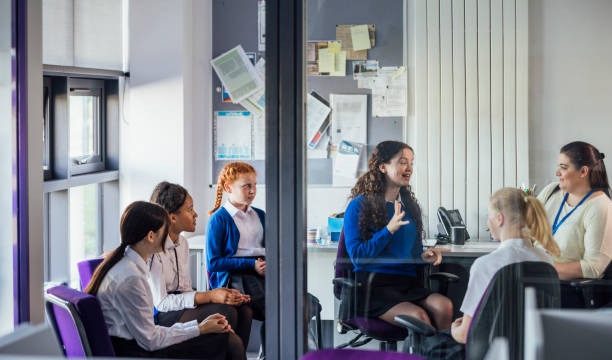
Creating a supportive classroom culture is essential for fostering motivation through projects. Establishing an environment where students feel safe to take risks and express themselves can make all the difference. Encouragement from teachers and peers can inspire students to push their boundaries and explore new ideas. Celebrating small victories along the way can also boost morale and keep the momentum going.
As we consider the impact of classroom projects on student motivation, it’s clear that the benefits extend beyond academic learning. Projects teach life skills that are crucial for success, such as time management, collaboration, and critical thinking. These are the skills that students will carry with them long after they leave the classroom, shaping their futures in profound ways.
In conclusion, classroom projects have the remarkable ability to motivate students by tapping into their interests, fostering collaboration, and encouraging personal expression. By creating a supportive and engaging environment, educators can help students unlock their potential and discover the joy of learning. As we continue to navigate the complexities of education, it’s heartening to know that with a little creativity and compassion, we can inspire the next generation to embrace their passions and make a difference in the world.