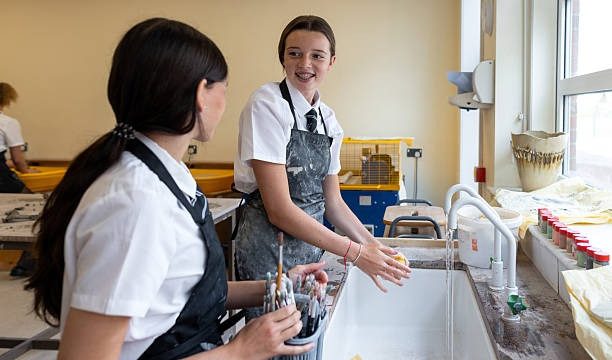
In the ever-evolving landscape of education, fostering curiosity and encouraging exploration has become an essential part of student learning.
More than just absorbing information, students thrive when they engage in projects that spark their imagination and allow them to investigate the world around them.
This kind of experiential learning nurtures critical thinking, creativity, and collaboration, all of which are invaluable skills in today’s society.
The beauty of student projects lies in their ability to blend learning with discovery. When students embark on a project, they step into the role of explorers, uncovering knowledge through hands-on experiences. This approach allows them to connect theoretical concepts with real-world applications, making their learning journey not only more enjoyable but also more meaningful.
Crafting a garden of knowledge
One wonderful project idea is creating a community garden. This initiative encourages students to explore themes of ecology, biology, and sustainability. As they plan and cultivate the garden, they learn about plant life cycles, soil health, and the importance of biodiversity. More than just digging in the dirt, students develop a sense of responsibility and teamwork as they work together to nurture their plants and watch them grow.
The beauty of a community garden project is that it extends beyond the classroom. Students can engage their families and local community members, inviting them to participate in workshops or share gardening tips. This collaboration fosters a sense of belonging and connection, allowing students to witness the impact of their efforts in a broader context. As they harvest their crops, they can even explore topics such as nutrition and food systems, further enriching their learning experience.
Exploring the world through storytelling
Another engaging project involves storytelling, where students can explore their own narratives or those of their culture. This project encourages them to delve into history, literature, and personal experiences, all while honing their creative writing skills. Students can create short stories, poems, or even digital presentations that reflect their unique perspectives.
By inviting students to share their stories, this project promotes empathy and understanding among peers. Listening to each other’s narratives fosters a supportive environment where students can express themselves freely. They learn to appreciate diverse viewpoints, enhancing their social skills and emotional intelligence. This exploration of storytelling not only enriches their writing abilities but also deepens their connection with one another.
A journey through science and innovation
For those with a penchant for science, a project centered around innovation and technology can be particularly inspiring. Students can identify a problem within their community and devise a solution using scientific principles. This could involve building a simple machine, designing a prototype, or even developing an app. The possibilities are endless, limited only by their creativity.
As they navigate this project, students engage in inquiry-based learning. They pose questions, conduct research, and test their ideas, embracing the scientific method. This hands-on experience not only reinforces their understanding of scientific concepts but also instills a sense of perseverance. They learn that failure is often a stepping stone to success, encouraging them to think critically and adapt their approaches.
Connecting with nature through art
Art projects can also serve as a beautiful medium for exploration. Students can create nature-inspired artworks, using materials found in their environment. This project invites them to observe the intricacies of nature, whether it’s the colors of a sunset or the patterns of leaves. By translating these observations into art, students develop their creativity while deepening their appreciation for the natural world.
In addition to enhancing their artistic skills, this project allows for reflection and mindfulness. As students immerse themselves in the process of creating, they experience a sense of calm and focus, reminiscent of a meditative practice. This connection to nature and art fosters a holistic approach to learning, blending emotional well-being with academic growth.
The power of collaboration
Collaboration is another key element of inquiry-based projects. When students work together, they learn from one another, sharing ideas and perspectives that enrich the overall experience. Whether it’s through group research, presentations, or community outreach, collaboration cultivates essential skills such as communication and cooperation.
One powerful example is organizing a local event, such as a science fair or art exhibition. Students can take the lead in planning, coordinating, and promoting the event, allowing them to apply their learning in a practical context. This project not only showcases their hard work but also builds community ties, inviting parents and local residents to celebrate student achievements.
Finding balance in exploration
As students immerse themselves in these projects, it’s essential to encourage a balanced approach. While exploration and inquiry can ignite passion and curiosity, it’s equally important to foster a reflective mindset. Encouraging students to document their learning journeys—through journals or digital portfolios—provides them with an opportunity to pause and consider their experiences.
This reflective practice can help students identify their strengths, areas for growth, and personal interests. It allows them to appreciate the process of learning, rather than solely focusing on the end result. By embracing this balance, students can cultivate a lifelong love for learning, one that extends far beyond their school years.
In conclusion, student projects that encourage exploration and inquiry are invaluable in shaping curious, engaged learners. These initiatives not only enhance academic skills but also foster social and emotional growth. As students embark on their journeys of discovery, they become empowered to ask questions, seek answers, and connect with the world around them. Ultimately, these projects nurture a spirit of exploration that can last a lifetime, guiding them as they navigate their own paths in an ever-changing world.