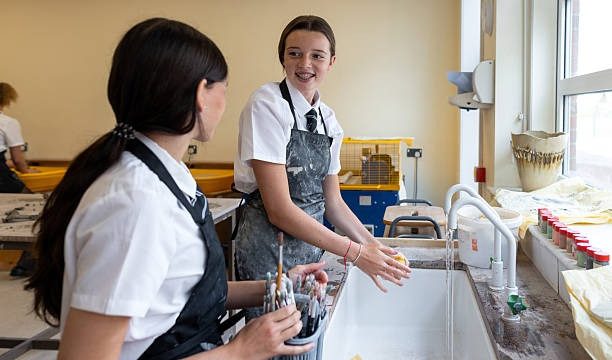
In a world that often prioritizes grades over genuine learning, it’s refreshing to see student projects that encourage thoughtful work.
These projects not only stimulate creativity but also foster a deeper understanding of the subject matter, allowing students to engage with their studies in a meaningful way.
When students are given the opportunity to create, analyze, and reflect, they often discover a renewed sense of purpose and excitement for learning.
One of the most engaging ways to encourage thoughtful work is through community-based projects. When students connect their academic pursuits with real-world issues, they begin to see the relevance of their studies in a broader context. For instance, a group of high school students might partner with a local nonprofit to address food insecurity in their community. By researching the roots of this issue, they can develop a campaign to raise awareness, organize food drives, or even create educational materials to share with their peers. This type of project not only enhances their understanding of social issues but also nurtures empathy and teamwork.
Artistic endeavors also provide a wonderful avenue for thoughtful work. Imagine a classroom where students are encouraged to express their understanding of a historical event through visual arts. Instead of writing a traditional essay, they could create a mural that depicts key moments and figures from that time. This approach allows students to interpret history creatively and personally. It invites them to explore their emotions and perspectives, transforming abstract concepts into tangible expressions. Such projects can foster a sense of ownership and pride in their work while also enhancing their analytical skills.
Another inspiring approach is the integration of technology in student projects. In our increasingly digital world, the ability to navigate and utilize technology is essential. Students can be tasked with creating a podcast or a video documentary on a topic of their choice. This not only encourages research and critical thinking but also enhances their communication skills. As they script, record, and edit their projects, students learn to articulate their thoughts clearly while also considering their audience. This process can be incredibly rewarding, as it allows for creativity and innovation, making learning an active and engaging experience.
Exploring environmental themes through projects can also encourage thoughtful work. Students can engage in hands-on experiences, such as starting a school garden or conducting a waste reduction campaign. These projects can help them understand the importance of sustainability and the impact of their choices on the environment. By participating in such initiatives, students learn not only about ecological principles but also about collaboration and responsibility. They become stewards of their environment, developing a sense of agency in the face of global challenges.
Another gentle yet impactful method of encouraging thoughtful work is through reflective practices. Journaling is a simple yet powerful tool that allows students to process their learning experiences. By keeping a journal, they can reflect on their thoughts, feelings, and insights as they engage with various subjects. This practice not only promotes self-awareness but also enhances critical thinking. Students can look back on their entries to see how their ideas have evolved over time, fostering a deeper connection to their learning journey.
Collaboration with local artists or professionals can also enrich student projects. When students have the opportunity to work alongside individuals who are passionate about their fields, they often feel inspired to delve deeper into their own interests. For example, a writing class might invite a local author to discuss their creative process, leading to a collaborative writing project. This interaction provides students with valuable insights and can ignite a passion for storytelling that extends beyond the classroom.
Experiential learning, such as field trips or internships, can further enhance thoughtful work. When students step outside the confines of their classroom, they experience learning in a dynamic and engaging way. For instance, a visit to a science center or a historical site can spark curiosity and wonder, leading to a project that reflects their newfound knowledge. Internships allow students to apply what they’ve learned in a real-world setting, encouraging them to think critically and adaptively.
Creating a safe and open environment for discussion is essential in cultivating thoughtful work. When students feel comfortable sharing their ideas and perspectives, they are more likely to engage deeply with their projects. Encouraging dialogue and collaboration fosters a sense of community where students can learn from one another. This atmosphere of support and encouragement helps to build confidence and resilience, allowing students to take risks in their learning.
As we explore the various ways student projects can encourage thoughtful work, it’s clear that the emphasis should be on the process rather than just the final product. Fostering a mindset of curiosity, creativity, and collaboration can transform the educational experience. When students are given the freedom to explore their interests and connect their learning to the world around them, they often discover a deeper appreciation for their studies.
Ultimately, the goal of education should be to inspire students to become lifelong learners. Thoughtful projects empower them to take ownership of their learning journey, promoting skills that extend far beyond the classroom. As we encourage these types of initiatives, we nurture not just knowledgeable individuals but compassionate and informed citizens who are equipped to make a positive impact in the world.
In a rapidly changing world, the ability to think critically and work thoughtfully is more important than ever. By embracing projects that foster these qualities, we are paving the way for a brighter future, one student at a time. Through creativity, collaboration, and connection, students can find joy in their learning and discover the profound impact they can have on their communities and beyond.