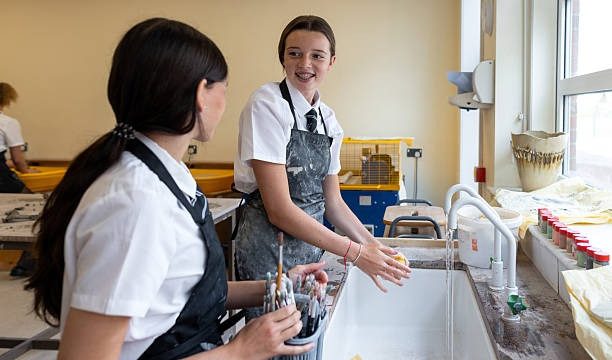
In a world where technology and information are at our fingertips, the importance of hands-on discovery in education often gets overshadowed.
However, it’s through tactile experiences that students truly engage with their learning, sparking creativity, curiosity, and a genuine love for knowledge.
Student projects that encourage this kind of exploration can transform classrooms into vibrant spaces of discovery, making learning not just a task but an adventure.
One delightful example of hands-on discovery is the creation of a school garden. Imagine students digging their hands into the soil, planting seeds, and nurturing them as they grow. This project offers a multitude of learning opportunities. Students can delve into biology by studying plant life cycles, understand the importance of ecosystems, and even explore the concept of sustainability. Gardening teaches patience and responsibility, as students must care for their plants day after day. The joy of harvesting vegetables or flowers they’ve nurtured themselves can instill a sense of accomplishment and connection to nature that textbooks simply cannot replicate.
In addition to gardening, creating a makerspace within a school can be an inviting way for students to engage in hands-on projects. A makerspace is a collaborative workspace where students can use tools, materials, and technology to create and innovate. Whether they’re building simple machines, crafting art projects, or even coding their own games, the possibilities are endless. This environment encourages experimentation and problem-solving, allowing students to learn from their mistakes in a supportive setting. The thrill of bringing an idea to life fosters confidence and inspires students to keep exploring their interests.
Another project that promotes hands-on discovery is the development of a community service initiative. Students can work together to identify a need in their local area, whether it’s organizing a food drive, cleaning up a park, or creating care packages for those in need. This type of project not only teaches valuable organizational and leadership skills but also instills a sense of empathy and social responsibility. Engaging with the community allows students to see the impact of their efforts firsthand, making the experience deeply meaningful and rewarding.
The world of science offers numerous opportunities for hands-on discovery as well. Conducting experiments is a classic way to engage students in scientific inquiry. From simple chemistry experiments that create colorful reactions to physics projects that explore the principles of motion, these activities can ignite a passion for science. For instance, students might design their own experiments to test the effects of different variables on plant growth or create a model volcano to understand geological processes. The excitement of seeing theories come to life fosters a deeper understanding of scientific concepts and encourages students to ask questions and seek answers.
Art projects can also play a significant role in hands-on discovery. By encouraging students to express themselves through various mediums—be it painting, sculpture, or digital art—educators can help them explore their creativity while developing critical thinking skills. Art projects can be tied to history or literature, allowing students to connect with different cultures and eras in a tactile way. For example, students might create a mural that represents their community’s history or design costumes for a play based on a classic novel. These projects not only enhance artistic skills but also promote collaboration and communication among peers.
Incorporating technology into hands-on projects can further enhance the learning experience. Robotics clubs, for example, provide students with the opportunity to design and build their own robots. This kind of project combines engineering, programming, and teamwork, resulting in a multifaceted learning experience. As students work through challenges and troubleshoot issues, they develop resilience and critical problem-solving skills. The excitement of seeing their robot perform tasks or compete in challenges can be incredibly rewarding, making the learning process feel dynamic and engaging.
Exploring the world of culinary arts is another delightful avenue for hands-on discovery. Cooking projects can teach students about nutrition, science, and cultural diversity. By preparing dishes from different countries, students can gain insights into global traditions while honing their culinary skills. This kind of experiential learning not only fosters a love for cooking but also encourages collaboration and communication as students work together in the kitchen. The shared experience of enjoying a meal they’ve prepared can create lasting memories and a sense of community.
As students engage in these hands-on projects, it’s important to foster an environment of reflection. Encouraging them to share their experiences and what they’ve learned can deepen their understanding and reinforce the skills they’ve developed. Reflection can take many forms, from journaling about their experiences to presenting their projects to classmates or even the community. This practice not only helps students articulate their thoughts but also allows them to appreciate the journey of discovery they’ve undertaken.
Ultimately, student projects that promote hands-on discovery are about more than just academic learning; they are about nurturing well-rounded individuals who are curious, compassionate, and confident in their abilities. These projects create a bridge between theoretical knowledge and real-world application, allowing students to see the relevance of what they learn in the classroom. By engaging in meaningful, tactile experiences, students can cultivate a lifelong love for learning, transforming their educational journey into a vibrant tapestry of exploration and growth.
In a rapidly changing world, the importance of fostering creativity and critical thinking in our students cannot be overstated. Through hands-on discovery, we equip them with the skills they need to navigate life’s challenges, encouraging them to explore, innovate, and make a positive impact on their communities. As educators, parents, and mentors, let’s continue to champion these enriching experiences, ensuring that the joy of discovery remains a central part of every student’s journey.