In today’s fast-paced and ever-evolving world, fostering critical thinking skills in students is more important than ever.
As we navigate through an abundance of information and varying perspectives, the ability to analyze, evaluate, and synthesize ideas can empower young minds to make informed decisions and solve complex problems.
Engaging in student projects that encourage critical thinking can be a fulfilling journey, not just for learners, but for educators and parents alike.
One of the most effective ways to cultivate critical thinking is through project-based learning. This approach allows students to immerse themselves in real-world issues, encouraging them to ask questions, seek solutions, and reflect on their experiences. Whether in a classroom or at home, the right projects can ignite curiosity and foster a love for learning.
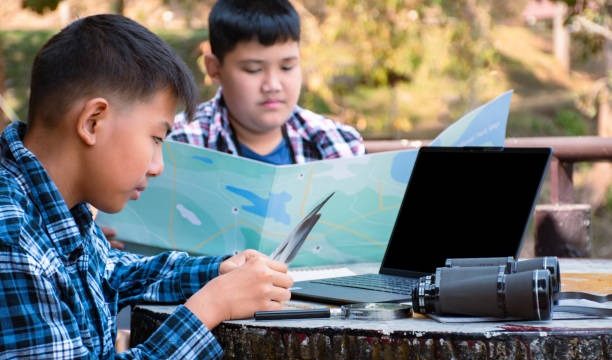
Exploring the world through research projects can be a wonderful starting point. Students can choose topics that resonate with their interests, whether it’s environmental sustainability, social justice, or technological advancements. By diving deep into research, they learn to sift through information, discern credible sources, and form their own opinions. This process not only enhances their understanding of the subject matter but also empowers them to articulate their thoughts effectively.
A natural progression from research is to present findings in a creative format. Students might create a multimedia presentation, a documentary, or even a blog. This shift from simply gathering information to sharing insights encourages them to think critically about their audience and the best ways to communicate their message. They learn to anticipate questions, address counterarguments, and present their ideas with clarity. These skills are invaluable, extending well beyond the classroom.
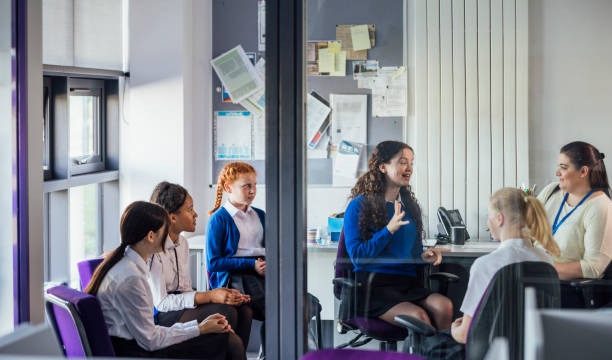
Engaging in collaborative projects can also significantly enhance critical thinking. Working with peers on a shared goal fosters an environment where students must communicate effectively, share ideas, and negotiate solutions. They learn to appreciate diverse perspectives, which is essential in developing empathy and understanding. For example, a group project focused on community service can challenge students to identify local needs, brainstorm solutions, and implement their plans. The collaborative nature of such projects requires them to think critically about logistics, resources, and potential challenges.
Another enriching avenue is the incorporation of design thinking into student projects. This methodology encourages students to identify problems, brainstorm solutions, prototype their ideas, and test them in real-world scenarios. For instance, a project aimed at improving school facilities could lead students through a thoughtful process of observation, idea generation, and iterative testing. This hands-on experience nurtures not only critical thinking but also creativity and resilience, as students learn to embrace failure as a step toward success.
Artistic projects can also play a significant role in developing critical thinking skills. Whether through visual arts, music, or drama, creative expression invites students to explore complex themes and emotions. For example, creating a short play about a historical event encourages students to research the context, understand various viewpoints, and convey their interpretations through performance. This not only deepens their understanding of history but also fosters critical analysis of character motivations and societal implications.
As students engage in these projects, incorporating reflection is key. Encouraging them to journal their thoughts, discuss their experiences, or present their learnings to others can reinforce their critical thinking process. Reflection helps solidify what they’ve learned and allows them to consider how their insights might apply in different contexts. This practice cultivates a habit of lifelong learning, where questioning and exploration remain central to their educational journey.
In our increasingly digital age, integrating technology into student projects can further enhance critical thinking skills. For instance, students might design a website or create a podcast on a topic of their choice. This not only demands research and creativity but also requires them to think critically about user experience, content organization, and engagement strategies. Navigating the digital landscape enables them to understand the nuances of information dissemination and encourages responsible digital citizenship.
Involving students in community-based projects can also be a powerful way to strengthen critical thinking. By engaging with local organizations or participating in community improvement initiatives, students can identify real-world problems and collaborate with others to find solutions. This hands-on experience fosters a sense of agency, as they see the impact of their contributions. It also challenges them to think critically about social issues, equity, and the role they can play in fostering positive change.
As educators and parents, supporting students in these endeavors is essential. Encouragement and guidance can help them navigate challenges and celebrate their successes. Providing a safe space for exploration and questioning nurtures their confidence and willingness to engage in critical thinking. By fostering a culture of curiosity and inquiry, we prepare students not just for academic success, but for meaningful lives as engaged citizens.
Ultimately, student projects that strengthen critical thinking skills offer a myriad of benefits. They encourage curiosity, creativity, and collaboration, while also providing tools for navigating the complexities of the modern world. As students embark on these journeys, they not only enhance their understanding of various subjects but also develop the critical thinking skills that will serve them throughout their lives.
In embracing the beauty of learning through projects, we create opportunities for students to grow into thoughtful, informed individuals who can navigate the challenges of tomorrow. As they explore, create, and reflect, they build a foundation for lifelong critical thinking, empowering them to contribute positively to society. In this way, education becomes not just a path to knowledge, but a vibrant journey of discovery and personal growth.