In today’s educational landscape, the need for a holistic approach to learning is more important than ever.
Students thrive when they can see connections between different subjects, allowing them to engage more deeply with the material.
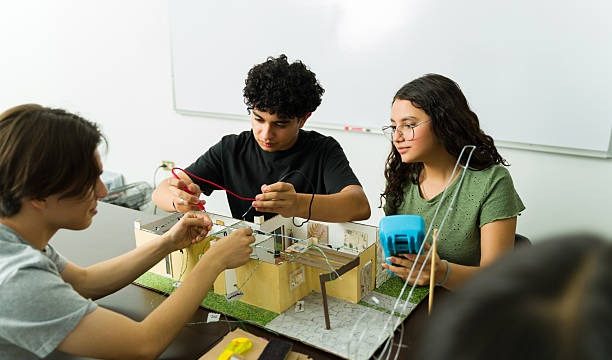
Classroom activities that bridge the gap between subjects not only enhance comprehension but also spark creativity and foster collaboration among students. Here, we explore some engaging activities that harmonize various disciplines, creating a richer learning experience.
A gentle integration of art and science can yield fascinating results. Consider a project where students create a nature journal. This activity invites them to explore the outdoors, observe plants, insects, and weather patterns, and document their findings through sketches and written descriptions. As they engage with the environment, they are practicing scientific observation while simultaneously expressing their artistic side. This blend cultivates a sense of wonder about the natural world and helps reinforce concepts in biology and ecology, making the learning process both enjoyable and meaningful.
Another wonderful way to connect subjects is through storytelling. Language arts and history can come together beautifully when students are tasked with creating a historical narrative. They can choose a significant event or figure and write a short story from that perspective. This exercise not only enhances their writing skills but also encourages research and critical thinking. By putting themselves in the shoes of a historical character, students develop empathy and a deeper understanding of the past. This approach transforms dry facts into engaging tales that resonate on a personal level.
Mathematics and physical education might seem worlds apart, but they can intersect in delightful ways. Imagine a sports day where students are not just competing but also calculating their scores, measuring distances, and analyzing their performance statistics. Activities like relay races or obstacle courses can incorporate math challenges, such as timing each participant’s run or determining the average speed of a team. This playful integration reinforces mathematical concepts while promoting teamwork and physical fitness. Students learn to appreciate math as a practical tool that extends beyond the classroom, making it a vital part of their everyday lives.
Exploring the culinary arts can also serve as a beautiful fusion of subjects. When students cook, they engage with math through measurements, science through chemical reactions, and even history through the exploration of cultural dishes. A cooking project can be themed around a specific culture or historical period, allowing students to research traditional recipes and the stories behind them. As they chop, mix, and bake, they’re not just preparing a meal; they’re experiencing a rich tapestry of knowledge that spans multiple disciplines. This tactile approach to learning is both satisfying and enriching, making abstract concepts more tangible.
A small shift toward balance can also be achieved through environmental studies. Encourage students to work on a sustainability project that encompasses science, social studies, and even art. For instance, they could design an eco-friendly garden, researching which plants are native to their area and how they can contribute to local ecosystems. Students can create posters or presentations to share their findings with the class, merging their scientific research with creative expression. This multifaceted approach not only teaches them about environmental stewardship but also instills a sense of responsibility towards the planet.
Technology has become an integral part of education, and integrating it thoughtfully can enhance learning experiences. Students can engage in multimedia projects that combine research, writing, and digital skills. For example, they could create a short documentary on a historical event, utilizing video editing software to weave together interviews, images, and narration. This project not only hones their technical abilities but also encourages collaboration as they work in teams to brainstorm ideas, assign roles, and produce a cohesive final product. By merging technology with traditional subjects, students gain valuable skills that prepare them for the demands of the modern world.
Promoting social-emotional learning is another critical aspect of education that can be intertwined with various subjects. Activities that foster teamwork, communication, and empathy can enhance students’ interpersonal skills while reinforcing academic concepts. For instance, group discussions or debates on ethical dilemmas can incorporate elements of history, science, and language arts. By examining different viewpoints and learning to articulate their thoughts respectfully, students cultivate a sense of community and develop important life skills.
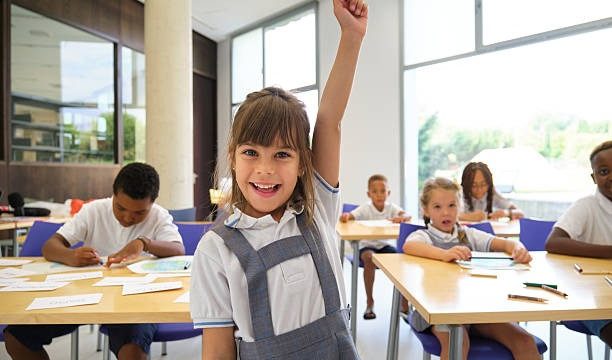
As we look toward the future, it’s essential to keep the joy of learning alive in our classrooms. Activities that bring subjects together not only make lessons more dynamic but also reflect the interconnectedness of knowledge in the real world. When students see how different disciplines relate to one another, they are more likely to engage with the material and retain what they learn.
Ultimately, the goal of education is to nurture curious, well-rounded individuals who can navigate the complexities of life. By fostering a learning environment where subjects intertwine naturally, we encourage students to think critically, collaborate effectively, and appreciate the beauty of knowledge. As educators and caregivers, let’s continue to explore innovative ways to blend disciplines, creating a vibrant tapestry of learning experiences that inspire and empower the next generation.