In today’s fast-paced world, effective communication skills are more important than ever.
For students, the ability to express themselves confidently can make a significant difference in academic performance and social interactions.
As educators and parents, fostering these skills through engaging classroom activities is essential. Here are some thoughtful approaches to help develop confidence in communication among students.
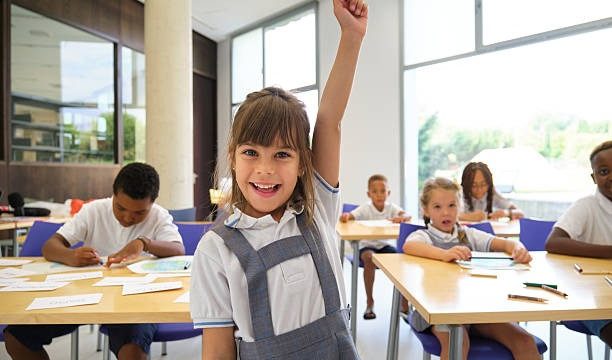
Creating a supportive environment is the first step toward nurturing confident communicators. When students feel safe and supported, they are more likely to express themselves openly. Encouraging a culture of respect and kindness in the classroom sets the stage for meaningful interactions. Teachers can start by establishing ground rules that promote active listening, empathy, and constructive feedback. These foundational elements create a space where students feel valued and understood, allowing their voices to flourish.
One effective way to boost communication skills is through storytelling. Storytelling is not only an age-old tradition but also a powerful tool for self-expression. Students can be invited to share personal stories or create fictional narratives. This activity can be enhanced by encouraging them to use props or visual aids, which can help ease nerves and make the experience more engaging. By sharing their stories, students learn to articulate their thoughts and emotions while also practicing active listening as their peers share theirs.
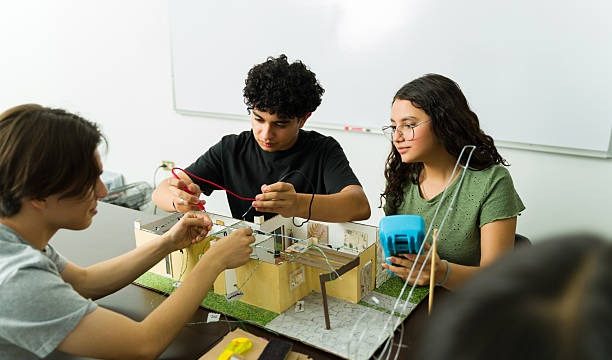
Another enriching activity is group discussions, which can vary in format depending on the topic at hand. Small group discussions allow students to express their opinions in a more intimate setting, making it easier for them to speak up. Teachers can introduce thought-provoking questions or current events as conversation starters. By rotating roles—such as facilitator, note-taker, and speaker—students gain experience in different aspects of communication. This not only builds their confidence but also enhances their ability to navigate group dynamics.
Role-playing can also be a delightful way to enhance communication skills. Whether it’s simulating a job interview, a customer service scenario, or even a historical event, role-playing allows students to step into different shoes and practice articulating their thoughts in various contexts. This immersive experience encourages them to think on their feet, adapt their communication style, and develop a greater understanding of different perspectives. The playful nature of role-playing often alleviates the pressure associated with public speaking, allowing students to express themselves more freely.
Incorporating technology in the classroom can also be a game-changer. Students often feel more comfortable communicating through digital platforms. Engaging them in creating podcasts or video presentations can help bridge the gap between traditional speaking exercises and modern communication methods. These projects not only enhance their technical skills but also empower them to share their ideas in innovative ways. As they receive feedback from their peers, students learn to refine their messages and build confidence in their abilities.
A gentle approach to public speaking is to hold “show and tell” sessions, where students share something meaningful to them. This can range from a favorite book to a cherished family heirloom. By focusing on items that resonate personally, students are naturally more inclined to speak with passion and authenticity. These sessions foster a sense of community as students learn about one another, promoting a deeper connection that encourages further communication.
Encouraging creative expression can also play a significant role in developing communication skills. Activities such as poetry slams, drama performances, or even art presentations allow students to convey their thoughts and feelings in diverse ways. The emphasis on creativity helps to alleviate the fear of judgment, as students focus on the joy of expression rather than perfection. This shift in mindset is crucial in building confidence, as it allows students to embrace their individuality and share their unique voices.
Feedback is an essential part of the communication process, and teaching students how to give and receive constructive feedback can enhance their confidence. After presentations or discussions, students can engage in peer evaluations, where they practice articulating what they appreciated about their classmates’ contributions. This not only helps them develop critical thinking skills but also fosters a sense of community and support. Learning to accept feedback graciously helps students grow and improves their communication abilities over time.
Moreover, integrating mindfulness practices into the classroom can create a calming atmosphere conducive to communication. Simple breathing exercises or short meditative moments can help students center themselves before speaking. By reducing anxiety and promoting focus, students may find it easier to articulate their thoughts clearly. Encouraging mindful communication—being present and engaged while speaking and listening—can significantly enhance the quality of interactions among students.
As students develop their communication skills, it’s essential to celebrate their progress. Recognizing individual achievements, no matter how small, can instill a sense of pride and motivate further growth. Whether it’s through verbal praise, certificates, or showcasing their work, acknowledging their efforts reinforces the value of effective communication.
In conclusion, fostering confidence in communication among students is a journey that requires patience, creativity, and support. Through storytelling, group discussions, role-playing, technology integration, and creative expression, educators can create a nurturing environment that empowers students to find their voices. By celebrating their progress and encouraging mindfulness, we help them build a solid foundation for effective communication that will serve them well throughout their lives. As they grow in confidence, they not only become better communicators but also more compassionate and engaged individuals, ready to contribute to the world around them.