In the ever-evolving landscape of education, the importance of practical skills cannot be overstated.
While traditional academic subjects lay the foundation for knowledge, it is often the hands-on experiences that truly shape a student’s ability to navigate the world.
Classroom activities that foster practical skills not only enrich learning but also prepare students for real-life challenges.
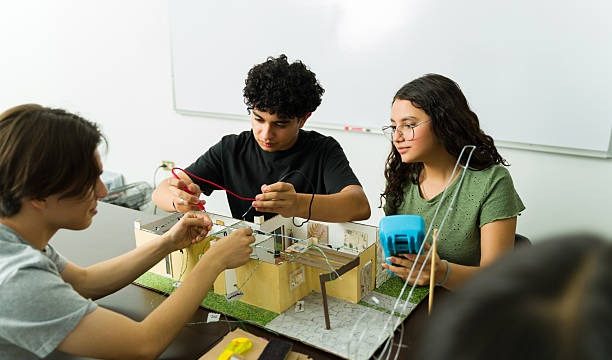
Creating a nurturing environment where practical skills can flourish is essential. Engaging students in activities that mimic real-world scenarios encourages critical thinking, collaboration, and creativity. These activities can range from simple projects to more complex tasks, all designed to enhance the students’ abilities and confidence.
One effective approach to developing practical skills is through collaborative projects. When students work together on a common goal, they learn to communicate effectively, share ideas, and resolve conflicts amicably. For instance, organizing a classroom garden can be a wonderful way to teach responsibility and teamwork. Each student can take on a specific role, whether it’s planting seeds, watering plants, or keeping track of growth. This not only instills a sense of ownership but also teaches them about the life cycle of plants and the importance of sustainability.
Another enriching classroom activity is cooking. Preparing a simple recipe can be an engaging way to teach math, science, and even history. As students measure ingredients, they practice their math skills. Discussing the chemical reactions that occur during cooking introduces scientific concepts in an enjoyable manner. Additionally, exploring the cultural significance of various dishes can spark interest in history and geography. Cooking together fosters teamwork and encourages students to share their own family recipes, creating a rich tapestry of cultural exchange within the classroom.
Incorporating technology into classroom activities can also significantly enhance practical skills. Projects that involve coding or creating digital presentations not only familiarize students with essential technical skills but also ignite their creativity. For example, students can work on a group project where they design a simple website or create a video presentation on a topic of their choice. This not only develops their digital literacy but also encourages them to think critically about how to present information effectively.
Experiential learning is another powerful method for skill development. Field trips or guest speakers can provide students with insights into various professions, helping them understand the practical application of what they learn in school. For instance, inviting a local entrepreneur to speak about their journey can inspire students to think about their own futures. Alternatively, a field trip to a local business can give students a firsthand look at how different skills come together in a real-world setting. These experiences can ignite passions and encourage students to envision their own career paths.
Artistic activities also play a crucial role in developing practical skills. Engaging in creative projects, whether it be painting, crafting, or drama, allows students to express themselves while honing their problem-solving abilities. For example, putting on a small play requires students to collaborate on scriptwriting, set design, and performance. This not only enhances their creative skills but also teaches them about planning, organization, and working towards a common goal.
Encouraging students to take on leadership roles within these activities can foster a sense of responsibility and self-confidence. By assigning roles such as team leader or project manager, students learn to navigate the challenges of leadership while developing essential organizational skills. This experience can be incredibly beneficial as they transition into adulthood, where such skills are often required in both professional and personal settings.
A small shift toward balance is often all it takes to enhance the learning experience. Incorporating mindfulness practices into the classroom can help students develop emotional intelligence and resilience, essential skills for managing stress and navigating relationships. Simple activities like guided meditation or reflective journaling can create a calm atmosphere, allowing students to connect with their thoughts and emotions more effectively. This not only contributes to their overall well-being but also prepares them to face challenges with a balanced perspective.
Integrating service learning into the curriculum provides another avenue for developing practical skills while fostering a sense of community. When students engage in projects that benefit others, they learn empathy and the importance of giving back. Whether it’s organizing a food drive or volunteering at a local shelter, these experiences teach students valuable life lessons and encourage them to think beyond themselves. This not only enhances their social skills but also instills a strong sense of civic responsibility.
As educators and caregivers, it is crucial to create a supportive environment where students feel encouraged to explore and experiment. Celebrating their successes, no matter how small, reinforces their efforts and motivates them to take on new challenges. Acknowledging their progress fosters a growth mindset, which is essential for lifelong learning.
In conclusion, the classroom can be a vibrant space for developing practical skills that extend far beyond academics. By incorporating a variety of engaging activities—whether through collaboration, cooking, technology integration, experiential learning, artistic expression, or service—students can cultivate essential life skills in a supportive environment. These experiences not only enrich their education but also prepare them for the complexities of the world outside the classroom. As we guide students on their journey, let us embrace the transformative power of practical skills, nurturing their growth and inspiring them to thrive in all aspects of life.