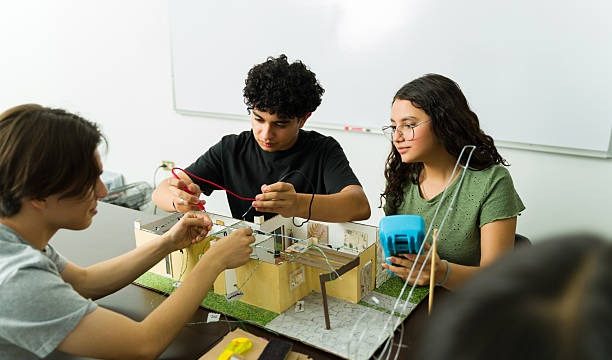
In recent years, the educational landscape has shifted towards more dynamic and engaging teaching methods.
One of the most effective approaches that has gained traction is inquiry-based learning.
This method encourages students to explore, ask questions, and develop critical thinking skills through hands-on experiences.
By transforming the classroom into a space where curiosity reigns supreme, educators can cultivate a love for learning that lasts a lifetime. Here, we explore some classroom activities that foster inquiry-based learning, inviting students to embark on their own journeys of discovery.
Creating a culture of inquiry begins with an environment that values questions. A simple yet powerful way to encourage this is through a “wonder wall.” In this space, students can post questions or topics they are curious about, using sticky notes or index cards. This wall becomes a living document of their interests and can spark discussions and projects throughout the year. By allowing students to contribute their inquiries, teachers empower them to take ownership of their learning. This collective curiosity can lead to fascinating explorations that might not have otherwise emerged from a traditional curriculum.
Another engaging activity is the use of hands-on experiments. Whether in science, math, or even the arts, involving students in experiments allows them to hypothesize, test, and draw conclusions based on their observations. For instance, a simple science experiment, such as growing plants under different light conditions, can ignite discussions about photosynthesis, the needs of living organisms, and environmental science. As students gather data and analyze their findings, they learn not just about the subject matter but also about the scientific method itself. This experiential learning reinforces their understanding and encourages them to ask further questions about their observations.
Field trips present another wonderful opportunity to promote inquiry-based learning. Visiting museums, nature reserves, or local businesses can provide real-world contexts for classroom discussions. Before a trip, teachers can encourage students to formulate questions they hope to answer during the visit. After returning, students can share their findings, reflecting on how their experiences relate to their initial inquiries. Such activities not only enrich students’ knowledge but also help them develop important skills in observation, communication, and collaboration.
Incorporating technology can also enhance inquiry-based learning. Online resources, educational apps, and virtual simulations can provide students with interactive platforms to explore concepts. For example, students could use a simulation to understand ecosystems, allowing them to manipulate variables and observe outcomes in a safe environment. This digital exploration encourages students to engage with material in innovative ways, making learning feel more relevant and exciting.
A gentle shift toward project-based learning can also complement inquiry-based methods. By working on long-term projects that require research, collaboration, and creativity, students can dive deeply into topics of interest. For instance, a project on renewable energy could involve researching different sources, creating prototypes, and even presenting their findings to the class. This type of learning not only nurtures inquiry but also helps students develop essential skills such as problem-solving, teamwork, and public speaking.
Incorporating art into inquiry-based learning can further enhance student engagement. Art projects allow students to express their understanding of a topic creatively. For example, after studying a historical event, students could create a visual timeline or a multimedia presentation. This integration of the arts invites students to think critically about the content and express their insights in diverse ways. It fosters an atmosphere where multiple intelligences are recognized and valued, encouraging every student to shine.
Another enriching activity is the use of role-playing or simulations. By stepping into different roles, students can explore complex social issues, historical events, or scientific concepts from various perspectives. For example, a simulation of a town hall meeting could help students understand civic responsibility and the democratic process. This approach not only enhances empathy but also encourages students to ask questions about the motivations and beliefs of others, deepening their understanding of the world around them.
Encouraging peer teaching is another effective strategy to promote inquiry-based learning. When students take on the role of teacher, they must engage deeply with the material to convey their understanding to others. This method not only reinforces their knowledge but also allows them to practice communication and leadership skills. Creating opportunities for students to share their expertise with classmates can transform the classroom into a vibrant community of learners, where each contribution is valued and appreciated.
Finally, fostering a reflective practice is essential for nurturing inquiry-based learning. After completing projects or activities, providing time for students to reflect on their experiences can deepen their understanding. Simple prompts such as “What did I learn?” or “What questions do I still have?” can guide their reflections. This practice encourages students to think critically about their learning journeys, helping them to recognize their growth and consider future areas of inquiry.
As we explore the myriad ways to encourage inquiry-based learning, it becomes clear that the heart of education lies in curiosity and exploration. By creating a classroom environment that values questions, embraces hands-on experiences, and fosters creativity, educators can inspire students to become lifelong learners. In this nurturing space, students are not just passive recipients of knowledge; they are active participants in their educational journeys, eager to explore the world around them. Through these activities, we can cultivate a generation of inquisitive minds, ready to tackle the challenges of tomorrow with confidence and creativity.