In the ever-evolving landscape of education, classrooms are becoming vibrant spaces where challenges are not just obstacles but opportunities for growth.
As students navigate their academic journeys, they inevitably encounter hurdles that can feel overwhelming.
Yet, the right classroom activities can transform these challenges into stepping stones for resilience and understanding.
Creating a nurturing environment where students can express their struggles, seek support, and develop problem-solving skills is essential. Here are some thoughtful activities that can help students work through their challenges while fostering a sense of community and collaboration.
Engaging in group discussions can be a powerful way to help students articulate their concerns and learn from one another. When students come together in a safe space to share their thoughts, they often discover that they are not alone in their experiences. These discussions can revolve around specific topics, such as stress management during exam periods or strategies for tackling difficult subjects. By guiding students to listen actively and empathize with their peers, educators can cultivate an atmosphere of support and understanding.
Another effective approach is incorporating role-playing exercises into the classroom. This activity allows students to step into different perspectives and explore various scenarios. For instance, when students role-play situations where they face academic pressure or social challenges, they can practice problem-solving and develop empathy. This experiential learning not only helps students understand their feelings better but also equips them with practical tools to navigate real-life challenges.
Artistic expression can also be a wonderful avenue for students to process their emotions. Activities such as drawing, painting, or crafting can provide a therapeutic outlet for students who may struggle to articulate their feelings verbally. For example, creating a mural that represents their collective experiences can foster a sense of unity while allowing each student to contribute their unique perspective. This creative process encourages self-reflection and can lead to meaningful conversations about the challenges they face.
Incorporating mindfulness practices into the classroom is another gentle yet effective way to help students manage stress and anxiety. Simple breathing exercises or guided meditation sessions can encourage students to pause, reflect, and center themselves amidst the chaos of academic life. These moments of calm can help students gain clarity and resilience, empowering them to tackle challenges with a more focused mindset.
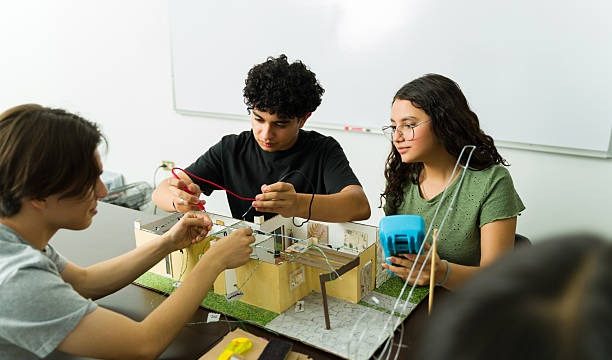
Encouraging collaborative projects can also serve as a valuable tool for overcoming obstacles. When students work together toward a common goal, they learn to communicate effectively, share responsibilities, and support one another. For instance, group projects that require students to research a topic and present their findings can help them develop critical thinking skills while fostering teamwork. This collaborative spirit can make daunting tasks feel more manageable and enjoyable.
As students face various obstacles, fostering a growth mindset is essential. Activities that promote this mindset can help students view challenges as opportunities for learning rather than insurmountable barriers. For example, educators can share stories of famous individuals who overcame adversity, inspiring students to embrace their own struggles. Classroom discussions about the importance of perseverance and resilience can help students cultivate a positive outlook, encouraging them to push through difficulties with confidence.
In addition to these engaging activities, creating a supportive classroom culture is paramount. Establishing routines that prioritize open communication and mutual respect can empower students to share their challenges without fear of judgment. Regular check-ins, where students can express their feelings or discuss any difficulties they are facing, can help build trust and strengthen relationships within the classroom community.
Furthermore, incorporating reflective practices can deepen students’ understanding of their challenges. Journaling can be a simple yet profound way for students to process their thoughts and feelings. By encouraging students to write about their experiences, educators can help them gain insight into their emotions and identify patterns that may contribute to their struggles. Reflective writing can also serve as a valuable tool for tracking personal growth over time.
Another gentle approach is to introduce problem-solving workshops that equip students with practical skills. These workshops can focus on specific challenges, such as time management, study techniques, or dealing with peer pressure. By providing students with the tools they need to navigate their difficulties, educators empower them to take charge of their learning journey.
Creating a classroom environment that celebrates effort and progress, rather than solely focusing on outcomes, can also play a significant role in helping students work through challenges. Recognizing small victories, whether it’s mastering a difficult concept or showing improvement in a particular area, can boost students’ confidence and motivation. This emphasis on growth can shift the narrative from fear of failure to a celebration of persistence and learning.
Finally, fostering connections with the broader community can provide additional support for students facing challenges. Inviting guest speakers or organizing field trips that expose students to diverse experiences can inspire them and broaden their perspectives. These connections can help students see their challenges in a new light, reinforcing the idea that they are not alone in their struggles.
In conclusion, the journey through challenges is an integral part of the educational experience. By incorporating thoughtful activities that encourage collaboration, self-expression, and reflection, educators can create classrooms that empower students to navigate their difficulties with grace and resilience. Each challenge faced becomes a catalyst for growth, reminding students that they possess the strength and support needed to overcome obstacles and thrive. With a nurturing environment and a community that believes in them, students can transform their challenges into opportunities for learning and personal development.