In today’s fast-paced world, the art of conversation can sometimes feel like a lost skill, especially in a classroom setting.
Yet, fostering meaningful dialogues among students is essential for their social and emotional development.
Engaging in thoughtful conversations not only enhances learning but also builds a sense of community and understanding. Here are some gentle yet effective classroom activities designed to inspire better conversations among students, creating an environment where everyone feels heard and valued.
A small shift toward connection
One of the simplest ways to encourage conversation is by introducing a “talking circle.” This activity creates a safe space where students can express their thoughts and feelings. In a talking circle, students sit in a circle and take turns sharing their ideas on a specific topic. To add a touch of warmth, you can pass around a small object, like a talking stick or a soft ball. The student holding the object has the floor to speak, while others listen attentively. This practice not only promotes respect but also teaches students the importance of listening as a vital part of communication.
Exploring perspectives through storytelling
Storytelling is a powerful tool for inspiring conversations. By sharing personal stories, students can connect on a deeper level. You might encourage students to bring in a favorite book or share a story from their own lives that relates to a particular theme or lesson. After sharing, facilitate a discussion where students can reflect on their feelings and thoughts about the stories. This activity not only nurtures empathy but also allows students to appreciate diverse perspectives, fostering a classroom culture rich in understanding.
A gentle invitation to share opinions
Another engaging activity is the “opinion line.” Begin by placing a tape line on the floor or designating a space in the classroom. On one end, students can express strong agreement, while on the opposite end represents strong disagreement. Present a series of statements related to a topic you’re studying and invite students to position themselves along the line based on their opinions. This physical movement can spark lively discussions, as students must articulate their reasoning for their chosen spot. It encourages them to think critically and respect differing views, all while engaging in conversation.
Creating a culture of questions
Encouraging students to ask questions can lead to richer discussions. One way to do this is through a “question wall.” Dedicate a space in your classroom where students can post questions they have about the subject matter or even about each other. These questions can range from the academic to the personal, inviting curiosity and exploration. Set aside time each week to address some of the questions, allowing students to engage with one another’s inquiries. This not only promotes conversation but also cultivates a sense of community as students learn more about their peers.
Finding common ground through shared interests
In any classroom, students come with diverse backgrounds and interests. A great way to tap into this diversity is through “interest groups.” Allow students to form small groups based on shared interests, whether it’s a favorite book, sport, or hobby. Each group can discuss their passion and then present to the class what they’ve learned from one another. This activity not only encourages conversation but also builds camaraderie among students as they explore their mutual interests.
Engaging in role play
Role play can be a fun and effective way to enhance conversational skills. Create scenarios relevant to your lessons and have students act them out. This could be anything from a historical event to a simple everyday situation. After the role play, facilitate a discussion about the emotions and perspectives involved in the scenarios. This method allows students to step into someone else’s shoes, fostering empathy and understanding, while also honing their conversational skills in a safe environment.
Building bridges with collaborative projects
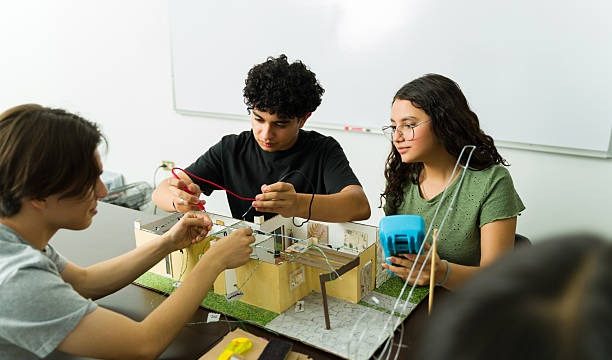
Collaboration is at the heart of effective communication. Encourage students to work together on projects that require them to discuss ideas, delegate tasks, and solve problems collectively. Whether it’s a science experiment, a group presentation, or a creative art project, collaboration provides ample opportunities for students to engage in meaningful conversations. As they navigate their tasks, they’ll naturally develop their ability to communicate clearly and respectfully.
A moment of reflection
Incorporating moments of reflection into your classroom routine can help students process their thoughts and feelings, making them more adept at conversations. After discussions or activities, allow students to take a few minutes to write down their thoughts in a journal. This practice encourages them to articulate their feelings and ideas before sharing them with others. When they’re ready to discuss, they’ll feel more confident and prepared to engage in conversation.
Encouraging a culture of feedback
Creating an environment where constructive feedback is valued can significantly improve communication skills. Introduce peer feedback sessions where students can share their thoughts on each other’s work or ideas in a supportive manner. Teach them to frame their feedback positively, focusing on what their peers did well and offering gentle suggestions for improvement. This practice not only enhances conversational abilities but also builds trust and respect among classmates.
In closing
Fostering better conversations in the classroom is about creating an environment where students feel safe, respected, and connected. Through gentle activities that encourage sharing, listening, and collaboration, we can inspire students to engage in meaningful dialogues. As they learn to communicate effectively, they develop essential skills that will serve them well beyond the classroom, enriching their lives and the communities they belong to. By nurturing this culture of conversation, we help shape compassionate, thoughtful individuals ready to engage with the world around them.