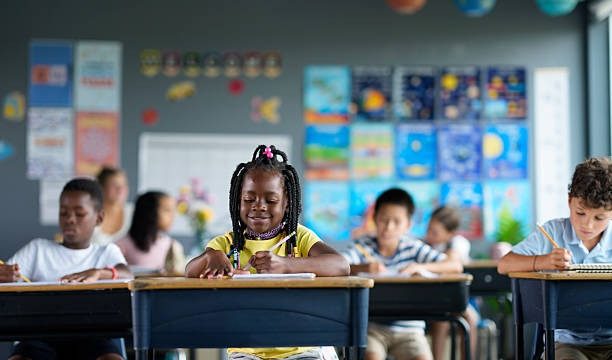
In the modern classroom, fostering an environment where constructive discussions can flourish is more important than ever.
With diverse perspectives and backgrounds coming together, educators have the unique opportunity to cultivate rich dialogues that enhance learning and understanding.
Engaging students in meaningful conversations not only deepens their grasp of subjects but also nurtures critical thinking and empathy. Here are several activities designed to promote constructive discussion among students, creating a more harmonious and collaborative classroom atmosphere.
Creating a safe space for dialogue is foundational. Before diving into activities, it’s essential to establish ground rules that encourage respect, active listening, and openness. This can be as simple as a brief conversation about what makes everyone feel comfortable sharing their thoughts. When students know their voices will be valued and respected, they are more likely to engage openly.
One effective activity that promotes constructive discussion is the “Circle of Voices.” In this setup, students sit in a circle and take turns sharing their thoughts on a specific topic or question. The key is that only the person holding a talking piece—a small object like a ball or a plush toy—has the floor to speak, while others listen attentively. This structure not only ensures that everyone has a chance to share but also encourages students to listen without interrupting. The act of passing the talking piece can symbolize respect for each person’s voice, leading to a deeper understanding of diverse perspectives.
Another engaging activity is the “Fishbowl Discussion.” In this format, a small group of students sits in an inner circle, discussing a topic, while the rest of the class observes from an outer circle. After a set time, students in the outer circle can rotate in, allowing new voices to join the conversation. This method encourages students to both participate and reflect on their peers’ contributions. Observers can take notes on key points or questions that arise, fostering a culture of active listening and thoughtful engagement.
The “Think-Pair-Share” technique is another wonderful way to promote discussion. In this activity, students first take a moment to think about a question or topic individually. Next, they pair up with a partner to discuss their thoughts. Finally, pairs share their findings with the larger group. This approach allows students to refine their ideas through dialogue before presenting them to the whole class, which can boost their confidence and clarity.
Engaging students in role-playing or simulations can also lead to meaningful discussions. By stepping into someone else’s shoes, students can explore complex issues from different angles. For instance, in a history lesson, students might reenact a historical event, taking on the roles of various figures involved. This immersive experience helps them understand the motivations and feelings of those characters, encouraging deeper discussions about the implications of their actions and decisions.
Incorporating literature into discussions can also be incredibly effective. After reading a thought-provoking book or article, students can engage in a Socratic seminar, where they ask open-ended questions and explore themes together. This method not only encourages critical thinking but also allows students to connect personally with the material. They learn to articulate their thoughts and back them up with evidence from the text, fostering a culture of inquiry and respect for differing viewpoints.
Another gentle way to promote discussion is through the use of art. Visual stimuli can evoke strong emotional responses and serve as a springboard for conversation. Teachers might display a piece of artwork, a photograph, or even a video clip related to a topic and invite students to share their interpretations. This not only facilitates dialogue but also allows students to engage with content creatively, weaving together their thoughts and feelings in a unique way.
In addition to structured activities, informal discussions can be equally valuable. Creating opportunities for students to chat during breaks or group work can lead to spontaneous conversations that deepen their understanding of the material. Encouraging students to share their thoughts about current events, personal experiences, or even their hobbies can help build a sense of community and trust within the classroom.
As educators, it’s essential to model the behavior we wish to see in our students. Demonstrating active listening, open-mindedness, and respectful debate sets a powerful example. When students see their teachers engaging in thoughtful discussions, they are more likely to mimic that behavior, creating a classroom culture where constructive dialogue thrives.
Finally, reflecting on the discussions that take place is crucial. After a significant conversation, taking a few moments to debrief can help students process what they learned and how they felt during the discussion. Questions like “What surprised you?” or “What do you want to explore further?” can be instrumental in encouraging ongoing engagement and curiosity.
In cultivating a classroom environment that promotes constructive discussion, educators are not just teaching content; they are fostering essential life skills. As students learn to express their ideas respectfully and consider the perspectives of others, they are better prepared for the complexities of the world beyond the classroom. By incorporating a variety of activities that encourage dialogue, we can nurture a generation of thoughtful, empathetic individuals who are ready to engage with the world in meaningful ways.
Through patience, creativity, and a commitment to building a supportive community, teachers can transform their classrooms into vibrant spaces where every voice is heard, every perspective is valued, and every discussion is an opportunity for growth.