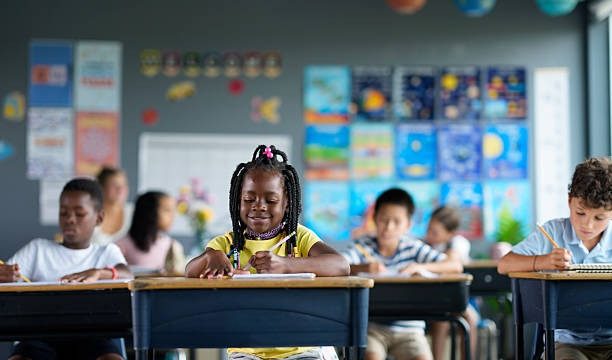
In the heart of every classroom lies the potential for connection and camaraderie among students.
As educators, we often strive to create an environment that not only fosters academic growth but also nurtures relationships.
Classroom activities that promote bonding can significantly enhance the learning experience, encouraging collaboration, empathy, and a sense of belonging. Let’s explore some engaging activities that can help strengthen these essential classroom bonds.
Creating a warm atmosphere begins with simple gestures. One effective way to kick off the school year is by organizing a “Getting to Know You” day. This activity allows students to share their interests, hobbies, and backgrounds, helping to cultivate an inclusive environment. By encouraging each child to express themselves, you create a tapestry of unique personalities that contributes to a richer classroom experience.
As the school year progresses, consider incorporating collaborative projects that blend creativity with teamwork. Group art projects, for instance, can be a fantastic way for students to work together. Whether it’s a mural that reflects their collective vision or a mixed-media collage that showcases individual contributions, these projects encourage communication and cooperation. As students brainstorm and create together, they learn the value of each other’s perspectives, fostering deeper connections.
Another wonderful activity is the “Peer Interview” exercise. In this setup, students pair up to interview one another, focusing on their likes, aspirations, and personal stories. Afterward, each student presents their partner to the class. This not only helps students practice their speaking and listening skills but also builds empathy as they learn about their classmates’ experiences. The bonds formed during these intimate exchanges often lead to lasting friendships.
A small shift toward balance can be achieved through mindfulness activities. Introducing simple mindfulness practices, such as guided breathing exercises or short moments of reflection, can help students feel more grounded and connected to each other. Taking a few minutes to center themselves can create an atmosphere of calm, making it easier for students to open up and share their thoughts and feelings. This shared experience fosters trust and understanding among classmates.
Encouraging acts of kindness can also significantly strengthen classroom bonds. Organizing a “Kindness Challenge” allows students to engage in small acts of kindness throughout the week. Each student can write down their acts on a shared board, creating a visual representation of their collective efforts. This not only reinforces positive behavior but also encourages students to appreciate one another. Celebrating these acts together cultivates a culture of support and friendship.
Storytelling is another powerful tool for building connections. Host a storytelling circle where students can share personal anecdotes or creative tales. By encouraging vulnerability, students become more relatable to one another, discovering common experiences and emotions. This practice not only enhances their communication skills but also nurtures a sense of community, as they learn that everyone has a story to tell.
Incorporating games into the classroom can also be a delightful way to bond. Choose cooperative games that require teamwork, such as relay races or problem-solving challenges. These activities promote collaboration and teach students the importance of working together toward a common goal. The laughter and shared excitement during these games create memories that strengthen relationships.
Outdoor activities can provide a refreshing change of pace while enhancing classroom bonds. Organizing a nature walk or a day at the park allows students to connect with each other in a relaxed setting. As they explore the outdoors, they can engage in discussions about their surroundings, share observations, and even partake in team-building exercises. The natural environment serves as a backdrop for growth and connection, making it easier for students to bond outside the traditional classroom walls.
As the year unfolds, consider dedicating time to community service projects. Engaging in activities that benefit others not only fosters teamwork but also instills a sense of shared purpose among students. Whether it’s organizing a food drive, volunteering at a local shelter, or participating in environmental clean-up efforts, these experiences can deepen friendships as students work side by side for a common cause. The shared commitment to making a difference can create lasting bonds and instill values of empathy and compassion.
Reflection is a vital aspect of any journey, including the relationships we build in the classroom. At the end of each term or project, provide an opportunity for students to reflect on their experiences. This could be through a group discussion or individual journaling. Allowing students to express what they’ve learned about themselves and their peers can solidify the connections they’ve formed, as they recognize the growth that has taken place within their classroom community.
As we navigate the complexities of education, it’s essential to remember that the heart of learning lies in the connections we forge. Classroom activities that promote bonding not only enrich the educational experience but also cultivate a supportive environment where students can thrive. By fostering relationships built on trust, empathy, and collaboration, we help create a space where every student feels valued and understood.
Ultimately, the goal is to nurture a classroom culture that celebrates diversity, encourages collaboration, and fosters genuine friendships. Through thoughtful activities and shared experiences, we can help our students not only learn from one another but also grow together, creating a harmonious and enriching classroom environment. The bonds formed today can last a lifetime, influencing not only their academic journey but also their personal lives well beyond the classroom walls.