Homework Solutions That Encourage Academic Growth
In the ever-evolving landscape of education, homework often stands as a bridge between classroom learning and the independent study that fosters deeper understanding.
It can sometimes feel like a chore, yet when approached thoughtfully, it becomes a valuable tool for academic growth.
The challenge lies in creating an environment where homework transforms from a mere obligation into an opportunity for exploration and discovery.
Creating a supportive atmosphere is vital. Consider the space where homework is done. A well-organized, distraction-free area can significantly enhance focus and productivity. Soft lighting, comfortable seating, and all necessary supplies at hand can make the experience more inviting. This kind of environment not only promotes concentration but also encourages a sense of ownership over one’s learning journey.
Engaging with homework in a meaningful way is another key component. Rather than viewing assignments as mere tasks to complete, students can approach them as chances to delve into subjects they find intriguing. This perspective shift can be cultivated through discussions about the relevance of the material. When students understand how their homework connects to real-world applications, they are more likely to invest time and effort into it.
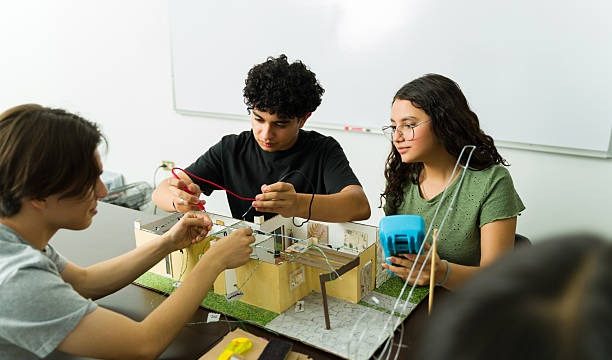
Another effective strategy is to incorporate collaborative learning. Working with peers can breathe new life into homework assignments. Study groups, whether in person or virtual, allow students to share insights, tackle challenging problems together, and learn from one another’s perspectives. This collaborative spirit not only makes the process more enjoyable but also reinforces understanding through discussion and explanation.
Developing a routine can also play a significant role in fostering academic growth. Establishing a consistent schedule for homework helps students develop a sense of discipline and time management. This routine doesn’t have to be rigid; rather, it can be flexible enough to accommodate individual preferences. For some, this might mean dedicating a specific time each day to homework, while others may find success in setting aside longer blocks of time on weekends. The key is to create a rhythm that feels natural and sustainable.
Incorporating breaks into study sessions is another gentle yet effective way to enhance productivity. Research has shown that our brains require time to process information. Short, intentional breaks can recharge mental energy and improve focus when returning to the task at hand. A brief walk, a few minutes of stretching, or even a moment of mindfulness can make a significant difference in how students engage with their work.
Encouraging self-reflection can also enhance the homework experience. After completing an assignment, students can take a moment to consider what they learned and how they approached the task. This practice not only reinforces learning but also cultivates a growth mindset. When students recognize their progress and understand that challenges are part of the learning process, they become more resilient and motivated.
Another aspect to consider is the role of feedback. Constructive feedback, whether from teachers, peers, or even parents, can illuminate areas of strength and opportunities for improvement. It’s essential that this feedback is framed positively, emphasizing growth rather than solely focusing on mistakes. By approaching feedback as a valuable part of the learning journey, students can develop a greater appreciation for the process of learning itself.
Technology also plays a significant role in today’s educational landscape. Utilizing educational apps and online resources can supplement traditional homework and provide interactive learning experiences. From virtual tutoring services to educational games, these tools can make learning more engaging and tailored to individual needs. However, it’s essential to strike a balance, ensuring that technology enhances rather than distracts from the learning experience.
As students navigate their homework, it’s important to remember the value of patience and perseverance. Academic growth is rarely linear; there will be ups and downs along the way. Encouraging a mindset that embraces challenges as opportunities for growth can empower students to approach their studies with confidence. Reminding them that every effort contributes to their overall journey can instill a sense of purpose and motivation.
Moreover, involving parents in the homework process can create a supportive network for students. Parents can encourage their children to explore topics of interest, ask questions, and engage in discussions about their learning. This involvement not only strengthens the parent-child bond but also reinforces the idea that education is a shared journey. When students feel supported at home, they are more likely to approach their homework with a positive attitude.
Ultimately, the goal of homework should be to foster a love for learning rather than to create stress or anxiety. By implementing thoughtful strategies that promote engagement, collaboration, and self-reflection, we can transform homework into a meaningful experience. It becomes a space for exploration, creativity, and personal growth, allowing students to develop not just academically but also as individuals.
As we navigate the complexities of education, let’s remember that every assignment is an opportunity to inspire curiosity and ignite passion for knowledge. By nurturing a supportive environment and encouraging a positive approach to homework, we can guide students on their path to academic growth, helping them discover the joy of learning that will last a lifetime.