In recent years, the conversation surrounding inclusivity in sports and recreation has gained significant traction.
This shift is not just about opening doors for everyone to participate, but about creating spaces where individuals feel valued, accepted, and empowered.
Understanding inclusive sports and recreation programs can illuminate how these initiatives transform lives and communities.
At its core, inclusive sports and recreation aims to break down barriers that prevent individuals, particularly those with disabilities, from engaging in physical activities. It recognizes the diverse needs of participants and fosters an environment where everyone can thrive, regardless of their abilities. This approach transcends mere participation; it’s about building confidence, fostering friendships, and nurturing a sense of belonging.
A gentle nudge toward understanding inclusivity begins with recognizing the unique challenges faced by individuals with disabilities. Traditional sports often operate under the assumption that all participants have the same physical capabilities. However, inclusive programs adapt to accommodate various needs, ensuring that everyone can join in the fun. This might mean modifying rules, providing specialized equipment, or offering tailored coaching to help each individual find their place in the game.
The beauty of inclusive sports and recreation lies in its ability to foster connections. When people from different backgrounds and abilities come together, they create a rich tapestry of experiences and perspectives. These interactions not only enhance the enjoyment of sports but also promote understanding and empathy among participants. By sharing the field, court, or track, individuals learn to appreciate one another’s strengths and challenges, ultimately enriching their own lives.
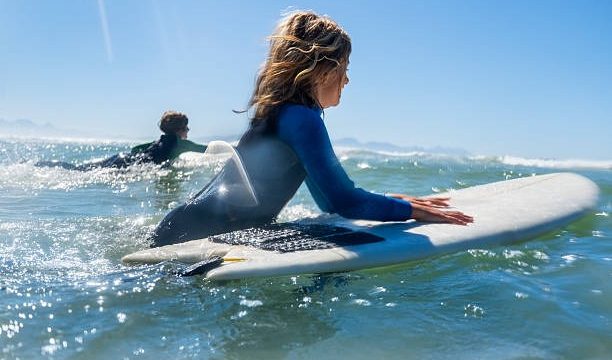
As communities embrace inclusive programs, the ripple effects can be profound. Schools, local organizations, and recreational centers are increasingly recognizing the importance of inclusive environments. By offering a variety of activities—such as adaptive swimming, wheelchair basketball, or unified soccer—these programs cater to a wide range of interests and abilities. This diversity not only encourages participation but also inspires innovation in how sports are taught and experienced.
A small shift toward balance can also be observed in the way sports are perceived in society. Historically, competitive success has often overshadowed the joy of play. Inclusive sports programs counter this narrative by emphasizing participation over performance. They celebrate effort and improvement, creating a culture where everyone is encouraged to try their best. This shift not only helps individuals develop their skills but also fosters a sense of pride and accomplishment that transcends winning or losing.
The role of volunteers and coaches in fostering inclusive environments cannot be overstated. These individuals often serve as the backbone of inclusive programs, bringing passion and commitment to their roles. Their training and understanding of adaptive techniques are crucial in ensuring that all participants feel safe and supported. Coaches who embrace inclusivity are not just teaching sports; they are instilling life lessons about resilience, teamwork, and respect.
Participation in inclusive sports also offers significant mental and emotional benefits. Engaging in physical activity is known to improve mood and reduce stress, but for individuals with disabilities, the impact can be even more pronounced. The act of participating in a sport—whether it’s scoring a goal or simply being part of a team—can boost self-esteem and foster a sense of identity. In an inclusive setting, these benefits are magnified as individuals are celebrated for their unique contributions.
Moreover, inclusive sports programs can play a vital role in promoting health and wellness within communities. By encouraging physical activity among individuals of all abilities, these programs help combat sedentary lifestyles and associated health issues. They also create opportunities for families to engage together, fostering a culture of health and wellness that extends beyond the field.
As we look toward the future, the importance of inclusivity in sports and recreation will only continue to grow. Advocacy for accessible facilities, funding for adaptive equipment, and training for coaches are essential steps toward creating a more inclusive landscape. Communities that prioritize these initiatives not only enhance the quality of life for individuals with disabilities but also enrich the fabric of society as a whole.
In conclusion, understanding inclusive sports and recreation programs reveals a world where everyone can participate, grow, and thrive. These programs are not merely about physical activity; they are about building community, fostering connections, and promoting well-being. By embracing inclusivity, we open doors to opportunities that empower individuals and enrich lives. As we continue to champion these initiatives, we move closer to a world where everyone, regardless of ability, can play, learn, and grow together.