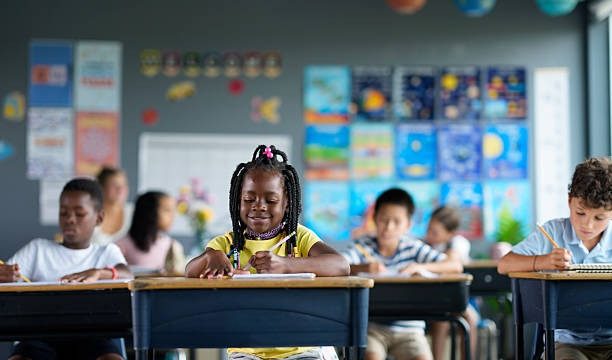
Creating an engaging classroom environment is essential for nurturing thoughtful feedback among students.
When students feel comfortable sharing their thoughts and opinions, they develop critical thinking skills and foster a sense of community.
Here are some gentle yet effective classroom activities that encourage this kind of reflective dialogue.
A gentle approach to sharing ideas
One of the simplest yet most powerful activities to promote thoughtful feedback is the “Think-Pair-Share” technique. This method allows students to first reflect individually on a question or topic. After a few moments of quiet contemplation, they pair up with a partner to share their thoughts. Finally, pairs can share their insights with the larger group. This structured process not only helps students articulate their ideas clearly but also encourages them to listen actively to their peers.
Creating a safe space for dialogue is key here. Establishing ground rules at the outset—like respecting differing opinions and maintaining confidentiality—can help students feel more secure in expressing themselves. As they engage in this exchange, they learn to appreciate diverse perspectives and refine their own viewpoints.
Reflecting through art
Art can be a powerful medium for communication in the classroom. Integrating creative activities like drawing or creating a visual collage can open up new avenues for expression. After a lesson, students can create artwork that represents their understanding of the topic or their feelings about it. Once completed, students can present their creations to the class.
This not only allows for a unique form of feedback but also encourages students to think critically about how to visually convey their thoughts. As they explain their artwork, they practice articulating their ideas and emotions, which can lead to deeper conversations and insights.
The power of journaling
Incorporating journaling into the classroom routine can significantly enhance reflective thinking. Encouraging students to write about their experiences, thoughts, and feelings regarding lessons fosters a habit of introspection. Journals can serve as a private space for students to explore their ideas without the pressure of immediate feedback.
To further this practice, consider setting aside time for students to share excerpts from their journals in small groups. This can help them gain confidence in their writing and sharing abilities, as well as provide a platform for thoughtful feedback. It’s a gentle way for students to connect with one another through shared experiences and reflections.
Encouraging peer review
Peer review is a valuable activity that promotes collaboration and constructive feedback. When students review each other’s work, they learn to analyze and critique thoughtfully. To create a positive peer review process, teach students how to provide specific, actionable feedback. This can be done through guided questions that help them focus on strengths and areas for improvement.
To begin, consider having students exchange written assignments or projects. They can then read each other’s work and provide feedback using a simple rubric. This not only helps them learn how to give and receive feedback but also cultivates a sense of responsibility for their peers’ learning. Over time, this practice can strengthen the classroom community, as students learn to support one another’s growth.
Engaging in group discussions
Facilitating thoughtful group discussions can be an enriching experience for students. To create a space where everyone feels comfortable sharing their thoughts, it’s essential to establish a respectful atmosphere. Use open-ended questions that invite exploration and inquiry, allowing students to delve deeper into the topic at hand.
Encourage students to build on each other’s ideas during discussions. Phrases like “I appreciate what you said about…” or “That reminds me of…” can help students connect their thoughts to those of their peers. This practice not only reinforces active listening but also teaches students the value of collaboration and community in learning.
Small shifts toward growth
Incorporating activities that encourage thoughtful feedback takes time and patience. It’s important to recognize that every classroom is unique, and what works for one group may not resonate with another. Being open to adjusting activities based on the needs and dynamics of your class can lead to more meaningful interactions.
Encouraging a growth mindset among students can further enhance their ability to give and receive feedback. Emphasize that feedback is not criticism but rather an opportunity for improvement and learning. When students view feedback through this lens, they are more likely to engage in honest, constructive conversations with their peers.
Building connections through feedback
As students engage in thoughtful feedback activities, they naturally begin to build connections with one another. This sense of community is vital for creating a supportive learning environment. When students feel connected, they are more likely to share their thoughts and experiences openly.
Take time to celebrate the progress your students make in their ability to give and receive feedback. Acknowledging their efforts fosters a culture of appreciation and respect. Over time, students will not only become more adept at articulating their thoughts but will also develop a deeper understanding of their peers’ perspectives.
In conclusion, fostering an environment that encourages thoughtful feedback is a journey that requires intention and care. Through a variety of activities—such as Think-Pair-Share, artistic expression, journaling, and peer review—students can learn to engage with one another meaningfully. By nurturing this culture of reflection and dialogue, educators can help students grow both academically and personally, creating a vibrant classroom community that thrives on mutual respect and understanding.