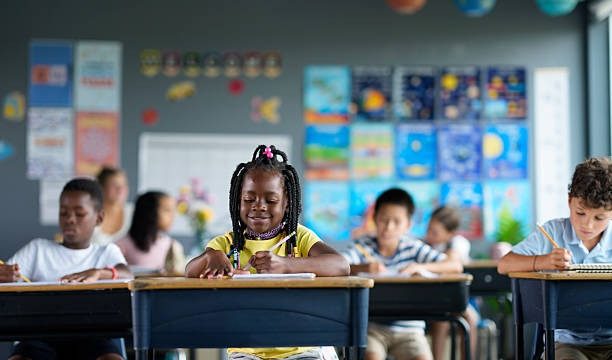
In the heart of every classroom lies the potential for collaboration and connection.
When students come together, they create a vibrant tapestry of ideas, perspectives, and skills.
Fostering teamwork within the classroom is essential not just for academic success, but for nurturing interpersonal skills that will serve students well beyond their school years. Engaging in activities that promote collaboration can help students learn to communicate effectively, respect diverse viewpoints, and work towards common goals.
One effective way to encourage teamwork is through group projects that allow students to explore a subject deeply while relying on one another’s strengths. For instance, a science project on ecosystems could be a delightful opportunity for students to divide responsibilities based on their interests. One might focus on research, another on presentation design, and yet another on creating visuals. This approach not only makes the workload manageable but also emphasizes the importance of each member’s contribution. As they collaborate, students learn to appreciate the unique talents and insights of their peers, fostering a sense of community and shared purpose.
Incorporating games into the learning environment can also be a fantastic way to encourage teamwork. Games that require strategic thinking and cooperation can break down barriers and build camaraderie among students. For example, a simple game of “Escape Room” can be adapted for educational purposes, where students must work together to solve puzzles related to their curriculum. This not only ignites a spirit of collaboration but also turns learning into an enjoyable experience. When students face challenges together, they develop trust and build lasting relationships, essential components of effective teamwork.
Creativity can also play a significant role in helping students bond and work together. Art projects that require group input can be particularly powerful. Imagine a scenario where students collaborate to create a mural that reflects their collective experiences or values. This project allows them to express themselves while also learning to negotiate and compromise. As they discuss colors, themes, and techniques, they learn to listen to each other’s ideas and find common ground. Such activities not only enhance their artistic skills but also instill a sense of pride in their shared accomplishments.
Another gentle yet effective approach to fostering teamwork is through peer mentoring. Pairing students with different skill levels encourages them to learn from one another. A student who excels in math can help a peer struggling with the subject, while the latter might offer insights into creative writing. This reciprocal teaching not only strengthens their understanding of the material but also lays the groundwork for empathy and respect. As they navigate challenges together, students learn to celebrate each other’s successes, reinforcing the idea that collaboration leads to collective growth.
Incorporating discussions around social issues can also be a meaningful way to build teamwork. Engaging students in conversations about topics such as community service or environmental sustainability can inspire them to work together towards a common cause. Organizing a class project that aims to give back to the community, such as a clean-up drive or a fundraiser for a local charity, allows students to feel connected to each other and the world around them. As they brainstorm ideas and execute their plans, they develop a sense of responsibility and shared mission, reinforcing the importance of working together for the greater good.
Reflection is another key component of teamwork. After completing group activities, encouraging students to discuss what they learned about working together can be transformative. This practice allows them to articulate their feelings, acknowledge challenges, and celebrate successes. By sharing their experiences, students can gain insights into their interpersonal dynamics and identify areas for growth. This reflective process not only enhances their self-awareness but also strengthens their ability to collaborate effectively in future endeavors.
Creating a classroom environment that prioritizes respect and inclusivity is fundamental to successful teamwork. Establishing ground rules that promote kindness and open-mindedness sets the tone for collaboration. Students should feel safe to express their ideas without fear of judgment. When they know that their voices are valued, they are more likely to engage actively and contribute meaningfully to group activities. This supportive atmosphere fosters a sense of belonging and encourages students to take risks, ultimately enhancing their ability to work together harmoniously.
Incorporating technology can also provide fresh avenues for teamwork. Utilizing online platforms for collaborative projects can help students develop digital literacy while working together in new and exciting ways. For instance, they can create shared documents, engage in virtual brainstorming sessions, or even collaborate on multimedia presentations. These tools not only facilitate communication but also prepare students for the realities of a digitally interconnected world. As they navigate these platforms together, they learn to coordinate efforts and leverage each other’s strengths, mirroring the dynamics of modern workplaces.
As we strive to cultivate a collaborative spirit in our classrooms, it’s essential to remember that teamwork is a skill that takes practice. Encouraging students to embrace both the joys and challenges of working together can lead to profound personal and academic growth. The bonds they form during these experiences can last a lifetime, enriching their social networks and enhancing their ability to navigate the complexities of life beyond school.
In conclusion, promoting teamwork through engaging classroom activities not only enriches the learning experience but also equips students with invaluable life skills. From group projects and creative collaborations to discussions about social responsibility, each activity offers a unique opportunity for students to connect, grow, and thrive together. As educators and mentors, nurturing these experiences can pave the way for a generation that values collaboration, empathy, and shared success. In a world that thrives on connection, teaching students to work as a team is truly a gift that will serve them well into the future.