In a world that is becoming increasingly interconnected through technology and communication, the importance of literacy cannot be overstated.
Literacy is not merely the ability to read and write; it encompasses a range of skills that allow individuals to engage with information, express themselves clearly, and navigate the complexities of everyday life.
As we strive for a more literate society, it’s essential to explore the tools that can support long-term skill development in this vital area.
Creating a foundation for literacy begins with an understanding that learning is a lifelong journey. While traditional methods of education have their place, the emergence of innovative literacy tools can bridge gaps and enhance learning experiences. From interactive apps to community literacy programs, these resources can empower individuals of all ages.
One of the most exciting developments in literacy tools is the rise of digital apps designed to promote reading and writing skills. These applications often incorporate gamified elements, making the learning process engaging and enjoyable. For younger learners, apps like ABCmouse or Starfall introduce foundational skills through colorful graphics and interactive activities. These tools not only capture attention but also encourage repeated practice, which is essential for retention.
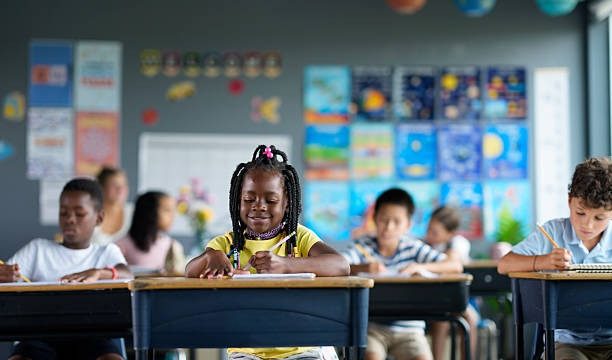
As children grow older, their literacy needs evolve. Tools that support vocabulary development and comprehension become crucial. Programs like Vocabulary.com and ReadTheory offer tailored exercises that adapt to individual skill levels. This personalization can foster a sense of achievement, motivating learners to continue improving. Moreover, the ability to track progress can provide valuable insights into areas that may require additional focus.
In addition to digital tools, the role of traditional reading materials should not be overlooked. Libraries are treasure troves of resources, offering a wealth of books across genres and reading levels. Many libraries now provide access to e-books and audiobooks, making literature more accessible than ever. Encouraging regular visits to the library can instill a love for reading, promoting lifelong habits that support literacy development.
A small shift toward community involvement can also enhance literacy skills. Many organizations offer programs that connect volunteers with individuals seeking to improve their reading and writing abilities. These partnerships can create supportive environments where learners feel comfortable practicing their skills. Not only do these interactions build confidence, but they also foster a sense of belonging and connection.
As we consider the importance of literacy in our daily lives, it’s essential to recognize the role of writing in skill development. Writing is a powerful tool for self-expression and communication. Journaling, blogging, or even participating in writing workshops can provide outlets for creativity while honing writing skills. Encouraging individuals to share their stories can empower them to articulate their thoughts more clearly and effectively.
Incorporating literacy into daily routines can also yield significant benefits. Simple practices, such as reading aloud together as a family or discussing books over dinner, can strengthen bonds while enhancing literacy skills. These moments create opportunities for meaningful dialogue, where individuals can explore ideas and perspectives together.
The integration of technology in education has opened new avenues for learning, but it’s important to strike a balance. While screen-based tools can be beneficial, they should complement rather than replace traditional literacy experiences. Encouraging a mix of reading physical books and using digital resources can create a holistic approach to literacy development.
As we navigate the digital landscape, it’s vital to be mindful of the content we consume. Teaching critical thinking skills alongside literacy can empower individuals to discern credible information from misinformation. This skill is particularly important in an age where information is readily available at our fingertips. Engaging in discussions about media literacy can help learners develop a healthy skepticism and a deeper understanding of the world around them.
As literacy development progresses, it’s also essential to recognize the diverse needs of learners. Everyone has a unique learning style, and what works for one person may not resonate with another. Offering a variety of resources and tools can accommodate different preferences, ensuring that everyone has the opportunity to thrive. Whether it’s through visual aids, hands-on activities, or auditory resources, the key is to remain flexible and open to exploration.
In our pursuit of fostering literacy, we must also embrace the idea of lifelong learning. Just as we encourage children to develop their skills, adults too can benefit from ongoing education. Community classes, online courses, and even book clubs can provide avenues for personal growth and skill enhancement. By modeling a commitment to learning, we inspire future generations to value literacy as an essential component of life.
In conclusion, the journey toward literacy is one that can be enriched by various tools and resources. From digital applications to community programs, the options available today offer exciting possibilities for individuals of all ages. By fostering a love for reading and writing, encouraging critical thinking, and embracing diverse learning styles, we can create a more literate society. As we take small steps together, we empower ourselves and others to navigate the world with confidence and clarity. Ultimately, literacy is not just a skill; it’s a pathway to understanding, connection, and personal growth.