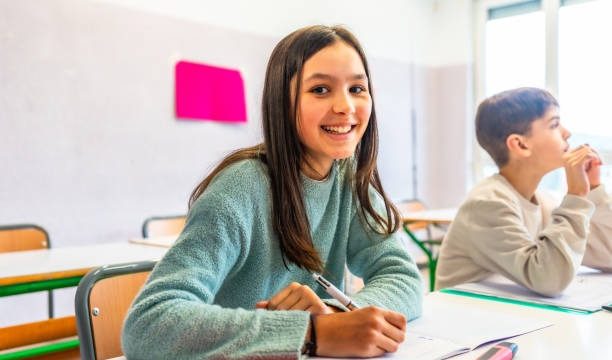
In the bustling world of education, the classroom is more than just a place for lectures and textbooks; it is a vibrant space where curiosity blooms and learning takes shape.
As educators, we have the incredible opportunity to create engaging activities that reinforce learning goals while nurturing a love for knowledge.
Each activity is a stepping stone, guiding students toward a deeper understanding of the subjects they explore. Here, we’ll delve into some imaginative classroom activities that not only solidify learning objectives but also foster a sense of community and joy among students.
Creating a sense of community in the classroom can be as simple as introducing collaborative projects. When students work together, they not only share knowledge but also learn the vital skills of communication and teamwork. One effective approach is to organize group presentations. These can be centered around a particular topic, allowing students to research, create, and present their findings to the class. This not only reinforces the material but also encourages students to engage with one another, fostering a supportive learning environment.
Another delightful way to reinforce learning goals is through themed learning stations. Imagine transforming your classroom into an interactive hub, where each station focuses on a different aspect of the curriculum. For instance, in a science class, one station could be dedicated to experiments, another to research, and yet another to artistic expression related to scientific concepts. Students can rotate through the stations, immersing themselves in diverse learning experiences. This approach caters to various learning styles, ensuring that every student finds a way to connect with the material.
Storytelling is an age-old method that continues to resonate in educational settings. It is a powerful tool for reinforcing learning goals across various subjects. Consider integrating storytelling into your lessons; it can transform dry content into engaging narratives. For instance, while teaching history, have students create a character and narrate events from their perspective. This not only deepens understanding but also allows students to express their creativity. By weaving stories around facts, students are more likely to remember and relate to the material.
Incorporating art into learning can also be a transformative experience. When students create visual representations of their understanding, they engage with the material on a deeper level. Art projects can range from drawing and painting to crafting models. For example, in a literature class, students might illustrate scenes from a book or create a visual timeline of events. This not only reinforces the content but also allows students to express their interpretations in a unique way, making learning a more personal journey.
The power of play is often underestimated in an academic setting. Integrating games into lessons can create a lively atmosphere while reinforcing key concepts. Educational games can be tailored to fit various subjects, whether it’s a math bingo, a vocabulary scavenger hunt, or a science jeopardy. These playful activities not only make learning enjoyable but also encourage friendly competition and collaboration among students. In this way, play becomes a vehicle for achieving educational goals, transforming the classroom into a dynamic learning space.
A small shift toward balance can be achieved through mindfulness activities. Incorporating moments of mindfulness into the classroom can enhance focus and reduce anxiety, creating a conducive learning environment. Simple practices such as guided breathing exercises or short meditation sessions can help students center themselves before diving into new material. This approach not only supports academic success but also promotes emotional well-being, allowing students to approach their studies with a calm and open mindset.
Field trips, although sometimes logistically challenging, can serve as a wonderful extension of classroom learning. Experiencing a subject in its real-world context can solidify understanding and ignite passion. Whether visiting a museum, a science center, or a historical site, these outings provide invaluable opportunities for experiential learning. Students can engage with the material in a tangible way, making connections that extend beyond the classroom walls. When they return, discussions can be enriched by their experiences, further reinforcing the learning goals.
Encouraging reflective practices can also be a significant aspect of reinforcing learning goals. By having students maintain journals, they can document their thoughts, questions, and reflections on what they’ve learned. This practice not only promotes self-awareness but also helps students track their progress over time. Teachers can periodically review these entries, providing personalized feedback and guiding students in their learning journeys. Reflection fosters a deeper connection with the material, allowing students to internalize what they have learned.
As we explore these various activities, it is essential to remember that the ultimate goal is to create an environment where students feel safe and encouraged to explore their ideas. The classroom should be a nurturing space where every voice is valued, and every student can thrive. By implementing diverse activities that cater to different learning styles and preferences, educators can build a rich tapestry of experiences that reinforce learning goals while celebrating the unique strengths of each student.
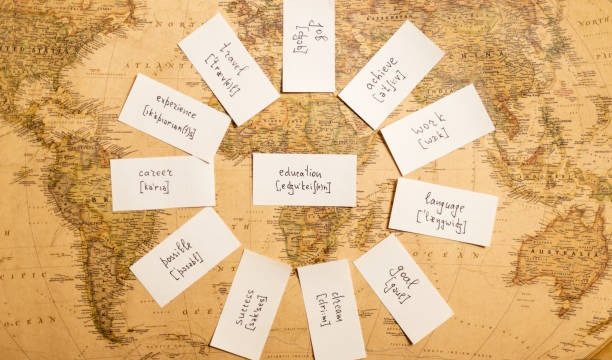
In the end, education is not just about imparting knowledge; it’s about cultivating a lifelong love of learning. By embracing creativity, collaboration, and mindfulness in the classroom, we can help students not only achieve their academic goals but also develop the skills and confidence they need to navigate the world beyond school. Each activity becomes a thread in the fabric of their educational journey, weaving together knowledge, creativity, and community in a way that prepares them for a bright future.
In this beautiful journey of learning, let us continue to explore, create, and inspire, ensuring that every student finds joy in the pursuit of knowledge. After all, the classroom is not merely a space for instruction; it is a vibrant community of learners ready to discover the wonders of the world together.