In the vibrant tapestry of a classroom, the threads of peer support weave strong connections among students.
Encouraging these bonds can transform the educational experience, fostering a sense of belonging and collaboration.
By embracing activities that promote peer support, educators can create an environment where students feel valued and empowered. Let’s explore some engaging classroom activities that nurture these essential relationships.
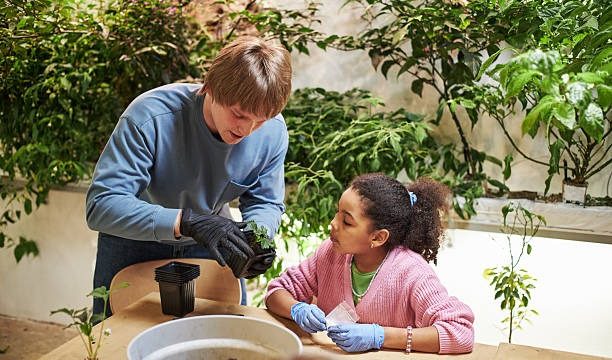
One of the simplest yet most effective ways to encourage peer support is through collaborative learning projects. When students work together on a common goal, they not only learn the subject matter but also develop critical interpersonal skills. These projects can be as varied as group presentations, science experiments, or even creative arts initiatives. The key is to ensure that each student has a role that plays to their strengths, allowing them to contribute meaningfully while relying on their peers for support and encouragement.
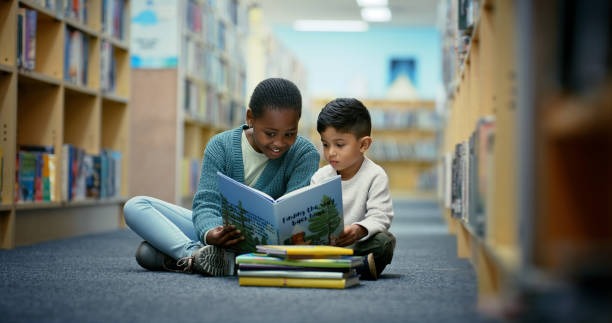
Creating a buddy system can also enhance peer relationships. Pairing students with different strengths and weaknesses promotes a sense of responsibility and care. For instance, a student who excels in mathematics could partner with someone who struggles in that area, fostering a supportive learning environment. This system not only helps students academically but also encourages them to form friendships based on mutual respect and assistance.
Incorporating storytelling into the classroom is another wonderful way to build empathy and understanding among students. When students share personal stories or experiences, they open up avenues for connection. This could be structured through a “story circle” where students take turns sharing tales related to a specific theme, such as overcoming challenges or celebrating achievements. As they listen to one another, students learn to appreciate diverse perspectives and develop a deeper sense of community.
A gentle shift toward balance can be achieved through mindfulness activities. Simple practices, such as guided meditation or breathing exercises, can help students center themselves and cultivate a positive mindset. When they feel calm and grounded, they are more likely to approach their peers with kindness and support. Incorporating mindfulness into the daily routine encourages students to be present, not only for themselves but also for their classmates, enhancing the overall classroom atmosphere.
Another effective strategy is to create opportunities for students to teach one another. Peer teaching can be a powerful way to reinforce learning while fostering collaboration. When students explain concepts to their peers, they solidify their own understanding and build confidence. This can be facilitated through small group discussions or “teach-back” sessions where students take turns presenting topics they have mastered. As they share knowledge, they also develop patience and communication skills, creating an environment of mutual support.
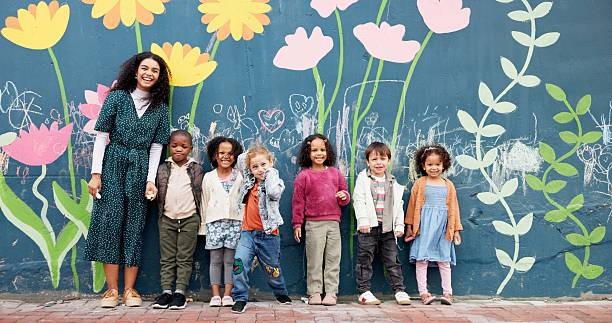
Artistic expression is a beautiful avenue for building connections among students. Collaborative art projects, such as murals or group paintings, encourage creativity while fostering teamwork. As students work side by side, they share ideas and support each other’s artistic visions. This not only enhances their creative skills but also strengthens their bonds as they celebrate their collective achievements. Art provides a unique medium for students to express themselves and connect on a deeper level.
Encouraging reflection is another vital aspect of nurturing peer support. Creating a safe space for students to share their thoughts and feelings about their experiences can deepen their connections. This could take the form of a reflective journal where students write about their interactions with peers or discuss what they appreciate in their classmates. By reflecting on their experiences, students can acknowledge the importance of support and kindness, reinforcing these values within the classroom.
Integrating service projects into the curriculum can also foster a sense of community and collaboration among students. Working together on a project that benefits others, whether it’s a local charity drive or a community clean-up, helps students see the impact of their collective efforts. As they engage in service, they build camaraderie and a shared sense of purpose, strengthening their peer relationships while contributing positively to their surroundings.
Creating a culture of appreciation can significantly enhance peer support in the classroom. Simple gestures, such as writing notes of gratitude or recognition, can go a long way in fostering a positive environment. Designating time for students to acknowledge one another’s efforts encourages them to celebrate each other’s successes, no matter how small. This practice cultivates a supportive atmosphere where students feel valued and motivated to support their peers.
Engaging in team-building activities can also play a crucial role in strengthening peer connections. Activities that require collaboration, communication, and problem-solving can help students build trust and rapport. Whether it’s a simple trust fall exercise or a more complex group challenge, these activities encourage students to rely on one another, fostering a sense of unity and support.
As we delve into these classroom activities, it’s clear that fostering peer support is not just beneficial for academic growth but also essential for emotional well-being. When students feel supported by their peers, they are more likely to take risks, express themselves, and engage fully in their learning. By creating a nurturing environment where collaboration and kindness thrive, educators can help students develop not only as learners but as compassionate individuals.
In conclusion, the journey toward building a supportive classroom community is filled with opportunities for connection and growth. By incorporating collaborative projects, storytelling, mindfulness, and service activities, educators can foster an environment where peer support flourishes. As students learn to uplift one another, they create a rich tapestry of relationships that will support them far beyond the classroom walls. In this nurturing space, everyone can thrive, paving the way for a brighter future built on understanding and collaboration.