In today’s fast-paced world, the quest for knowledge and the exploration of new ideas are more important than ever.
Classrooms serve as fertile ground for such exploration, offering students a space where imagination can flourish and curiosity can thrive.
Engaging students in activities that stimulate their minds can create a vibrant learning environment, fostering not only academic growth but also personal development. Here are some gentle suggestions for classroom activities that can help students explore new ideas in innovative and enjoyable ways.
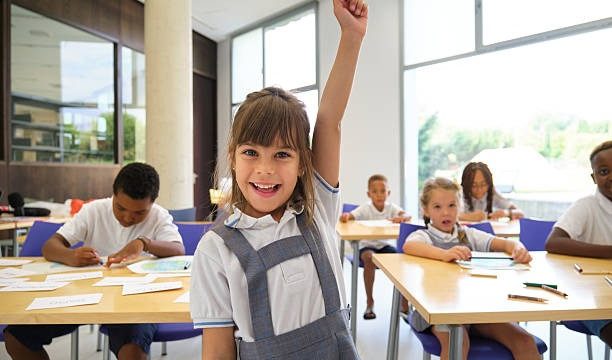
A natural conversation starter can often lead to rich discussions. Consider beginning a class with an open-ended question related to the subject matter. This could be as simple as asking students what they think about a current event, a piece of literature, or a scientific concept. Allowing students to express their thoughts and opinions encourages critical thinking and helps them feel valued in the classroom. When students know that their voices matter, they are more likely to engage deeply with the material and each other.
Another engaging way to spark new ideas is through creative storytelling. Invite students to collaborate on a story, where each individual contributes a sentence or a paragraph. This not only fosters teamwork but also encourages imaginative thinking. As the story unfolds, students can explore different themes and ideas, reflecting on how their contributions shape the narrative. This activity can be tailored to suit various subjects, making it a versatile tool for educators.
Art can also be a powerful medium for exploring new concepts. Integrating art into lessons allows students to express their understanding in unique ways. For example, after a lesson on ecosystems, students could create visual representations of their favorite habitats. This could include drawings, paintings, or even digital art. By encouraging students to visualize their knowledge, they can deepen their understanding and find personal connections to the material.
Incorporating movement into learning can also yield fruitful results. Activities like role-playing or simulations can bring concepts to life in a way that engages students physically and mentally. For instance, if studying historical events, students could reenact a pivotal moment in history. This immersive experience can help them grasp the emotions and motivations behind historical figures, making the learning process more meaningful.
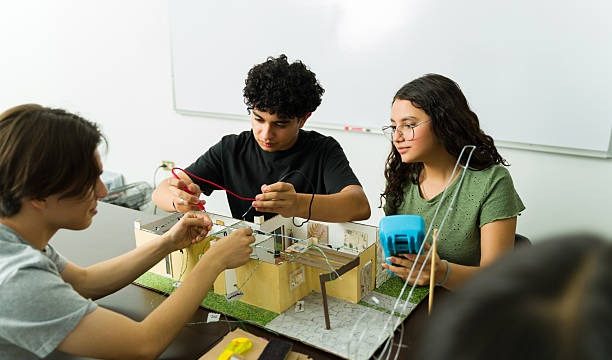
A small shift toward balance can also be found in collaborative projects. Group work allows students to share their unique perspectives and ideas, fostering an environment of mutual respect and shared learning. By assigning projects that require teamwork, students can learn to navigate different viewpoints and develop their communication skills. Whether it’s a science experiment or a research project, collaboration encourages students to think critically and creatively as they work together toward a common goal.
Encouraging students to delve into research can also be an enlightening experience. Assigning topics that pique their interest allows them to take ownership of their learning. Students can explore various sources, gather information, and present their findings to the class. This not only enhances their research skills but also nurtures their ability to articulate and defend their ideas. Creating a safe space for students to present their work fosters confidence and encourages them to embrace the learning journey.
Exploration can also take on a more hands-on approach through field trips or virtual tours. Taking students outside the classroom provides them with real-world experiences that can ignite their passion for learning. Visiting museums, nature reserves, or local businesses can offer insights that textbooks alone cannot provide. If in-person trips aren’t feasible, virtual tours can serve as an excellent alternative, allowing students to explore different cultures, historical sites, or scientific phenomena from the comfort of their classroom.
A gentle conversation about the future can also spark innovative thinking. Hosting a “dream big” session where students share their aspirations can inspire creativity and ambition. This could involve writing letters to their future selves or creating vision boards that represent their dreams and goals. By encouraging students to think about their future, you help them connect their current studies to their long-term aspirations, fostering a sense of purpose in their education.
Mindfulness activities can also play a role in exploring new ideas. Incorporating moments of quiet reflection or guided meditation can help students center themselves and open their minds to new possibilities. This practice not only enhances focus but also nurtures emotional well-being, allowing students to approach their learning with a calm and open heart. When students feel balanced, they are more likely to embrace the learning process and engage with new ideas.
Fostering a culture of curiosity can also be achieved through guest speakers or expert panels. Inviting individuals from various fields to share their experiences and insights can provide students with a broader perspective on their studies. This exposure to real-world applications of knowledge can inspire students to think beyond the classroom and consider how their learning can impact the world around them.
Finally, celebrating creativity in all its forms can reinforce the idea that exploration is a valuable part of the learning process. Hosting a showcase where students can present their projects, art, or performances allows them to take pride in their work. Recognizing their efforts fosters a sense of community and encourages others to embrace their creativity as well. By highlighting the importance of exploration and expression, you create an environment where new ideas can flourish.
In conclusion, exploring new ideas in the classroom is not just about academic success; it’s about nurturing a love for learning and personal growth. By incorporating a variety of engaging activities, educators can create a rich tapestry of experiences that empower students to think critically, collaborate, and express themselves freely. The journey of exploration is a beautiful one, and every classroom can be a vibrant space where new ideas take root and flourish.