In the evolving landscape of education, one truth remains constant: engaged students are more likely to thrive academically and socially.
As teachers and educators, creating an environment that fosters engagement can seem daunting at times.
However, with a sprinkle of creativity and a gentle shift in perspective, it’s possible to transform the classroom into a vibrant space where students feel motivated and excited to learn.
A small shift toward connection
One of the most effective ways to boost student engagement is through connection. When students feel a bond with their peers and teachers, they are more likely to participate actively in classroom activities. Consider incorporating icebreaker games at the start of the school year or during new unit introductions. Simple activities like sharing fun facts or participating in team-building exercises can create a warm atmosphere that encourages collaboration and communication. This sense of belonging is vital for students, helping them to feel valued and respected.
Incorporating storytelling into lessons can also strengthen connections. Whether it’s sharing personal experiences related to the subject matter or inviting students to share their own stories, storytelling creates a shared experience that can deepen understanding. When students see the relevance of their lessons through personal narratives, they are more likely to engage with the material and retain what they learn.
The art of hands-on learning
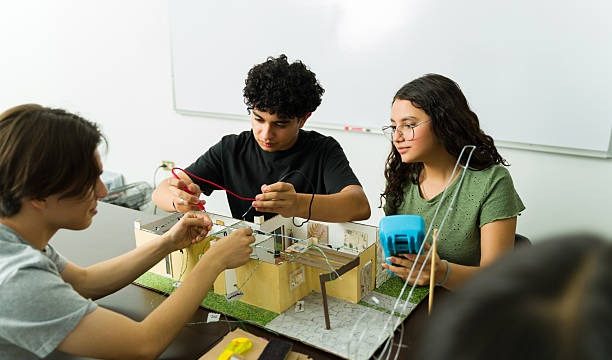
Another powerful way to engage students is through hands-on learning experiences. This approach allows students to actively participate in their education rather than being passive recipients of information. Activities such as science experiments, art projects, or even cooking can make lessons come alive. For instance, conducting a simple science experiment that illustrates a complex concept can spark curiosity and enthusiasm.
Incorporating real-world applications into lessons can also enhance engagement. When students see how what they are learning applies to their lives outside of school, it fosters a greater interest in the subject matter. For instance, using local community issues as case studies in social studies or mathematics can help students connect their learning to their environment, making it more relevant and engaging.
Encouraging creativity and self-expression
Creativity is a natural pathway to engagement. Allowing students to express themselves through various mediums—be it art, writing, or drama—can transform the classroom dynamic. Projects that allow for creative freedom encourage students to take ownership of their learning. Consider implementing project-based learning, where students can choose how to demonstrate their understanding of a topic. This not only fosters creativity but also encourages critical thinking and problem-solving skills.
Drama and role-playing can also be excellent tools for engagement. By stepping into different characters or scenarios, students can explore complex ideas in a safe and imaginative space. This method not only deepens understanding but also cultivates empathy and perspective-taking, essential skills in today’s diverse world.
A gentle nudge toward collaboration
Collaboration is a cornerstone of engagement. Group activities, whether they involve problem-solving tasks or creative projects, can foster a sense of teamwork and community. When students work together, they learn from one another, share ideas, and build social skills. Incorporating collaborative learning strategies, such as peer teaching or group discussions, allows students to take an active role in their education.
Additionally, technology can enhance collaboration. Utilizing tools like shared documents or educational apps can facilitate group work, even in a virtual setting. This not only makes learning more interactive but also prepares students for the collaborative nature of the modern workplace.
Mindfulness and reflection
Incorporating mindfulness practices into the classroom can significantly enhance student engagement. Simple activities such as guided breathing exercises or short meditation sessions can help students center themselves and focus on the task at hand. This practice not only calms the mind but also encourages a deeper connection to the learning material.
Encouraging reflection is equally important. Allowing students to think about what they have learned and how they have grown fosters a sense of ownership over their education. Journaling or sharing reflections in small groups can provide students with an opportunity to articulate their thoughts and feelings about their learning experiences. This practice nurtures self-awareness and can lead to greater engagement.
Creating a supportive environment
Lastly, fostering a supportive classroom environment is crucial for engagement. Students need to feel safe to express their thoughts and ideas without fear of judgment. Establishing clear expectations and promoting a culture of respect can help create this safe space. Celebrating mistakes as learning opportunities rather than failures encourages a growth mindset, where students feel empowered to take risks and engage with their learning.
Incorporating student voice into classroom decision-making can also enhance engagement. Whether it’s allowing students to choose topics for projects or having them contribute to classroom rules, giving them a voice fosters a sense of autonomy and responsibility. When students feel that their opinions matter, they are more likely to invest themselves in their education.
In conclusion, boosting student engagement is about creating a dynamic and supportive learning environment where students feel connected, inspired, and empowered. By integrating hands-on learning, creativity, collaboration, mindfulness, and a sense of community, educators can cultivate a classroom atmosphere that invites students to participate actively in their education. Each small shift, whether it’s through storytelling, collaborative projects, or mindful practices, contributes to a richer, more engaging learning experience. In this journey of education, fostering engagement is not just a goal; it’s a way to nurture curious, confident, and compassionate learners.