Creating a vibrant classroom environment where students actively participate can transform the educational experience into something truly enriching.
When learners engage with the material and each other, it fosters a sense of community and deepens understanding.
Here are some thoughtful and enjoyable classroom activities designed to encourage active participation among students.
A gentle shift toward collaboration
One of the most effective ways to promote active participation is through collaborative learning. Group activities allow students to share ideas, challenge each other’s thinking, and build on their collective knowledge. Consider organizing small group discussions around a specific topic or theme. This could be anything from a recent lesson to a current event that resonates with their lives.
Encourage students to voice their thoughts and listen to their peers, creating a space where everyone feels valued. You might find that quieter students shine when given the chance to share in smaller groups, and the dynamic can lead to richer discussions. The key is to facilitate an environment of respect and openness, where every voice matters.
Fostering creativity through hands-on projects
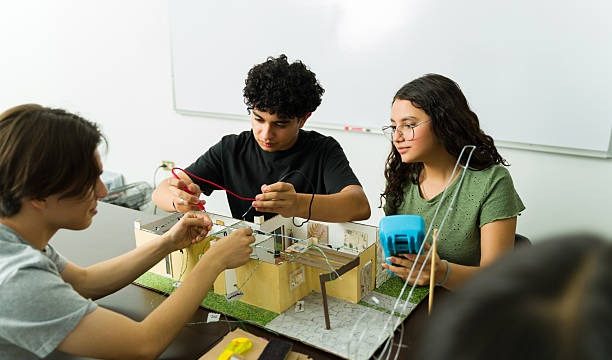
Hands-on projects can be a delightful way to engage students. These activities not only break the monotony of traditional learning but also cater to various learning styles. Whether it’s creating a model, crafting a presentation, or even staging a small play, allowing students to express their understanding creatively can ignite their passion for the subject matter.
Consider integrating arts and crafts into science or history lessons. For instance, students could create a diorama of a historical event or design an experiment that illustrates a scientific principle. These projects encourage them to think critically and collaborate with their classmates while having fun. The joy of creating can often lead to deeper learning and retention of information.
Inviting student-led discussions
Another way to enhance participation is by inviting students to lead discussions. This could be as simple as assigning a student to present on a topic they are passionate about or allowing them to facilitate a debate on a relevant issue. When students take the reins, they often feel a greater sense of ownership over their learning, which can motivate them to engage more fully.
This approach also teaches valuable skills such as public speaking, argumentation, and leadership. By providing guidance and support, you can help students prepare for their roles as discussion leaders, ensuring they feel confident and ready to share their insights with the class.
A nurturing approach to feedback
Feedback is crucial in any learning environment, and creating a culture of constructive feedback can significantly boost participation. Encourage students to provide feedback to one another in a respectful and supportive manner. This could be done through peer reviews or group reflections after a project or presentation.
Modeling how to give and receive feedback can help students understand the importance of this practice. When they see that feedback is not just about criticism but a pathway to growth, they may feel more inclined to participate actively. This nurturing approach fosters a sense of trust and camaraderie in the classroom, making it easier for students to express their thoughts and ideas.
Creating a safe space for vulnerability
To encourage active participation, it’s essential to cultivate an atmosphere where students feel safe to express their thoughts, even if they’re unsure. This means establishing a classroom culture that values vulnerability and embraces mistakes as part of the learning journey.
Sharing personal stories or experiences related to the lesson can help students connect on a deeper level. When they see their teacher being open and honest, they may feel more inclined to share their own experiences. This kind of emotional connection can transform the classroom into a supportive community where everyone feels they belong.
Incorporating technology thoughtfully
In our increasingly digital world, incorporating technology into classroom activities can engage students in innovative ways. Utilizing tools such as online discussion boards, multimedia presentations, or interactive quizzes can spark interest and encourage participation.
While technology should enhance learning experiences, it’s important to use it thoughtfully. Ensure that the tools you choose align with your educational goals and foster meaningful engagement. For instance, using a platform where students can collaboratively edit documents can promote teamwork and creativity while allowing their voices to be heard.
Encouraging reflection and self-assessment
Encouraging students to engage in reflection can significantly enhance their active participation. After completing a lesson or project, prompt them to think about what they learned, what they enjoyed, and what they found challenging. This can be done through journaling or group discussions.
Self-assessment helps students take ownership of their learning journey. When they reflect on their experiences, they become more aware of their strengths and areas for improvement. This awareness can motivate them to participate more actively, as they recognize the value of their contributions to the class.
Celebrating achievements, big and small
Finally, celebrating achievements, no matter how small, can motivate students to engage more fully. Recognizing their efforts and progress fosters a positive classroom environment. This could be as simple as a shout-out during class, displaying student work on a bulletin board, or even hosting a small celebration at the end of a unit.
When students see their hard work acknowledged, it reinforces the idea that participation is valued. This recognition can create a ripple effect, inspiring others to join in and contribute their unique perspectives.
As you explore these activities, remember that the goal is to create a classroom atmosphere that encourages active participation while nurturing a sense of community. By fostering collaboration, creativity, and reflection, you can inspire your students to engage more deeply with their learning journey. In doing so, you’ll not only enrich their educational experience but also help them develop skills that will serve them well beyond the classroom.