Creating a dynamic classroom environment can transform the learning journey for both teachers and students.
Lessons that engage the mind and heart foster a love for learning, making education not just a task but a delightful exploration.
When educators integrate thoughtful activities into their lesson plans, they create spaces where curiosity thrives and imagination flourishes. Let’s explore some classroom activities that can breathe new life into traditional lessons.
A gentle shift toward engagement
One of the simplest ways to make lessons more dynamic is to incorporate movement. Children naturally have an abundance of energy, and channeling that into learning can yield remarkable results. Activities like “gallery walks,” where students move around the classroom to view and discuss each other’s work, can create an interactive atmosphere. This not only allows students to express their creativity but also fosters collaboration and critical thinking as they engage with their peers’ ideas.
Role-playing is another activity that can bring lessons to life. Whether it’s reenacting a historical event or stepping into the shoes of a character from a novel, role-playing encourages students to think deeply and empathize with different perspectives. By embodying various roles, students can explore complex ideas in a safe environment, which can lead to richer discussions and a deeper understanding of the subject matter.
Creating connections through storytelling
Storytelling is a timeless method that can be beautifully integrated into any lesson. When educators weave narratives into their teaching, they create a tapestry of knowledge that students can relate to and remember. Sharing personal anecdotes or historical tales can spark interest and provide context for the material being studied.
Moreover, encouraging students to share their stories can foster a sense of belonging within the classroom. When students feel their voices are valued, they are more likely to engage actively in discussions. This can be particularly effective in subjects like literature or social studies, where personal connections can deepen comprehension and appreciation.
A small shift toward balance
Incorporating mindfulness activities can also enhance the learning experience. Simple practices such as guided breathing exercises or brief moments of silence can help students center themselves, making them more receptive to learning. Taking a few minutes to pause can refresh minds and create a calm atmosphere, allowing for more focused and productive lessons.
Additionally, integrating art into various subjects can provide a wonderful balance to traditional learning methods. For instance, allowing students to create visual representations of scientific concepts or historical events can enhance their understanding and retention of the material. Art encourages self-expression and can make complex ideas more accessible, bridging gaps between different learning styles.
Exploring the world outside the classroom
Field trips and outdoor learning experiences can also invigorate lessons. Stepping outside the classroom walls can help students see the practical applications of what they’re learning. Whether visiting a local museum, exploring a nearby park, or even conducting experiments outdoors, these experiences can make learning feel more relevant and exciting.
When educators take learning into the community, they also encourage students to engage with the world around them. This can nurture a sense of responsibility and curiosity about their environment, fostering a love for lifelong learning. Moreover, these excursions can often inspire discussions that extend beyond the classroom, allowing students to connect their academic experiences with real-world contexts.
The power of collaboration
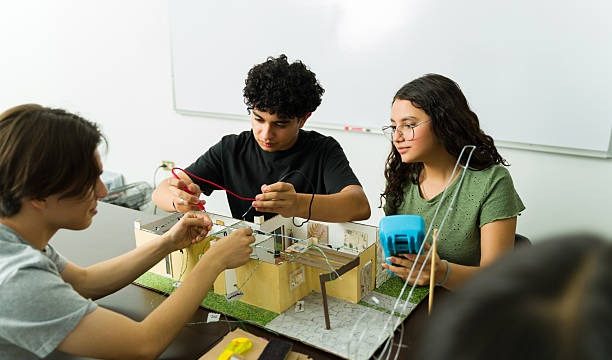
Group work is another effective way to make lessons more dynamic. Collaborative projects encourage students to communicate and share ideas, fostering teamwork and social skills. When students work together toward a common goal, they learn to appreciate diverse perspectives and develop problem-solving abilities.
To enhance group work, educators can introduce “jigsaw” activities, where each student becomes an expert on a specific part of a topic and then teaches it to their peers. This method not only promotes active participation but also allows students to take ownership of their learning. By breaking down complex subjects into manageable pieces, students can support each other in their quest for understanding.
Incorporating technology mindfully
In our increasingly digital world, integrating technology into the classroom can also make lessons more engaging. Interactive platforms and educational apps can provide unique opportunities for students to explore subjects in depth. For instance, using virtual reality to simulate historical events or scientific phenomena can create immersive learning experiences that capture students’ imaginations.
However, it’s essential to approach technology with mindfulness. Balancing screen time with hands-on activities ensures that students remain engaged without becoming overly reliant on devices. Encouraging creativity through digital storytelling or multimedia presentations can allow students to blend technology with traditional learning methods, creating a rich tapestry of experiences.
Nurturing a culture of curiosity
Ultimately, the key to dynamic lessons lies in nurturing a culture of curiosity and exploration. Creating an environment where questions are welcomed and exploration is encouraged can lead to deeper learning experiences. Teachers can model curiosity by sharing their interests and inviting students to pursue their passions within the curriculum.
This approach not only makes lessons more dynamic but also empowers students to take charge of their learning journey. When students feel free to explore, inquire, and innovate, they are more likely to develop a lifelong love for learning.
As educators embrace these activities and approaches, they contribute to a classroom atmosphere that values engagement, creativity, and collaboration. By making lessons more dynamic, we can inspire students to become not just learners, but passionate explorers of the world around them. With each small shift, educators can cultivate an enriching environment that nurtures both the mind and spirit, leading to a brighter future for all.