In today’s fast-paced educational landscape, creating strong learning habits is essential for students to thrive.
Simple classroom activities can play a significant role in nurturing these habits, helping learners to develop a love for knowledge while also fostering essential skills.
By integrating engaging and thoughtful activities into the daily routine, educators can create an environment that encourages curiosity and resilience.
One of the most effective ways to promote strong learning habits is through the power of routine. Establishing a consistent daily schedule allows students to know what to expect and prepares them mentally for the day ahead. This structure provides a sense of security and enables them to focus better on their tasks. For instance, starting each day with a brief morning meeting can create a space for students to share their thoughts, set intentions, and build connections with one another. This simple act not only cultivates community but also encourages students to take ownership of their learning.
Creating a culture of reflection is another impactful strategy. When students regularly take time to think about what they’ve learned, they solidify their understanding and identify areas for growth. One gentle way to incorporate reflection is through journaling. Providing students with a few moments at the end of each day to jot down their thoughts can be transformative. They might reflect on what they enjoyed, what challenged them, or what they’re curious about moving forward. This practice not only enhances self-awareness but also helps students develop critical thinking skills.
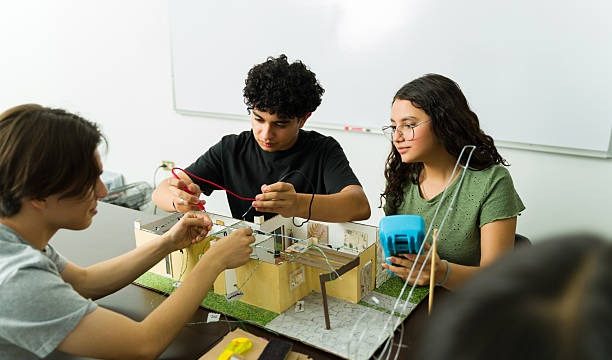
Encouraging collaboration among students is a wonderful way to foster a sense of belonging and shared responsibility for learning. Group activities can take many forms, from collaborative projects to peer teaching. When students work together, they learn to communicate effectively, share diverse perspectives, and support one another in the learning process. A simple activity, like having students pair up to explain a concept they’ve just learned, not only reinforces their understanding but also builds their confidence in expressing ideas.
Incorporating movement into the classroom can also be a delightful way to enhance focus and engagement. Research suggests that physical activity can improve cognitive function, making it easier for students to absorb information. Gentle movement breaks, such as stretching or a quick walk around the classroom, can reinvigorate students’ minds and bodies. These moments of physical activity can serve as a reset, allowing students to return to their tasks with renewed energy and clarity.
A small shift toward balance in the classroom can also involve fostering creativity. Encouraging students to express their understanding through art, music, or drama can deepen their learning experience. For example, after studying a particular historical event, students might create a skit or draw a scene that encapsulates the essence of that time. This not only allows them to engage with the material in a unique way but also nurtures their creative abilities, which are essential for problem-solving in the real world.
Another meaningful activity is the practice of goal-setting. Guiding students to set personal learning goals can empower them to take charge of their education. This process can be as simple as asking them to identify one skill they want to improve or a topic they wish to explore further. By regularly checking in on these goals, students learn to track their progress and celebrate their achievements. This sense of accomplishment reinforces positive learning habits and encourages a growth mindset.
Creating a reading corner or a cozy nook for quiet study can also enhance the learning environment. A space filled with inviting books and comfortable seating can inspire students to delve into literature and explore new ideas. Encouraging daily reading not only improves literacy skills but also opens up new worlds for students. Whether they choose fiction or non-fiction, reading allows students to engage their imaginations and develop empathy through the stories of others.
Incorporating technology thoughtfully can also help in building strong learning habits. Digital tools can provide students with opportunities for self-directed learning, enabling them to explore topics that pique their interest. Online resources, educational games, and interactive platforms can make learning more engaging and accessible. However, it’s essential to balance screen time with hands-on activities to ensure a well-rounded approach to education.
Fostering a sense of curiosity is at the heart of developing lifelong learners. Encouraging students to ask questions and pursue their interests can ignite a passion for discovery. Inquiry-based learning, where students are guided to explore topics through their own questions, can be incredibly enriching. Teachers can create a safe space for inquiry by modeling curiosity themselves, demonstrating the joy of exploration and the importance of seeking answers.
As we consider these various activities, it’s important to remember that building strong learning habits is a journey. Each student is unique, and what resonates with one might not resonate with another. The key lies in creating an inclusive environment where every student feels valued and supported in their learning process. By embracing flexibility and nurturing each child’s individual strengths, educators can help cultivate a classroom culture that celebrates growth and resilience.
Ultimately, the goal of these simple classroom activities is to empower students to become self-directed learners who are confident in their abilities and excited about their futures. By integrating reflection, collaboration, creativity, and curiosity into everyday practices, educators can lay the foundation for strong learning habits that will serve students throughout their lives. In this nurturing environment, students will not only thrive academically but also develop the skills and attributes that will help them navigate the world beyond the classroom.