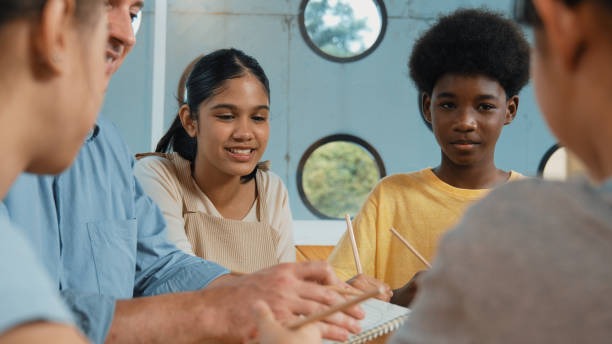
In the ever-evolving landscape of education, fostering creativity and critical thinking in young minds has become a fundamental goal for teachers and parents alike.
Classroom projects designed for young thinkers not only ignite curiosity but also lay the groundwork for lifelong learning.
Engaging in hands-on activities encourages children to explore, ask questions, and develop problem-solving skills in a supportive environment.
Creating an environment that nurtures young thinkers begins with understanding their unique perspectives. Children are naturally inquisitive, often viewing the world through a lens of wonder and imagination. This innate curiosity can be harnessed through thoughtful classroom projects that encourage exploration and collaboration. Whether it’s a science experiment, an art project, or a community service initiative, the right project can help children connect with their interests and the world around them.
One delightful way to inspire young thinkers is through nature-based projects. Bringing the outdoors into the classroom can be a transformative experience. For instance, growing a small garden allows children to witness the life cycle of plants firsthand. They can learn about ecosystems, the importance of biodiversity, and even the science behind photosynthesis. This project not only teaches them essential scientific concepts but also fosters a sense of responsibility as they care for their plants. Watching their efforts come to fruition gives children a sense of accomplishment and connection to nature.
Incorporating arts and crafts into classroom projects is another wonderful avenue for creativity. Young children often express themselves through art, and projects that allow them to explore different mediums can be incredibly fulfilling. Consider a collaborative mural that reflects the students’ shared experiences and dreams. This not only encourages teamwork but also helps them develop a deeper understanding of community and self-expression. As they work together to create something beautiful, they learn valuable lessons about collaboration, compromise, and the joy of creating something meaningful.
The integration of technology in classroom projects can also inspire young thinkers. In today’s digital age, children are often fascinated by gadgets and technology. Projects that incorporate coding or robotics can engage their minds in new and exciting ways. For instance, a simple project could involve programming a small robot to navigate a maze. This hands-on experience introduces them to coding principles while also enhancing their problem-solving skills. The thrill of seeing their robot successfully complete the maze provides a sense of achievement and encourages further exploration in the realm of technology.
Encouraging young thinkers to engage with their local community can also be a powerful learning experience. Projects that involve community service not only teach empathy and social responsibility but also allow children to see the impact of their actions. Organizing a food drive or participating in a local clean-up can instill a sense of pride in their community and highlight the importance of giving back. These projects foster a sense of belonging and connection, helping children understand their role in the larger tapestry of society.
As children embark on these various projects, it’s vital to create an atmosphere that celebrates curiosity and learning from failure. Encouraging a growth mindset allows young thinkers to view challenges as opportunities for growth rather than obstacles. When they face setbacks in their projects, guiding them to reflect on what they learned rather than focusing solely on the outcome can help them develop resilience. This approach nurtures their ability to think critically and adapt, skills that are invaluable as they navigate their educational journeys.
Incorporating storytelling into classroom projects can also enhance engagement and creativity. Children love stories, and weaving narratives into projects can make learning more relatable and enjoyable. For instance, a history project could involve researching a historical figure and then presenting their findings through a creative storytelling format. This not only deepens their understanding of the subject matter but also allows them to develop their communication skills in a fun and imaginative way.
As we look at the importance of emotional intelligence in education, incorporating social-emotional learning (SEL) into classroom projects can be incredibly beneficial. Projects that encourage reflection on feelings, relationships, and teamwork can help children develop empathy and interpersonal skills. For example, a project that involves role-playing different scenarios can help children navigate social situations and understand diverse perspectives. This skill set is essential for their overall well-being and future interactions.
The role of educators in facilitating these projects cannot be overstated. A supportive teacher who encourages exploration and creativity can make all the difference in a child’s learning experience. By fostering a safe space where children feel comfortable expressing their ideas and opinions, educators can inspire young thinkers to explore their passions and interests. Teachers can guide discussions, provide resources, and help children connect their projects to real-world contexts, enhancing their understanding and engagement.
As we embrace the journey of nurturing young thinkers, it’s essential to remember that the aim is not only to impart knowledge but also to cultivate a love for learning. Classroom projects designed for young thinkers should be a celebration of creativity, curiosity, and collaboration. By providing opportunities for exploration and self-expression, we can help children develop the skills they need to thrive in an ever-changing world.
Ultimately, the goal is to inspire a generation of lifelong learners who are equipped to tackle the challenges of tomorrow. As we support young thinkers in their educational journey, let us foster an environment where they feel empowered to ask questions, seek answers, and embrace the joy of discovery. With the right projects, we can help them build a foundation for a bright and promising future, one filled with endless possibilities.