In our fast-paced digital age, the flow of information is constant and often overwhelming.
Social media feeds, news websites, and various online platforms bombard us with content, making it crucial that we develop a keen sense of media literacy.
This skill is not just about discerning fact from fiction; it’s about fostering a deeper understanding of the world around us and building stronger, more resilient communities.
The essence of media literacy lies in its ability to empower individuals. When we cultivate an awareness of how media shapes our perceptions, we become more critical consumers of information. This does not mean we need to be skeptical of everything; rather, it encourages us to engage thoughtfully with the content we encounter. By asking questions, we can better understand the motivations behind the media we consume and how it influences our beliefs and behaviors.
A small shift toward balance can significantly impact our interactions within our communities. When individuals are equipped with the tools to analyze and interpret media, they are more likely to engage in constructive dialogue. This is particularly important in times of division or conflict. Instead of reacting impulsively to sensational headlines, media-literate individuals can navigate discussions with patience and understanding. They can bring a sense of calm to heated debates, focusing on common ground rather than differences.
Community engagement thrives on informed citizens. When people possess a solid understanding of media literacy, they can better participate in local issues, from community planning to public health initiatives. They can discern credible sources of information, which is vital in making informed decisions that affect their lives and the lives of those around them. For example, during local elections, a media-literate individual can critically evaluate candidates’ platforms and the information presented about them, leading to more thoughtful voting choices.
Moreover, media literacy encourages us to share responsibly. In a world where misinformation can spread like wildfire, understanding the importance of verifying information before passing it along is crucial. Each of us has the power to influence our circles—friends, family, and social media followers. By committing to share only accurate and well-sourced information, we can contribute to a healthier information ecosystem. This ripple effect can strengthen community bonds, creating an environment where trust and collaboration flourish.
As we engage with media, it’s essential to recognize the diverse perspectives that exist within our communities. Media literacy invites us to explore various viewpoints and understand the context behind them. This exploration fosters empathy, which is vital for community cohesion. When we take the time to listen to different narratives, we not only broaden our understanding but also validate the experiences of others. This validation nurtures a sense of belonging and mutual respect, reinforcing the foundation of a strong community.
Building media literacy is not solely an individual endeavor; it is a collective journey. Communities can come together to create workshops, discussion groups, or educational programs focused on media literacy. These initiatives can serve as platforms for sharing experiences and insights, allowing participants to learn from one another. The collaborative nature of such programs can strengthen community ties while equipping individuals with essential skills for navigating the media landscape.
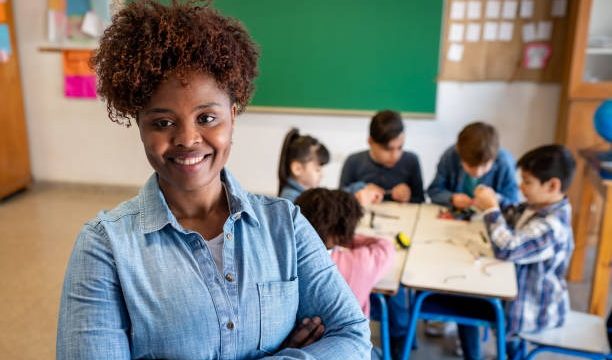
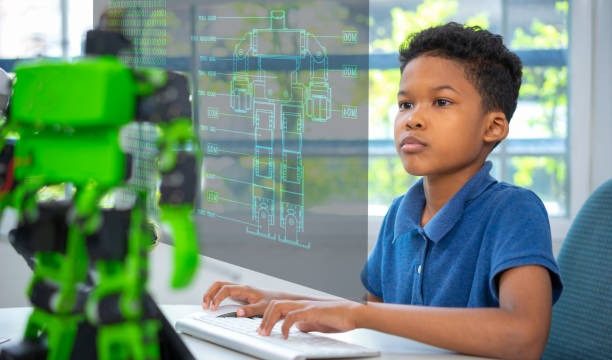
Incorporating media literacy into educational settings is another powerful way to build stronger communities. Schools play a critical role in shaping future generations, and teaching students how to critically engage with media can have long-lasting effects. By integrating media literacy into the curriculum, educators can empower students to think critically about the information they encounter daily. This not only prepares them for responsible citizenship but also encourages them to become proactive participants in their communities.
As adults, we can also be role models for the younger generation. By demonstrating media literacy in our everyday lives, we inspire others to adopt similar practices. Engaging in thoughtful discussions about media, sharing our own learning journeys, and encouraging curiosity can all spark interest in media literacy. The more we prioritize these conversations, the more we create a culture that values informed dialogue and critical thinking.
In a world that often feels fragmented, media literacy serves as a bridge, connecting individuals and fostering understanding. By championing this skill within our communities, we can work toward a shared vision of a more informed and engaged society. It’s about creating spaces where everyone feels valued and heard, and where dialogue leads to growth and connection.
As we navigate this complex media landscape, let us remember that we are not just consumers of information; we are active participants in shaping our communities. By honing our media literacy skills, we can contribute to a culture of respect, empathy, and collaboration. Together, we can build stronger, more resilient communities—ones that are prepared to face challenges with a united front and a shared commitment to truth and understanding.
In conclusion, media literacy is more than an individual skill; it’s a communal asset. As we invest in our ability to understand and engage with media, we pave the way for healthier conversations and deeper connections. Through awareness, empathy, and responsible sharing, we can turn the tide in our communities, fostering resilience and unity in the face of a rapidly changing world. Let’s embrace this journey together, for the strength of our communities lies in our collective understanding and support of one another.