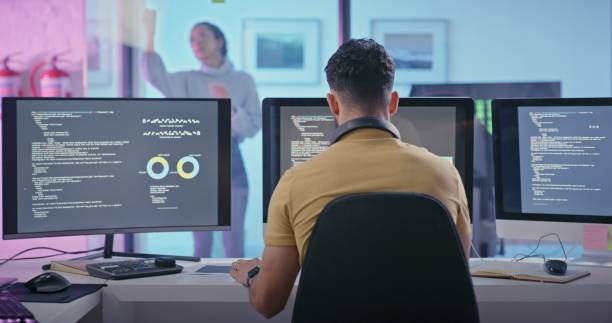
Writing code can often feel like a dance—a delicate balance of creativity and logic, where each keystroke brings you closer to a harmonious solution.
Yet, just like any art form, there are ways to refine your technique and elevate your craft.
Whether you’re a seasoned developer or just starting out, the journey to writing better code can be both fulfilling and transformative. Here are some practical tips to help you along the way.
Creating a thoughtful environment
First and foremost, consider the environment in which you write your code. A cluttered workspace can lead to a cluttered mind, making it harder to focus and think clearly. Take a moment to tidy up your physical and digital spaces. Organize your files, close unnecessary tabs, and eliminate distractions. A serene environment can foster creativity and clarity, allowing your ideas to flow more freely.
Finding your rhythm
Just as a musician finds their rhythm, you too can benefit from establishing a routine. Consistency has a way of nurturing creativity. Set aside dedicated time blocks for coding, free from interruptions. This can help you enter a flow state, where your ideas can develop without the constant pull of external distractions. Finding your rhythm means you can immerse yourself more deeply in your project, leading to more thoughtful and refined code.
Embracing simplicity
In the world of coding, simplicity is a virtue. It’s easy to get caught up in complex solutions that may seem impressive but can be difficult to maintain. Strive for clarity in your code. Aim to write functions and methods that are easy to understand at a glance. This not only makes your code more accessible to others but also to your future self. When you revisit your work down the line, clear and simple code will make it easier to pick up where you left off.
A small shift toward balance
As you navigate through your coding journey, remember that balance is key. It’s tempting to focus solely on the technical aspects, but don’t overlook the importance of soft skills. Communication is crucial, especially in team environments. Take the time to explain your thought process and be open to feedback. Engaging with others can provide new perspectives and insights that enrich your coding experience.
The art of testing
Testing is an essential aspect of writing better code. It’s like a safety net that ensures your work functions as intended. Incorporate testing into your routine, viewing it not as a chore but as a valuable part of the creative process. Write tests alongside your code, and run them regularly. This practice can help you catch bugs early and refine your logic, leading to a more robust final product.
Cultivating curiosity
Curiosity is a powerful catalyst for growth. Allow yourself to explore new languages, frameworks, and tools. Attend workshops or online courses, and engage with the coding community through forums and meetups. By expanding your horizons, you not only enhance your skill set but also keep your passion for coding alive. Embrace the joy of learning, and let your curiosity guide you toward new challenges and opportunities.
The beauty of documentation
Documentation is often overlooked but is fundamental to writing better code. Think of it as a roadmap for both yourself and others who may encounter your work. Take the time to document your code clearly and thoroughly. Explain the purpose of functions, the logic behind decisions, and any assumptions you’ve made. This practice not only aids collaboration but also serves as a helpful reference when you revisit your code in the future.
Nurturing patience
Coding can be a test of patience. It’s not uncommon to encounter roadblocks or moments of frustration. During these times, it’s essential to cultivate patience. Step away if you need to, allowing your mind to reset. A fresh perspective can often reveal solutions that were previously obscured by frustration. Remember, every coder faces challenges; it’s part of the journey. Embrace the process, and don’t be too hard on yourself.
Building a supportive network
Surrounding yourself with a supportive network can be incredibly beneficial. Whether it’s fellow developers, mentors, or online communities, having a space to share ideas and seek guidance can enhance your learning experience. Engage with others who share your passion for coding, and don’t hesitate to ask for help when needed. A strong support system can provide motivation, feedback, and encouragement as you navigate your coding journey.
Reflecting on your progress
As you continue to develop your coding skills, take time to reflect on your progress. Celebrate the milestones, no matter how small. Each line of code you write is a step forward in your journey. Reflecting on what you’ve learned and accomplished can help you appreciate the growth you’ve experienced, motivating you to keep pushing forward.
The joy of creativity
At its core, coding is a form of creative expression. Allow yourself to enjoy the process. Experiment with new ideas, and don’t be afraid to take risks. Sometimes, the best solutions come from thinking outside the box. Embrace the joy that comes with creating something unique, and let that spark your passion for coding.
In conclusion, writing better code is a journey filled with opportunities for growth, creativity, and connection. By nurturing a thoughtful environment, embracing simplicity, and cultivating curiosity, you can enhance your skills and find joy in the process. Remember to be patient with yourself, seek support, and celebrate your progress. As you continue to refine your craft, let the art of coding become a fulfilling aspect of your life—one that inspires you to keep learning and creating.