Creating Memorable Learning Experiences Through Projects
Learning is a journey, not a destination.
It’s a process that flourishes best when it is engaging and relevant.
One of the most effective ways to foster this engagement is through project-based learning. This approach transforms traditional education methods into vibrant, hands-on experiences that leave a lasting impression. By integrating projects into learning, we can create memorable experiences that resonate with students long after they leave the classroom.
The beauty of project-based learning lies in its ability to bridge theory and practice. Instead of passively absorbing information, students become active participants in their education. They explore real-world problems, collaborate with peers, and cultivate skills that are essential in today’s world. This method not only enhances understanding but also ignites a passion for learning that can last a lifetime.
When students engage in projects, they often find themselves immersed in a subject matter that captivates their interests. Whether it’s building a model of a sustainable city, designing a community garden, or creating a documentary on local history, the possibilities are endless. These projects allow learners to delve into topics that resonate with them personally, making the learning experience more meaningful. The excitement that comes from seeing their ideas come to life fosters a sense of ownership and pride in their work.
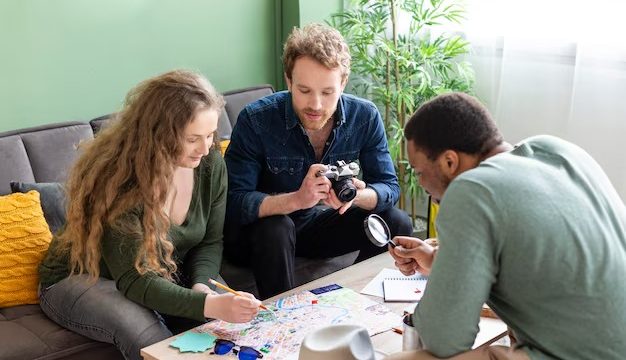
A gentle shift toward collaboration can further enrich these learning experiences. Working in groups encourages students to share ideas, learn from one another, and develop essential social skills. They learn to communicate effectively, negotiate solutions, and appreciate diverse perspectives. This collaborative spirit not only enhances the project itself but also builds a supportive learning community where everyone feels valued.
Additionally, project-based learning nurtures critical thinking and problem-solving abilities. Students are often faced with challenges that require them to think creatively and adaptively. For instance, when tasked with designing an environmentally friendly product, they must research materials, consider manufacturing processes, and evaluate the impact on the planet. This kind of hands-on problem-solving encourages learners to approach challenges with an open mind, preparing them for real-life situations that demand innovative solutions.
Incorporating reflection into the learning process can also deepen understanding. After completing a project, it’s beneficial for students to take a moment to reflect on their experiences. What went well? What could have been improved? How did they work as a team? This reflective practice not only solidifies their learning but also encourages a growth mindset. Students begin to see challenges as opportunities for growth rather than obstacles to overcome.
The integration of technology can enhance project-based learning, providing students with tools that expand their creative possibilities. Whether it’s using design software to create a presentation, leveraging online resources for research, or utilizing social media to share their findings, technology can amplify the impact of their projects. This not only prepares students for the digital world but also makes the learning experience more dynamic and engaging.
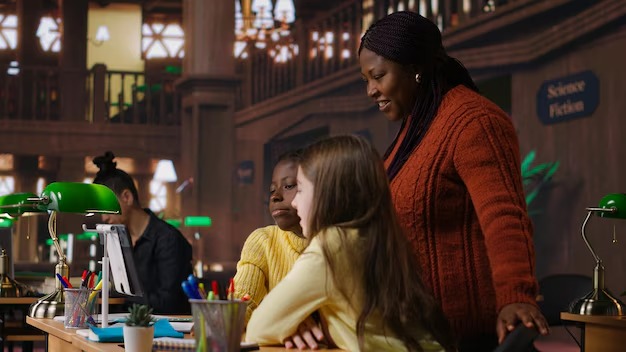
Creating a supportive environment is crucial for fostering memorable learning experiences. Teachers play an essential role in guiding students through their projects, providing encouragement, and facilitating discussions. A nurturing atmosphere allows learners to take risks, express their ideas, and explore their creativity without fear of judgment. When students feel safe and supported, they are more likely to engage wholeheartedly in their projects, leading to richer outcomes.
Beyond the classroom, project-based learning can extend into the community. When students connect their projects to real-world issues, they gain a deeper understanding of their surroundings. Collaborating with local organizations, conducting interviews, or participating in community events can enrich their learning experiences. This connection not only enhances their projects but also helps them develop a sense of social responsibility. They begin to see themselves as active contributors to their communities, fostering a lifelong commitment to making a positive impact.
As we strive to create memorable learning experiences, it’s essential to embrace flexibility. Every student is unique, and their learning styles may vary. Offering options within projects allows learners to explore their interests and strengths. Some may thrive in hands-on activities, while others may prefer research or artistic expression. By honoring these differences, we create an inclusive environment that celebrates diversity and fosters a love for learning.
Ultimately, the goal of project-based learning is to inspire curiosity and ignite a passion for lifelong learning. When students are actively engaged in their education, they are more likely to retain information and apply it in real-world contexts. The skills they develop through projects—critical thinking, collaboration, creativity—are invaluable, paving the way for future success in both academic and personal endeavors.
In conclusion, creating memorable learning experiences through projects is a powerful approach that can transform education. By fostering engagement, collaboration, and critical thinking, we empower students to take charge of their learning journeys. As they immerse themselves in hands-on projects, they develop not only knowledge but also the skills and confidence to navigate the complexities of the world around them. Embracing this approach invites a new era of learning—one that is vibrant, meaningful, and unforgettable. Let’s champion project-based learning and watch as our students flourish in ways we could only imagine.