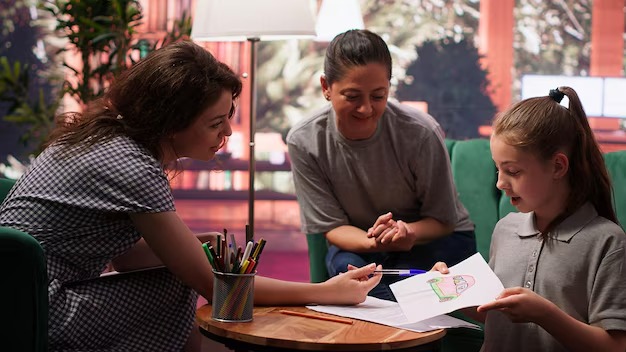
In the realm of education, the traditional classroom often evokes images of desks in neat rows, a teacher at the front delivering knowledge, and students passively absorbing information.
However, a refreshing shift is taking place.
Inquiry-based classrooms are emerging as vibrant spaces where exploration and curiosity reign supreme. This transformation not only makes learning more engaging but also nurtures a sense of wonder that can last a lifetime.
At the heart of inquiry-based learning lies a simple yet profound idea: students learn best when they are actively involved in their education. This approach encourages learners to ask questions, seek answers, and explore topics that genuinely interest them. Instead of merely memorizing facts, students embark on a journey of discovery, developing critical thinking skills that will serve them well beyond the classroom walls.
Creating an inquiry-based classroom is akin to cultivating a garden. Just as a gardener provides the right conditions for plants to flourish, educators must foster an environment where curiosity can thrive. This involves not only physical space but also a mindset shift. Teachers can encourage students to take ownership of their learning by providing opportunities for exploration, whether through hands-on activities, collaborative projects, or open-ended questions that spark discussion.
A gentle nudge toward independence is often all it takes to ignite a spark of curiosity. When students feel empowered to pursue their interests, they are more likely to engage deeply with the material. This can be as simple as allowing them to choose a project topic that resonates with their passions or encouraging them to formulate their own questions about a subject. By doing so, educators create a sense of agency, inviting students to become active participants in their own learning journeys.
The beauty of inquiry-based classrooms lies in their ability to cater to diverse learning styles. Each student brings unique perspectives and strengths to the table, and inquiry-based learning embraces this diversity. Visual learners might thrive in projects that incorporate art or design, while kinesthetic learners may flourish in hands-on experiments. By allowing students to explore topics in ways that resonate with them, educators can create a rich tapestry of learning experiences that benefit everyone.
Collaboration is another cornerstone of inquiry-based learning. When students work together, they not only share ideas but also learn to communicate effectively and appreciate different viewpoints. This cooperative spirit fosters a sense of community within the classroom, where students feel safe to express their thoughts and take intellectual risks. In this supportive environment, mistakes become valuable learning opportunities rather than setbacks, further encouraging exploration.
It’s essential to remember that inquiry-based learning is not about abandoning structure altogether. Rather, it’s about finding the right balance between guidance and freedom. Teachers play a crucial role in facilitating this process, providing support while allowing students the space to explore. This might involve asking probing questions that encourage deeper thinking or offering resources that can help students pursue their interests more effectively. The goal is to create a dynamic interplay between teacher and student, where both parties contribute to the learning experience.
As students engage in inquiry-based learning, they often find themselves drawn to real-world connections. This approach naturally lends itself to interdisciplinary studies, where subjects like science, history, and art intertwine. For instance, a project exploring local ecosystems might lead students to investigate the history of their community or the artistic representation of nature. Such connections not only enhance learning but also help students see the relevance of their education in their everyday lives.
A small shift toward balance can also be found in the way assessments are approached in inquiry-based classrooms. Traditional testing methods may not always capture the depth of understanding that students achieve through exploration. Instead, educators can employ alternative assessment strategies, such as portfolios, presentations, or reflective journals. These methods allow students to showcase their learning in ways that feel authentic and meaningful, reinforcing the idea that education is a personal journey rather than a competition.
As the landscape of education continues to evolve, the importance of fostering inquiry-based classrooms cannot be overstated. The skills and attitudes cultivated through this approach—curiosity, critical thinking, collaboration—are essential in preparing students for an ever-changing world. In a society that increasingly values innovation and adaptability, nurturing these qualities in young learners is a gift that will serve them well in their future endeavors.
Ultimately, inquiry-based classrooms are about more than just academic achievement. They are spaces where students can explore their identities, passions, and interests. As they engage in meaningful learning experiences, they develop a sense of self and a lifelong love of learning. This holistic approach not only enriches their educational journey but also contributes to their overall well-being.
In conclusion, inquiry-based classrooms represent a beautiful blend of structure and freedom, guidance and exploration. By nurturing curiosity and encouraging students to take charge of their learning, educators can create environments that inspire a passion for discovery. As we embrace this evolving approach to education, we also embrace the potential for a brighter future—one where exploration is not just encouraged but celebrated. In a world that thrives on curiosity, the inquiry-based classroom stands as a beacon of hope, illuminating the path for generations to come.