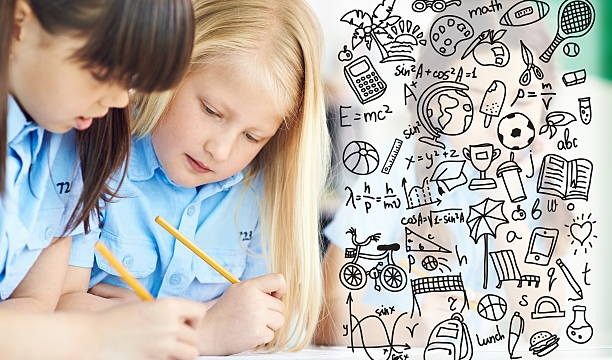
As children’s first formal introduction to education, kindergarten plays a crucial role in laying the foundation for future learning.
Among the many skills nurtured during these early years, math skills are particularly vital.
Math is not just about numbers; it’s a way of thinking, a means of problem-solving, and a pathway to understanding the world around us. With the right activities, you can make learning math both enjoyable and engaging for young learners.
Creating a joyful environment for early math exploration is essential. Children often learn best when they are immersed in playful experiences that encourage curiosity and creativity. Incorporating math into daily activities can transform the mundane into a delightful learning opportunity.
A gentle introduction to counting can begin with everyday routines. For instance, counting the number of steps taken to reach the front door or the number of apples in a bowl can seamlessly weave math into the fabric of daily life. This approach not only fosters a sense of awareness but also helps children understand that numbers are everywhere, waiting to be discovered.
In the realm of play, you might consider using building blocks. These colorful structures provide a tactile way to explore concepts of size, shape, and quantity. When children stack blocks, they can practice counting as they build taller towers, experimenting with balance and stability. This kind of hands-on activity encourages them to visualize numbers and understand basic mathematical principles without the pressure of formal instruction.
Exploring patterns is another engaging activity that can be easily integrated into playtime. Using everyday items like beads, buttons, or even natural materials such as leaves and stones, children can create their own sequences. This not only sharpens their observational skills but also lays the groundwork for more complex mathematical concepts they will encounter later on. Recognizing and creating patterns is a fundamental skill that can enhance logical thinking.
Incorporating art into math activities can also be a wonderful way to engage young minds. Consider organizing a simple art project where children create their own shapes using colored paper. As they cut and glue, they can explore concepts of geometry while expressing their creativity. This intersection of art and math not only makes learning fun but also allows children to see the beauty in mathematical concepts.
Outdoor activities can also provide rich opportunities for math exploration. A nature scavenger hunt, for instance, encourages children to count items they find, such as flowers, rocks, or leaves. This kind of adventure not only promotes physical activity but also reinforces counting and observation skills. The fresh air and natural surroundings can make the learning experience even more enjoyable, fostering a deeper connection to nature and numbers.
Storytime can also be infused with math concepts. Picture books that incorporate counting, shapes, or even simple addition and subtraction can be a delightful way to introduce math in a narrative context. Stories can help children relate math to real-life situations, making abstract concepts more tangible. Engaging with characters in a story while discussing their adventures can inspire children to think critically about numbers and how they relate to the world.
Cooking together can serve as another practical way to enhance early math skills. Measuring ingredients, counting items like eggs or cups, and discussing concepts like “half” or “whole” can create a rich learning experience. This not only provides a sensory experience but also encourages children to see math as a functional part of their daily lives. Plus, the delicious results can be a delightful reward for their efforts.
Transitioning from playful activities to more structured learning can be a natural progression. Using simple worksheets or math games can help solidify the skills they have explored through play. However, it’s essential to keep this aspect light and engaging, ensuring that children remain excited about their learning journey. Games that involve matching numbers with objects or simple puzzles can provide a gentle introduction to more formal math concepts while keeping the atmosphere relaxed and enjoyable.
In addition to structured activities, fostering a positive attitude toward math is crucial. Encouraging a growth mindset can help children develop resilience in the face of challenges. Celebrating small successes and emphasizing effort over perfection can create an environment where children feel safe to explore, make mistakes, and learn from them. This supportive atmosphere can instill a lifelong love for learning and curiosity.
As parents and educators, it’s important to remember that every child learns at their own pace. Some children may grasp concepts quickly, while others might need more time to explore and understand. Patience and encouragement can go a long way in nurturing a child’s mathematical journey. It’s about the process of learning, not just the end result.
Creating a rich tapestry of experiences that weave math into daily life can set the stage for a child’s future success. By embracing the joy of learning through play, exploration, and creativity, we can help children build a strong foundation in math. This foundation not only prepares them for future academic challenges but also empowers them to approach the world with confidence and curiosity.
As we guide young learners through their early math experiences, let’s celebrate the small victories and cherish the moments of discovery. The skills they develop now will serve them well in the years to come, fostering a sense of wonder and a lifelong journey of learning. In this nurturing environment, math becomes not just a subject to be studied but a lens through which children can view and understand their world.