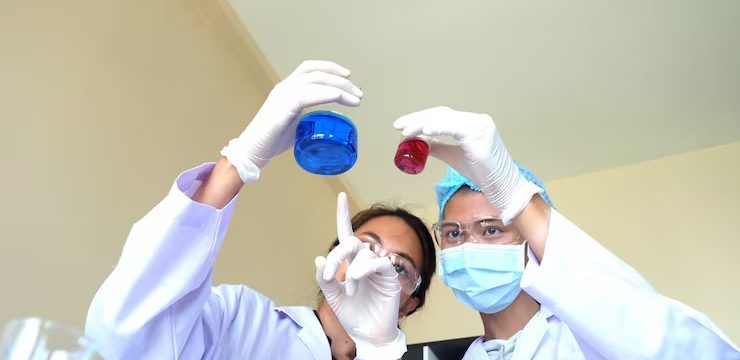
In the grand tapestry of life, the smallest threads often weave the most intricate patterns.
Microbes, those tiny organisms invisible to the naked eye, play an essential role in maintaining the balance of our natural world.
From the soil beneath our feet to the oceans that cradle our planet, these microscopic entities contribute to a healthy ecosystem in ways that are both fascinating and vital.
A small shift toward balance
Microbes are everywhere, thriving in diverse environments, from the depths of the ocean to the highest mountains. They are the unseen caretakers of our planet, supporting life in ways that many of us might not even realize. These tiny organisms are not only responsible for the decomposition of organic matter but also play a crucial role in nutrient cycling. Through their actions, they help convert dead plants and animals into essential nutrients that nourish the soil. This process is fundamental for plant growth and, consequently, for the food chain that sustains us all.
In the soil, beneficial microbes form symbiotic relationships with plants. They help plants absorb water and nutrients more efficiently, creating a harmonious exchange that supports both parties. This partnership is not just beneficial for the plants; it also enhances soil health, making it more resilient to environmental changes. Healthy soil, enriched by microbial activity, can better withstand drought, floods, and other challenges posed by climate change.
Microbes also contribute to the air we breathe. Certain types of bacteria in the soil and oceans produce oxygen as a byproduct of their metabolic processes. In fact, it is estimated that a significant portion of the oxygen we rely on comes from marine microbes, particularly phytoplankton. These tiny organisms may be small, but their impact is monumental, underscoring the interconnectedness of life on Earth.
The intricate web of life
Beyond their role in nutrient cycling and oxygen production, microbes are fundamental players in the complex web of life. They participate in various ecological processes, including nitrogen fixation. Certain bacteria can convert atmospheric nitrogen into a form that plants can use, enriching the soil and promoting healthy growth. This process is vital for agriculture, as it helps sustain food production for a growing global population.
Microbes also help control disease in plants and animals. By outcompeting harmful pathogens for resources or producing substances that inhibit their growth, beneficial microbes act as a natural defense system. The balance they maintain within ecosystems can prevent outbreaks of disease, ensuring that populations of plants and animals remain healthy and vibrant. This natural form of pest control is a reminder of the elegance of nature’s design, where harmony is achieved without the need for synthetic interventions.
Microbes in our bodies
Interestingly, the role of microbes extends beyond the environment; they are also present within us. Our bodies are home to trillions of microbes, forming what is known as the microbiome. This diverse community of bacteria, fungi, and viruses plays a critical role in our health, influencing everything from digestion to immune function. A balanced microbiome can enhance our well-being, while an imbalance may lead to various health issues.
The relationship we have with our microbial companions is a reflection of the larger balance found in nature. Just as ecosystems thrive on diversity and interconnectedness, our bodies benefit from a rich variety of microbes. This highlights the importance of nurturing not only the environment around us but also the delicate ecosystems within us.
Creating a harmonious environment
As we become more aware of the importance of microbes in maintaining balance, it is essential to consider how our actions impact these tiny organisms. Practices such as sustainable farming, responsible waste management, and reducing chemical inputs can help protect the microbial communities that are vital to our ecosystems. By supporting organic farming methods and minimizing the use of pesticides, we can foster healthier soils and promote biodiversity.
In our daily lives, we can also embrace habits that encourage a balanced microbiome. Eating a diverse diet rich in fruits, vegetables, whole grains, and fermented foods can support the growth of beneficial microbes within us. This simple shift not only enhances our health but also mirrors the natural balance we see in the world around us.
The beauty of interdependence
Ultimately, the story of microbes is a testament to the beauty of interdependence. These tiny organisms remind us that every part of our ecosystem, no matter how small, plays a crucial role in maintaining the delicate balance of life. By recognizing their importance, we can cultivate a deeper appreciation for the interconnectedness of all living things.
As we navigate our lives, let us remember that caring for our environment and nurturing our own well-being are intertwined. By fostering the health of microbes in both the soil and our bodies, we contribute to a more balanced world. This gentle reciprocity between humans and nature is a reminder that we are all part of a larger story, one that is constantly evolving yet remains beautifully interconnected.
In this journey toward balance, let us embrace the wisdom of nature and the lessons that microbes have to offer. Their presence is a quiet yet powerful force, reminding us that even the smallest beings can have a profound impact on the world we inhabit. By nurturing these relationships, we can create a more harmonious existence for ourselves and the planet we call home.