Geography in Everyday Life
As we move through our daily routines, the world around us shapes our experiences in ways we often overlook.
Geography, the study of places and the relationships between people and their environments, plays a subtle yet profound role in our lives.
From the air we breathe to the roads we travel, geography influences our choices and interactions. Understanding this connection can enhance our appreciation for the world and promote a sense of balance in our lives.
The environment we inhabit is more than just a backdrop; it is an active participant in our daily activities. Consider how the layout of your neighborhood affects your lifestyle. Urban areas often buzz with energy, offering a wealth of amenities within walking distance. Parks, cafes, and shops create a vibrant tapestry that encourages social interaction. In contrast, rural settings provide open spaces and a slower pace of life, often fostering a deep connection with nature. Each geographical setting has its unique rhythm, influencing how we work, play, and connect with others.
The climate also plays a significant role in shaping our routines. Living in a temperate climate might mean enjoying the changing seasons, from the blooming flowers of spring to the cozy atmosphere of winter. Conversely, those in tropical regions may find their lives intertwined with the rhythm of monsoons and sunshine. Our clothing choices, food preferences, and even our moods can be influenced by the weather patterns around us. Embracing these elements can lead to a more harmonious relationship with our surroundings.
Transportation is another area where geography significantly impacts our daily lives. The routes we take to work or school are shaped by the landscape, whether it’s winding country roads or bustling city streets. The availability of public transportation can determine how we navigate our environment, influencing our decisions about commuting. As we choose our paths, we often find ourselves reflecting on the beauty of our surroundings, whether it’s the mountains in the distance or the architecture of our cityscape. This awareness can transform mundane travel into a moment of appreciation for the journey itself.
Our sense of place is not only defined by physical geography but also by cultural geography. The communities we belong to are a tapestry of traditions, languages, and histories that enrich our lives. Cultural geography reminds us that every place has its stories, influenced by the people who have lived there. Engaging with local history and traditions can deepen our connection to our environment, fostering a sense of belonging. Visiting a local museum, attending community events, or simply talking to neighbors can open doors to understanding the unique character of our surroundings.
Food is another delightful way geography weaves itself into our everyday lives. The ingredients available in our region shape our culinary experiences. Seasonal produce encourages us to eat in harmony with nature, while local specialties often tell the story of a place’s cultural influences. Exploring farmers’ markets or trying new recipes can be a joyful way to connect with the land we inhabit. By embracing local flavors, we not only nourish our bodies but also support local economies and foster a sense of community.
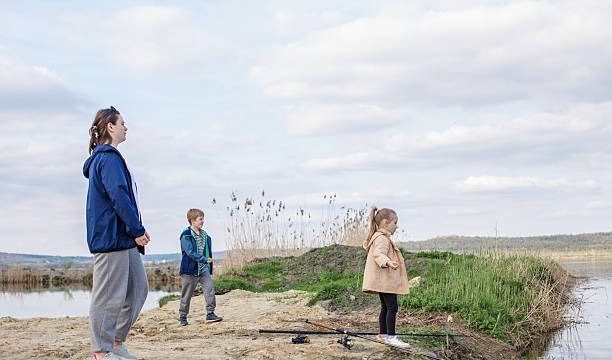
As we navigate our busy lives, it’s easy to forget the natural beauty that surrounds us. Taking a moment to appreciate the geography of our environment can bring a sense of peace and grounding. Whether it’s a walk in the park, a hike in the mountains, or simply observing the changing sky, these moments remind us of our connection to the earth. Nature has a way of calming our minds, encouraging us to slow down and breathe. By incorporating regular doses of nature into our routines, we invite a sense of balance and tranquility into our lives.
In addition to the physical landscape, the digital geography we engage with shapes our interactions and relationships. The internet has created a virtual space where we can connect with people from all corners of the globe. Social media platforms allow us to share experiences and ideas, breaking down geographical barriers. However, it’s essential to navigate this digital landscape mindfully. Balancing online interactions with face-to-face connections can lead to a more fulfilling social life. Being aware of how technology influences our relationships can help us maintain a sense of community, even in a digital world.
The concept of geography extends beyond physical spaces to include the emotional landscapes we navigate. Our personal experiences, memories, and emotions are often tied to specific places. A childhood home, a favorite vacation spot, or even a local café can evoke powerful feelings. These emotional connections to geography remind us of the importance of place in shaping our identities. Nurturing these memories can provide comfort and a sense of continuity in our ever-changing lives.
As we reflect on the role of geography in our everyday lives, we may find opportunities to create a more intentional relationship with our environment. Simple actions, such as choosing to walk instead of drive, visiting local markets, or exploring nearby parks, can enhance our connection to the world around us. By making conscious choices that honor our geographical influences, we can foster a lifestyle that promotes well-being and joy.
In conclusion, geography is woven into the fabric of our daily lives, influencing our choices, relationships, and experiences. By embracing the environment we inhabit, we can cultivate a deeper appreciation for the world around us. Whether through engaging with local culture, exploring nature, or nurturing our emotional connections to place, we can find balance and fulfillment in our everyday lives. So, the next time you step outside or interact with your surroundings, take a moment to appreciate the geography that shapes your journey. After all, the world is not just a backdrop; it is a vibrant partner in our life’s adventure.