In a world increasingly driven by technology, learning to code has become a valuable skill for children.
Yet, the thought of diving into programming can seem daunting to both kids and parents alike.
The good news is that coding can be fun and engaging, transforming a complex subject into an exciting adventure. By fostering a playful environment, children can explore coding in a way that feels natural and enjoyable.
A gentle introduction to coding
When introducing coding to children, it’s important to start with the basics in a way that feels relatable. Children are naturally curious, and this curiosity can be harnessed to spark an interest in coding. Begin with simple concepts, such as understanding how games are made or exploring the logic behind their favorite apps. This approach not only demystifies coding but also connects it to their everyday experiences.
Incorporating storytelling into coding can be particularly effective. Kids love stories, and weaving narratives into coding exercises can make the learning process feel like an adventure. For instance, they could create a character and write a program that guides it through a series of challenges. By framing coding as a way to tell stories, children can see the creative potential of programming, which may inspire them to dive deeper into the subject.
The power of play
Play is a fundamental part of childhood, and it can be a powerful tool in learning coding. Many coding platforms and games have been designed with this in mind, allowing children to learn programming concepts through interactive play. These platforms often use colorful graphics and engaging characters to capture children’s attention, making the learning process feel like a game rather than a chore.
Consider exploring coding games that encourage problem-solving and critical thinking. For example, some games involve guiding characters through mazes by providing them with simple commands. As children progress, they can unlock new levels and challenges, which keeps their interest piqued. This playful approach not only makes learning fun but also reinforces important skills such as logic and reasoning.
Creating a supportive environment
To nurture a child’s interest in coding, it’s essential to create a supportive and encouraging environment. This means being patient and celebrating their efforts, no matter how small. When children feel supported, they are more likely to take risks and try new things. Encourage them to ask questions and explore their ideas, fostering a sense of ownership over their learning journey.
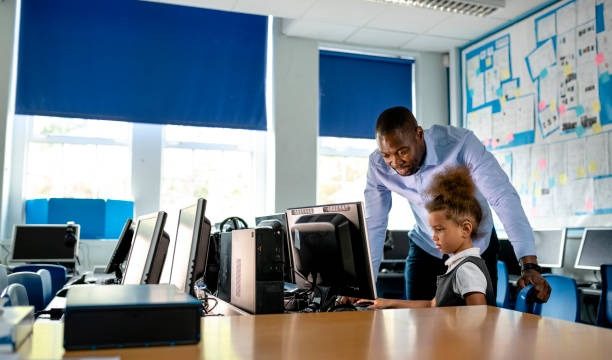
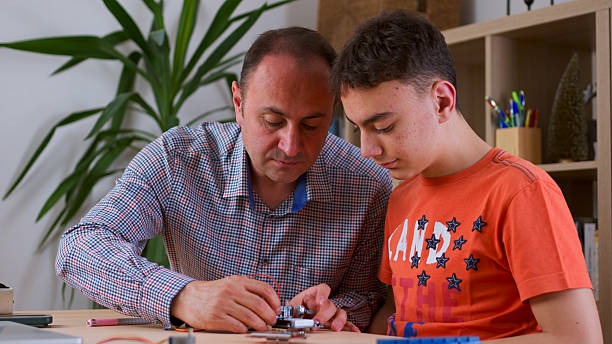
Additionally, consider joining them in their coding adventures. Working together on projects can be a bonding experience that allows you to share in their excitement. It’s also an opportunity to learn alongside them, as you might discover new things too. This collaborative approach can help demystify coding for both you and your child, making it a shared experience that you can enjoy together.
Exploring resources
There is a wealth of resources available for children to learn coding, many of which are designed to be user-friendly and engaging. Online platforms, coding camps, and workshops can provide structured learning experiences that cater to various age groups and skill levels. From interactive tutorials to engaging video lessons, these resources can help children grasp coding concepts at their own pace.
Don’t overlook the value of books, either. There are many children’s books that introduce coding concepts in a fun and accessible way. These stories often feature relatable characters and scenarios, making coding feel less intimidating. Reading together can spark conversations about coding and inspire children to explore further.
Finding the right balance
As with any learning experience, it’s important to find the right balance between structure and freedom. While guidance is essential, allowing children the space to experiment and explore on their own can lead to greater creativity and innovation. Encourage them to work on projects that interest them, whether it’s creating a game, designing a website, or developing an app. This autonomy can help them develop a deeper understanding of coding and its applications.
Additionally, it’s important to be mindful of screen time. Finding a healthy balance between coding and other activities is crucial for overall well-being. Encourage breaks and engage in offline activities that promote creativity and problem-solving, such as building with blocks, drawing, or even simple science experiments. This holistic approach can enrich their learning experience and foster a love for exploration.
Inspiring a lifelong journey
As children learn to code, they are not just acquiring a technical skill; they are also developing critical thinking and problem-solving abilities that will serve them throughout their lives. The creativity involved in coding can inspire them to pursue other interests, from art to engineering. By making coding fun and accessible, we can empower the next generation to embrace technology and use it as a tool for innovation.
Ultimately, the goal is to instill a love for learning and exploration. Whether your child becomes the next great programmer or simply develops a curiosity about how things work, the skills they gain through coding will benefit them in countless ways. By fostering an environment that values creativity, play, and exploration, we can help them embark on a lifelong journey of discovery.
As you embark on this adventure with your child, remember to keep it light-hearted and enjoyable. Celebrate their successes and encourage them to embrace challenges. With a little patience and creativity, coding can become not just a skill but a joyful experience that enriches their childhood and shapes their future.