Math is often viewed as a challenging subject, evoking feelings of anxiety or frustration in many.
Yet, it holds a world of fun and creativity that can be enjoyed by people of all ages.
By incorporating playful activities into our daily lives, we can transform our relationship with numbers and equations, making math not just a subject but a delightful experience. Here are some engaging math activities that can appeal to both young learners and adults alike.
A playful exploration of numbers
One of the simplest yet most effective ways to make math enjoyable is through games. Whether it’s a classic board game or a new app, games provide a fun environment where math skills can flourish. For younger children, games like “Chutes and Ladders” or “Monopoly Junior” introduce counting, addition, and strategy in a playful context. These games spark excitement and help children see math as part of a larger narrative rather than a series of abstract concepts.
For older kids and adults, card games like “Set” or “Rummy” can enhance pattern recognition and strategic thinking. Even simple number puzzles, like Sudoku, can be both entertaining and intellectually stimulating. The key is to choose games that not only entertain but also subtly reinforce math skills, allowing players to learn without feeling pressured.
Creative crafts with a mathematical twist
Crafting is another wonderful avenue to explore math concepts. Activities like creating geometric shapes using straws and connectors can turn a simple afternoon into an engaging learning session. As children build three-dimensional structures, they inadvertently grasp concepts such as symmetry, angles, and spatial reasoning.
For older audiences, exploring tessellations can be a fascinating project. By using colored paper or digital design tools, one can create intricate patterns that highlight the beauty of geometry. This activity not only fosters creativity but also encourages a deeper understanding of mathematical principles, making math feel like an art form.
Cooking: a delicious way to practice math
Cooking is an excellent way to incorporate math into daily life, as it naturally involves measurements and fractions. Whether measuring ingredients for a cake or adjusting a recipe for a larger gathering, the kitchen becomes a lively classroom where math is applied practically.
Encourage family members to take turns reading recipes, measuring ingredients, and even converting units. This hands-on experience not only makes math relevant but also builds confidence in handling numbers. Plus, the reward of a delicious meal at the end makes the process all the more satisfying.
Nature walks and outdoor adventures
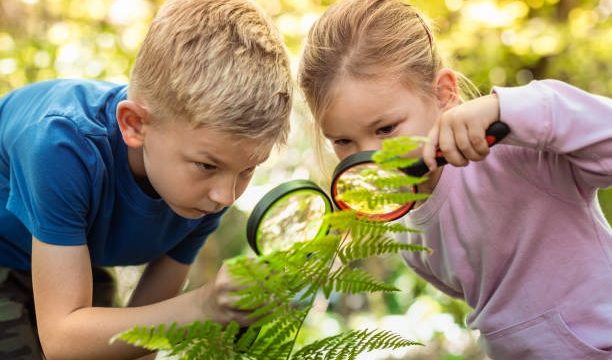
Nature has a way of inspiring curiosity, and it can be a fantastic setting for math exploration. Take a stroll in the park and encourage children to count the number of trees, flowers, or birds they see. This simple activity promotes observational skills and counting practice while allowing everyone to connect with the environment.
For older children and adults, activities like mapping a walking route can introduce concepts of distance and geometry. Using a smartphone or a simple map, participants can calculate distances, estimate travel times, and even explore coordinates. This real-world application of math in nature helps to eliminate the stigma that math is only confined to textbooks.
Building a math-friendly home environment
Creating an environment that embraces math can significantly impact one’s perception of the subject. Displaying math-related puzzles or games in common areas can spark curiosity and invite playful interactions. Consider dedicating a family night to math-themed challenges or trivia, where everyone can showcase their skills in a lighthearted manner.
Incorporating math into conversations can also help demystify the subject. Whether discussing the probability of winning a game or the significance of statistics in daily life, these discussions can help normalize math as a vital part of our everyday experiences.
Exploring technology and digital resources
In our increasingly digital world, technology offers a wealth of resources for exploring math in engaging ways. There are countless apps and online games designed to make learning math enjoyable. Many of these platforms use gamification to encourage practice and mastery of various concepts, blending fun with education seamlessly.
Encourage family members to explore these resources together. This not only opens up dialogue about math but also allows everyone to learn from one another. Sharing tips and strategies can create a supportive environment where math becomes a shared journey rather than an individual struggle.
A gentle approach to problem-solving
Sometimes, the best way to engage with math is through gentle problem-solving exercises. This could be as simple as solving a riddle or tackling a brain teaser together. The goal is to approach problems as a team, fostering collaboration and creative thinking.
When faced with a challenging puzzle, encourage everyone to think aloud and share their thought processes. This collaborative approach helps to normalize mistakes as part of the learning process, reinforcing the idea that math is not just about getting the right answer but also about the journey taken to reach it.
Nurturing a lifelong love of math
Ultimately, the goal of these activities is to nurture a lifelong appreciation for math. By framing math as a playful, creative, and collaborative endeavor, we can shift the narrative from one of fear to one of enjoyment.
As we engage with math in our daily lives, whether through games, crafts, cooking, or nature, we create lasting memories and connections. This not only enhances our understanding of numbers but also enriches our relationships with one another. So, let’s embrace the joy of math and explore its many dimensions together, one playful activity at a time.