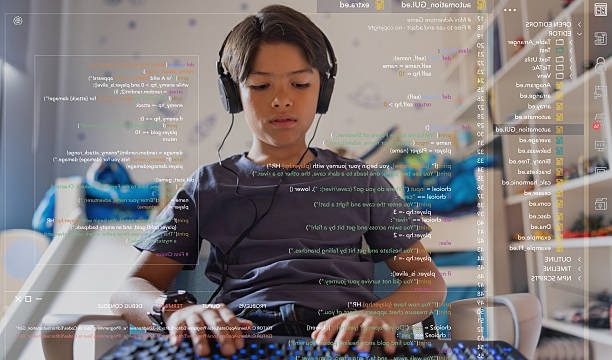
In today’s tech-driven world, coding is becoming an essential skill, not just for adults, but for children as well.
Understanding the basics of coding can open doors for kids, offering them a creative outlet while enhancing their problem-solving skills.
Teaching coding to children can be a delightful journey, filled with discovery and innovation. So, how can we guide our little ones through this captivating landscape? Let’s explore a step-by-step approach to make coding accessible and enjoyable for kids.
Starting with the Basics
Before diving into the world of coding, it’s important to introduce children to the fundamental concepts. Instead of jumping straight into complex programming languages, consider starting with the logic behind coding. This could be as simple as explaining how everyday tasks can be broken down into smaller steps. For instance, cooking a meal involves a series of instructions, much like coding does. This analogy can help children grasp the concept of algorithms in a relatable way.
Hands-On Learning
Once the basics have been established, the next step is to engage children with hands-on activities. There are numerous platforms designed specifically for young learners, providing them with an interactive way to understand coding. Websites like Scratch or Code.org offer a visual approach to coding, allowing kids to drag and drop code blocks to create animations, games, and stories. This method fosters creativity while reinforcing logical thinking.
Encouraging Exploration
As children become more comfortable with the basic concepts, encourage them to explore their interests through coding. Perhaps they have a favorite cartoon character or a story they want to animate. Allowing them to pursue personal projects not only makes learning more enjoyable but also instills a sense of ownership and pride in their work. This exploration phase is crucial, as it can ignite a passion for technology and innovation.
Fostering Collaboration
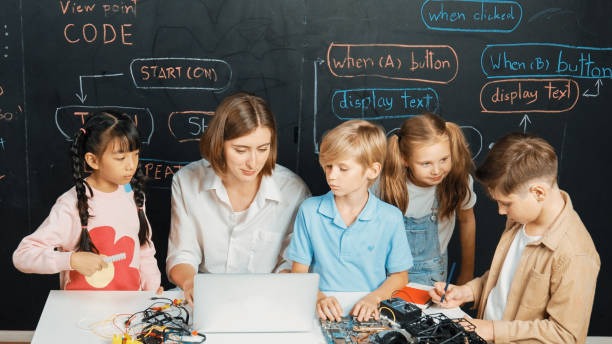
Learning to code doesn’t have to be a solitary endeavor. Encourage children to collaborate with their peers on coding projects. This can lead to a richer learning experience as they share ideas, troubleshoot issues, and celebrate each other’s successes. Collaborative projects can also teach valuable teamwork skills, preparing them for future endeavors both in and out of the tech world.
Integrating Play and Learning
Incorporating play into the learning process can significantly enhance a child’s engagement with coding. There are many coding games and apps tailored for kids that make learning feel less like a chore and more like an adventure. Games like LightBot or CodeCombat challenge children to solve puzzles using coding principles. This playful approach not only makes learning fun but also reinforces critical thinking and problem-solving skills.
Building Confidence
As children progress in their coding journey, it’s essential to celebrate their achievements, no matter how small. Acknowledging their efforts builds confidence and encourages them to tackle more complex challenges. Whether it’s a simple animation or a more intricate game, recognizing their hard work fosters a positive learning environment. This encouragement can be the fuel they need to continue exploring and learning.
Encouraging Lifelong Learning
Coding is an ever-evolving field, and fostering a mindset of lifelong learning is crucial. Encourage children to stay curious and seek out new challenges even after they’ve grasped the basics. This could involve participating in coding clubs, attending workshops, or simply exploring new coding languages or platforms. Cultivating a love for learning will serve them well, not just in coding, but in all aspects of life.
Connecting with Real-World Applications
As children become more proficient in coding, it can be beneficial to connect their skills to real-world applications. Discuss how coding is used in various industries, from video game development to healthcare technology. This connection can help children understand the relevance of their skills and inspire them to think about future career paths. It can also spark discussions about how technology impacts everyday life, encouraging critical thinking about the digital world around them.
Nurturing Creativity
At its core, coding is about creativity. It’s a medium through which children can express themselves and bring their ideas to life. Encourage kids to think outside the box and experiment with their projects. Whether they’re designing a game or creating a digital art piece, the possibilities are endless. This nurturing of creativity can lead to innovative thinking and problem-solving, skills that are valuable in any field.
Creating a Supportive Environment
Finally, creating a supportive environment is essential for fostering a love of coding in children. Be present in their learning journey, showing interest in their projects and offering assistance when needed. This support can help reduce frustration and make the learning process more enjoyable. Encourage open communication, allowing them to express their thoughts and challenges freely. A nurturing atmosphere can make all the difference in a child’s learning experience.
As we guide our children through the world of coding, it’s important to remember that this journey is not just about learning a skill; it’s about fostering curiosity, creativity, and resilience. By taking a step-by-step approach and providing a supportive environment, we can inspire the next generation of innovators and problem solvers. So, let’s embark on this exciting adventure together, embracing the joys of coding and all the possibilities it brings.