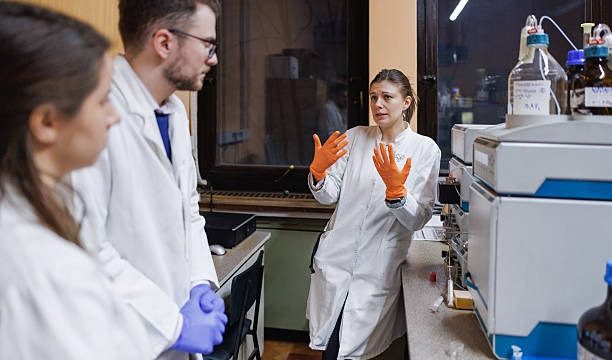
Chemistry is often seen as a complex subject confined to laboratories, textbooks, and the minds of scientists.
However, its influence extends far beyond the walls of academia, quietly but profoundly shaping our daily lives.
From the food we eat to the products we use, chemistry is the unsung hero that powers modern living, making our existence healthier, safer, and more convenient.
In the kitchen, chemistry plays a vital role in the transformation of raw ingredients into delicious meals. When we bake bread, for example, yeast ferments sugars, producing carbon dioxide that makes the dough rise. This simple yet fascinating chemical reaction is a perfect illustration of how chemistry brings life to our culinary creations. The Maillard reaction, which occurs when proteins and sugars in food are heated, gives grilled meats and toasted bread their rich flavors and appealing colors. Each bite is a testament to the beauty of chemistry, creating not only nourishment but also enjoyment.
Moving beyond the kitchen, chemistry is at the heart of our health and wellness. Pharmaceuticals, designed through intricate chemical processes, have revolutionized healthcare. They help alleviate pain, manage chronic conditions, and even cure diseases that once seemed insurmountable. While it’s easy to take these advancements for granted, each pill represents decades of research and understanding of chemical interactions within the body. This knowledge allows us to lead healthier lives, providing a sense of comfort and security in our daily routines.
The impact of chemistry is also evident in our personal care products. From shampoos to lotions, the formulations we use are the result of careful chemical engineering. These products often contain a blend of natural and synthetic ingredients that work together to nourish our skin and hair. For instance, surfactants in shampoos help lift dirt and oil, while moisturizers provide hydration. The thoughtful design of these products, grounded in chemistry, transforms our self-care rituals into moments of relaxation and rejuvenation.
In our homes, chemistry contributes to the safety and cleanliness of our environment. Household cleaners, for example, rely on chemical reactions to break down stains and eliminate germs. The effectiveness of bleach, for instance, lies in its ability to react with and destroy harmful bacteria and viruses. Similarly, the development of eco-friendly cleaning products highlights chemistry’s role in promoting sustainability. By using biodegradable ingredients that break down naturally, we can keep our homes clean while also being kind to the planet.
Another area where chemistry shines is in the realm of materials. The fabrics we wear, the technology we use, and even the buildings we inhabit are all products of chemical innovation. Polymers, which are long chains of molecules, have led to the creation of synthetic materials like nylon and polyester. These fabrics are not only durable but also versatile, offering comfort and style. In technology, semiconductors, which are essential for our computers and smartphones, rely on specific chemical properties to function effectively. Each time we tap our screens or send a message, we engage with chemistry in a way that enhances our connectivity and convenience.
As we look toward the future, chemistry continues to hold promise in addressing some of the world’s most pressing challenges. Climate change, food security, and public health are just a few areas where chemical research is paving the way for innovative solutions. For instance, advances in chemistry have led to the development of renewable energy sources, such as solar cells and biofuels, which can reduce our reliance on fossil fuels. These innovations not only aim to protect the environment but also strive to create a sustainable future for generations to come.
In the realm of agriculture, chemistry plays a crucial role in enhancing food production. Fertilizers and pesticides, when used responsibly, can significantly increase crop yields, helping to feed a growing global population. Moreover, the development of genetically modified organisms (GMOs) demonstrates how chemistry can help improve the nutritional content and resilience of food crops. While these advancements may spark debate, they also underscore the importance of chemistry in ensuring food security in an ever-changing world.
As we navigate our daily lives, it’s easy to overlook the intricate web of chemical processes that support our well-being. Chemistry is not just a subject studied in schools; it is a fundamental part of our existence. From the moment we wake up and brush our teeth to the time we unwind in the evening, chemistry is working behind the scenes, enhancing our experiences and making life a little more enjoyable.
So, the next time you savor a meal, apply your favorite lotion, or relax in your home, take a moment to appreciate the role chemistry plays in your life. It is a gentle reminder that science is not just an abstract concept but a tangible force that enriches our everyday experiences. Embracing this knowledge can lead to a deeper appreciation for the world around us and the remarkable ways in which chemistry powers modern life.
In a sense, understanding chemistry can inspire us to be more mindful of our choices, encouraging us to seek out products and practices that align with our values. Whether it’s opting for sustainable materials, supporting local agriculture, or simply being aware of the ingredients in our food, every small shift contributes to a more harmonious existence. Chemistry, in all its complexity, is a beautiful dance of elements and compounds, working together to create the vibrant tapestry of modern life that we enjoy today.