In a world where information is readily available at our fingertips, the role of teachers has evolved into something much more than just imparting knowledge.
They are now guides, mentors, and, perhaps most importantly, creators of memorable experiences that can shape a student’s understanding of the world.
Making lessons memorable is not just about the content; it’s about creating an atmosphere where learning feels vibrant and engaging. Here are some gentle ways teachers can infuse their lessons with lasting impact.
Creating a Warm Environment
The foundation of a memorable lesson begins with a welcoming classroom environment. A space that feels safe and inviting encourages students to express themselves freely. Simple touches, like personalized notes on students’ desks or a corner filled with comfortable seating, can make a significant difference. When students feel at home, they are more likely to engage in discussions and share their thoughts without hesitation.
Incorporating Storytelling
Humans have been sharing stories for centuries, and this age-old tradition remains a powerful tool in education. Weaving narratives into lessons can help students connect with the material on a deeper level. Whether it’s a historical event, a scientific principle, or a mathematical concept, embedding stories can make the information more relatable. When a teacher shares anecdotes or invites students to create their own, the lesson transforms from a mere exchange of facts to a rich tapestry of experiences.
Engaging the Senses
Memorable lessons often engage multiple senses. Incorporating visual aids, sounds, and even scents can create a more immersive learning experience. For instance, in a science class discussing ecosystems, bringing in samples of soil or plants can spark curiosity. In a literature class, reading poetry aloud can evoke emotions that resonate more profoundly than reading silently. When students can see, hear, or touch what they’re learning, it becomes part of their memory in a more tangible way.
Fostering Collaboration
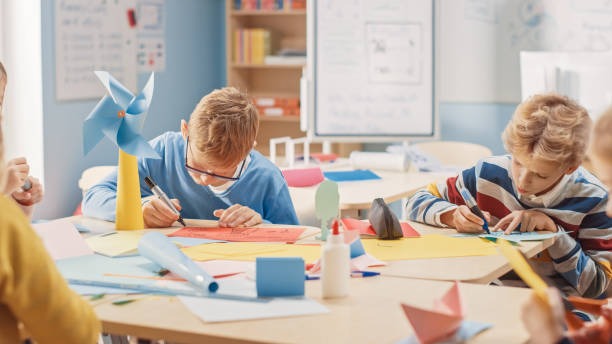
Learning can be a solitary journey, but it often flourishes in collaboration. Encouraging group activities and discussions allows students to learn from each other while also building social skills. When students work together on projects, they create shared memories that enhance their understanding of the topic. This collaboration can also lead to a sense of community in the classroom, making lessons feel less like obligations and more like shared adventures.
Encouraging Creativity
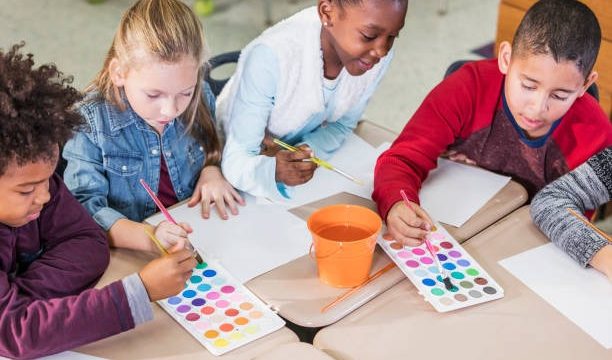
Creativity is a vital component of memorable lessons. Allowing students to express their understanding through various mediums—be it art, music, or creative writing—can lead to deeper engagement. For example, if a teacher is discussing a historical event, they might invite students to create a short play or a visual representation of the event. By encouraging students to think outside the box, teachers help them forge a personal connection to the material that will linger long after the lesson has ended.
Utilizing Technology Wisely
In the digital age, technology can be a remarkable ally in creating memorable lessons. Interactive tools, educational games, and multimedia presentations can capture students’ attention and cater to various learning styles. For instance, a virtual field trip can transport students to far-off places, making the lesson come alive in a way that a textbook cannot. However, it’s essential to strike a balance—technology should enhance the learning experience, not overshadow it.
Incorporating Real-World Connections
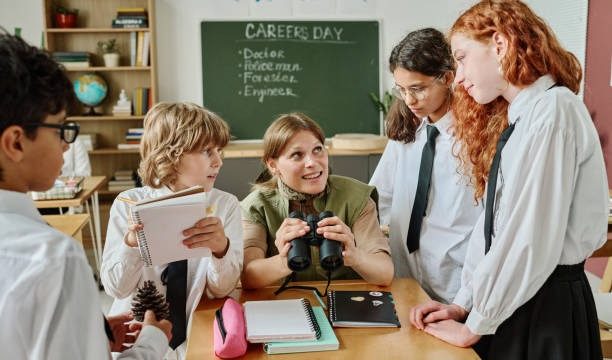
Bringing real-world relevance into lessons can significantly enhance their memorability. When students can see how what they’re learning applies to their lives or the world around them, it fosters a sense of purpose. Whether it’s discussing environmental issues in a science class or exploring current events in a social studies lesson, connecting the curriculum to real-life situations can ignite passion and curiosity.
Celebrating Achievements
Recognizing and celebrating student achievements, no matter how small, can create a lasting impression. Acknowledgment can take many forms, from verbal praise to creating a “wall of fame” in the classroom. When students feel valued for their contributions, they are more likely to remember the experience and the lessons learned. This positive reinforcement builds confidence and encourages them to strive for success in the future.
Nurturing a Growth Mindset
Instilling a growth mindset within the classroom can transform the way students approach challenges. When teachers emphasize the importance of effort and resilience over innate ability, they create an atmosphere where mistakes are seen as learning opportunities rather than failures. This perspective encourages students to embrace challenges and persist, making the learning process itself a memorable journey.
Reflecting on Lessons
Finally, taking time for reflection can deepen the impact of a lesson. Allowing students to share their thoughts on what they enjoyed, what they found challenging, and how they might apply their new knowledge encourages critical thinking. Reflection helps solidify memories and allows students to articulate their learning, further embedding it in their minds. It also gives teachers valuable insights into what resonates with their class, enabling them to tailor future lessons accordingly.
In the end, making lessons memorable is about more than just the content being taught. It’s about fostering an environment where students feel safe, engaged, and connected to what they are learning. By incorporating storytelling, creativity, collaboration, and real-world relevance, teachers can create experiences that students will carry with them long after they leave the classroom. These moments of connection and understanding can ignite a lifelong passion for learning, making every lesson a stepping stone in a beautiful journey of discovery.