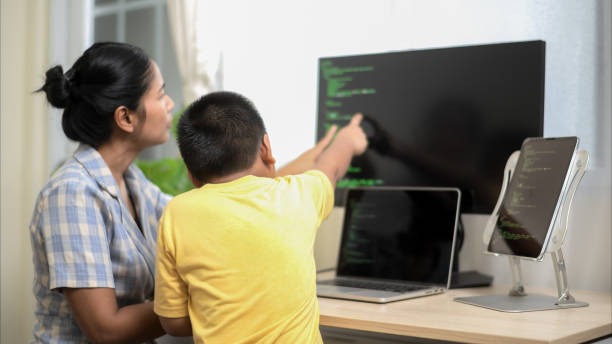
In a world that increasingly relies on technology, introducing programming logic to kids can be an exciting journey filled with creativity and discovery.
Rather than viewing programming as a complex skill reserved for experts, it can be seen as a playful exploration of problem-solving and critical thinking.
This gentle introduction to programming logic can empower children, allowing them to express their ideas and understand the digital world around them.
Understanding programming logic doesn’t have to be daunting. At its core, programming is about giving instructions to a computer in a way that it understands. Think of it as a recipe: just as a chef follows steps to create a delicious dish, programmers write sequences of commands to create games, apps, or even websites. By breaking down tasks into smaller, manageable parts, children can learn to think logically and approach challenges with confidence.
A wonderful way to start this journey is through games and playful activities. Many children are already familiar with various digital games, and the principles behind them can serve as a gateway into programming logic. For instance, games that require players to strategize or solve puzzles encourage kids to think critically about the steps they need to take to achieve a goal. This kind of thinking mirrors the logical process of programming, where each decision leads to a specific outcome.
As they engage with these games, kids can begin to recognize patterns and sequences, which are fundamental aspects of programming logic. They can learn how certain actions lead to specific results, fostering an understanding of cause and effect. This not only builds their problem-solving skills but also nurtures their creativity as they explore different ways to tackle challenges.
Exploring programming logic through hands-on activities can also be incredibly rewarding. Simple exercises like building with blocks or creating a treasure map can illustrate how algorithms work. For example, when creating a treasure map, children must think about the sequence of turns and movements needed to reach the treasure. This kind of thinking lays the groundwork for understanding more complex programming concepts later on.
As children become more comfortable with logical thinking, introducing them to basic coding platforms can be the next step. Many educational tools are designed specifically for young learners, offering a friendly interface that allows kids to create their own projects. Platforms like Scratch or Code.org provide a fun environment where children can drag and drop code blocks to create animations, stories, or games. These tools not only make learning enjoyable but also help children grasp the concept of coding without overwhelming them with syntax.
Creating a routine around programming can foster a sense of balance in their learning journey. Setting aside a specific time each week to explore coding activities can help children develop consistency and dedication. It’s important for them to understand that learning programming logic is a gradual process. Encourage them to experiment, make mistakes, and learn from those experiences. This mindset will help them view challenges as opportunities for growth rather than obstacles.
As children progress, they may also benefit from collaborating with peers. Working together on projects can enhance their communication skills and encourage teamwork. Group activities can spark creativity and inspire kids to think outside the box. Whether they are building a simple game or solving a coding puzzle, collaboration can make the learning experience even more enriching.
It’s also essential to celebrate their achievements, no matter how small. Each completed project or solved puzzle can boost their confidence and motivate them to continue exploring. Recognizing their progress helps reinforce the idea that learning is a journey, not just a destination. A simple “well done” or sharing what they created with family can make a significant difference in their enthusiasm for programming.
As children delve deeper into programming logic, they will naturally develop skills that extend beyond coding. Critical thinking, creativity, and perseverance are just a few of the valuable traits they will cultivate along the way. These skills can be applied in various aspects of their lives, from school projects to everyday problem-solving.
In addition, programming logic can be a wonderful avenue for self-expression. As children learn to code, they can create their own games or stories, allowing them to share their ideas and passions with others. This creative outlet can be incredibly fulfilling, providing them with a sense of ownership and pride in their work.
As we nurture the next generation of thinkers and creators, it’s vital to encourage a balanced approach to learning. Emphasizing the importance of play, experimentation, and collaboration can foster a love for programming that lasts a lifetime. By introducing programming logic in a gentle and engaging way, we can inspire kids to embrace technology not just as consumers but as innovators.
In conclusion, introducing programming logic to kids can be a rewarding experience that opens up a world of possibilities. By framing programming as a fun and creative endeavor, we can help children develop essential skills that will serve them well throughout their lives. Through exploration, collaboration, and celebration of their achievements, we can guide them on a path toward becoming confident problem solvers and imaginative thinkers. In this digital age, empowering our children with the fundamentals of programming logic is a gift that will benefit them now and in the future.