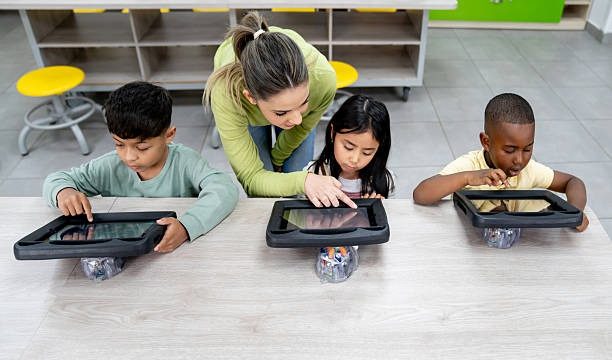
In today’s tech-driven world, learning to code is becoming an essential skill for children.
It’s not just about creating apps or websites; coding fosters problem-solving abilities, creativity, and logical thinking.
If you’re a parent looking to introduce your child to the world of programming, starting with easy projects can make the learning process enjoyable and rewarding.
The beauty of coding lies in its accessibility. With a variety of resources available, kids can begin their coding journey in a fun and engaging way. Simple projects can ignite their interest in technology and help them grasp fundamental concepts without feeling overwhelmed.
A gentle introduction to coding can take many forms. One of the most approachable ways is through visual programming languages like Scratch. This platform allows children to create interactive stories, games, and animations by snapping together blocks of code. The colorful interface and drag-and-drop functionality make it easy for young learners to understand coding logic.
Imagine your child creating a simple game where a character jumps over obstacles. As they experiment with different variables, such as speed and gravity, they learn how their code affects the game’s behavior. This hands-on experience not only builds their coding skills but also enhances their creativity. Each project becomes a canvas for self-expression, blending technology with art in a delightful way.
As children progress, they may want to try their hand at more complex projects. Python, a versatile and beginner-friendly programming language, offers a wonderful next step. With its straightforward syntax, Python allows kids to write code that is easy to read and understand. A classic beginner project is building a simple calculator. This project introduces essential programming concepts like variables, functions, and user input, all while keeping the experience fun and engaging.
Creating a calculator can spark discussions about how technology simplifies everyday tasks. It can lead to questions about how different applications work or how coding is used in various industries. Encouraging curiosity can help children see the bigger picture of what they are learning, connecting coding to real-world applications.
Another engaging project could involve making a simple web page. With tools like HTML and CSS, kids can learn how websites are structured and styled. Imagine your child designing a personal webpage showcasing their favorite hobbies or interests. This project not only teaches them the basics of web development but also allows them to express themselves online.
The process of coding a webpage can also introduce children to concepts like design and user experience. They might learn how color choices and layout impact the way information is presented. These lessons go beyond coding; they nurture critical thinking and creativity, helping children become well-rounded individuals.
As kids dive deeper into coding, they might enjoy exploring robotics or game development. Platforms like LEGO Mindstorms or game engines like Unity provide opportunities for hands-on learning. Building a robot that follows commands or creating a simple video game can be incredibly rewarding. These projects often require teamwork, encouraging collaboration and communication skills, which are invaluable in today’s interconnected world.
Throughout this journey, it’s essential to foster a positive atmosphere around coding. Encourage your child to embrace mistakes as part of the learning process. Coding is often about trial and error, and instilling a growth mindset can help them persevere through challenges. Celebrate their achievements, no matter how small, as each success builds their confidence and motivation.
Creating a regular coding routine can also be beneficial. Designate time for coding sessions, whether it’s once a week or a few times a month. This consistency helps children develop discipline and keeps their interest alive. Consider joining them in their projects; your involvement can create a wonderful bonding experience and show them that learning is a lifelong journey.
As your child becomes more comfortable with coding, encourage them to share their projects with friends or family. Showcasing their work can provide a sense of accomplishment and inspire others to explore coding as well. This sharing can also lead to discussions about the importance of technology and coding in various fields, from science to art.
Incorporating coding into your child’s life doesn’t have to be a rigid or daunting task. The key is to keep it fun and engaging. Utilize online resources, community workshops, or even local coding clubs to provide additional support and inspiration. Surrounding them with like-minded peers can ignite their passion and create a sense of belonging in the tech community.
As we navigate this digital age, equipping our children with coding skills can empower them to thrive. The projects they create are not just lines of code; they are stepping stones toward a future filled with possibilities. By introducing coding through easy projects, we can help children develop a love for learning that lasts a lifetime.
In the end, it’s about more than just coding. It’s about nurturing curiosity, creativity, and resilience. As our children explore the world of programming, they are not just learning a skill; they are discovering their potential. So let them play, experiment, and create. The world of coding is vast, and every small project opens a door to new adventures.