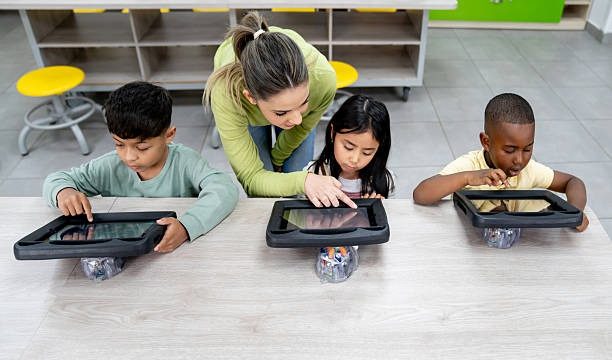
In today’s fast-paced world, nurturing creativity and problem-solving skills in children is more important than ever.
Coding is an excellent way to achieve this, as it encourages logical thinking, patience, and perseverance.
The beauty of coding lies in its accessibility. With just a few simple challenges, your child can embark on a journey filled with fun and learning.
A gentle introduction to coding
Before diving into specific challenges, it’s helpful to understand what coding can do for kids. At its core, coding is about breaking down problems into manageable parts and finding solutions. This skill translates well into everyday life, fostering a mindset that embraces curiosity and exploration. As children engage with coding, they develop critical thinking skills that will serve them well in various aspects of their lives.
The right mindset
Approaching coding with a relaxed attitude is essential. It’s not just about getting the right answer; it’s about the process of discovery. Encouraging your child to experiment and make mistakes can lead to valuable learning experiences. Help them understand that errors are a natural part of the journey, and each one brings them closer to a solution. This mindset will not only enhance their coding skills but also build resilience and confidence.
Simple coding challenges to ignite creativity
Begin with challenges that require minimal resources. Many coding activities can be done without a computer, using just pen and paper, or even through playful activities.
One delightful challenge is to create a simple treasure map. In this task, your child can design a map leading to a hidden treasure in your home or backyard. They can use symbols and directions to guide others to the treasure. This activity encourages them to think like a programmer by breaking down the steps needed to reach the goal. It also allows for creativity in crafting the story behind the treasure, fostering imagination alongside logical reasoning.
Another engaging challenge is to create a set of instructions for a simple task, like making a sandwich or tying shoelaces. Your child can write down each step in a precise manner, just like a computer would need. This task emphasizes the importance of clarity and order in coding, as even a small mistake in the instructions can lead to unexpected outcomes.
A playful exploration of patterns
Once your child feels comfortable with basic challenges, introduce them to the idea of patterns. Patterns are fundamental in coding and can be explored through games or nature. A simple activity could involve identifying patterns in everyday life, like the arrangement of tiles on the floor or the stripes on a shirt.
Encourage them to create their own patterns using colored paper or beads, which can later be translated into a coding concept. For instance, they might create a sequence of colors and then write a short code to replicate it. This not only reinforces their understanding of sequences but also allows them to express their creativity.
Integrating technology
As your child becomes more confident, consider introducing them to beginner-friendly coding platforms. Websites like Scratch or Code.org offer interactive environments where kids can create their own animations or games. These platforms use visual blocks to represent code, making it easier for young learners to grasp fundamental concepts without feeling overwhelmed.
Encouraging exploration on these platforms can lead to exciting projects. Perhaps your child might want to design a simple game featuring their favorite animal or create a story with animated characters. The key is to let them guide their learning journey, exploring what excites them the most.
The joy of collaboration
Coding doesn’t have to be a solitary activity. Encourage your child to collaborate with friends or family members on coding projects. This not only enhances their social skills but also allows them to learn from one another’s perspectives. Working together can lead to new ideas and solutions that they might not have considered on their own.
You might consider hosting a small coding party where kids can share their projects and ideas. This relaxed environment fosters a sense of community and collaboration, which can be incredibly rewarding.
Celebrating progress
As your child completes coding challenges, take the time to celebrate their progress. Whether it’s a small acknowledgment of their efforts or a more significant celebration of a completed project, recognizing their achievements boosts their confidence and motivation.
Creating a showcase of their work can be a fun way to highlight their growth. This could be a simple presentation to family members or even a digital portfolio where they can display their coding projects. The pride they feel in sharing their accomplishments can inspire them to take on even more challenging tasks in the future.
A journey of discovery
At its heart, coding is about exploration and discovery. Each challenge is an opportunity for your child to learn something new about themselves and the world around them. Encourage them to stay curious, to ask questions, and to seek out solutions.
As they navigate through various coding challenges, they will not only develop technical skills but also cultivate a mindset that values persistence and creativity. These qualities will serve them well, not just in coding, but in all areas of life.
In the end, the goal is not just to teach children how to code but to inspire them to think critically and embrace challenges with enthusiasm. By introducing simple coding challenges, you are opening up a world of possibilities where their imagination and problem-solving abilities can flourish.
So, as you embark on this exciting journey with your child, remember to keep it light and enjoyable. The most important thing is to create a space where they feel free to explore, learn, and grow. Happy coding!