In our daily lives, we often encounter machines that make tasks easier, faster, and more efficient.
From the moment we wake up, we interact with various devices, whether it’s the coffee maker brewing our morning cup or the washing machine diligently cleaning our clothes.
Each of these machines performs work, but what does that really mean? Understanding the concept of work done by machines can deepen our appreciation for the technology that surrounds us.
Work, in the simplest terms, refers to the transfer of energy that occurs when a force is applied to an object, and that object moves in the direction of the force. This definition may sound technical, but it’s a fundamental principle that governs how machines operate. When we think about the work done by a machine, we consider how it transforms energy to accomplish tasks that would be challenging or impossible for us to achieve alone.
The beauty of machines lies in their ability to amplify our efforts. Imagine trying to lift a heavy object by yourself. It can be exhausting and perhaps even dangerous. However, when you use a lever, you can lift that object with much less effort. This is a prime example of how machines help us by allowing us to apply a smaller force over a greater distance, ultimately achieving the same result with less strain.
As we delve deeper, it’s interesting to note that not all machines are created equal in terms of efficiency. Some machines are designed to maximize the work they do while consuming minimal energy. For instance, modern washing machines are engineered to clean clothes effectively while using less water and electricity than older models. This efficiency is a reflection of our evolving understanding of energy use and sustainability. It’s a small yet significant shift towards a more balanced relationship with the environment.
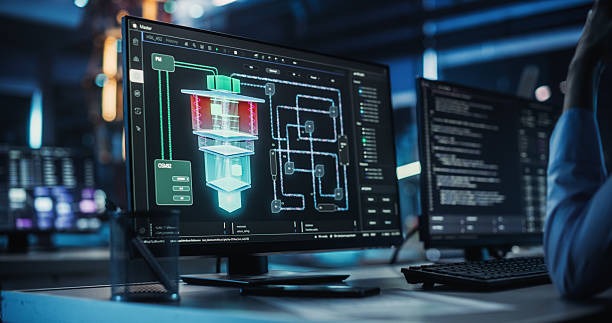
The work done by machines is not limited to physical labor. In our increasingly digital world, machines also perform work in the realm of information processing. Computers, for example, can analyze vast amounts of data at speeds that far exceed human capability. This ability to process and organize information has transformed industries, enabling advancements in fields like medicine, finance, and education. The work these machines do is often invisible, yet it profoundly impacts our lives and the choices we make.
As we reflect on the role of machines, it’s essential to consider how we interact with them. While they offer convenience and efficiency, there’s a delicate balance to maintain. Relying too heavily on machines can sometimes lead to a disconnect from the skills and tasks we once performed manually. For instance, the art of cooking has been transformed by kitchen gadgets that simplify the process. While these machines save time, they can also diminish our connection to the ingredients and the joy of creating a meal from scratch.
Finding balance in our relationship with machines is a personal journey. Some may choose to embrace technology wholeheartedly, while others may prefer a more hands-on approach. The key lies in understanding the work machines do for us and how we can integrate their benefits into our lives without losing touch with the human experience. It’s about appreciating the convenience they offer while also recognizing the value of our own efforts and skills.
In recent years, there has been a growing movement towards mindfulness in our daily activities. This extends to how we use machines and technology. By being intentional about our interactions with machines, we can cultivate a more harmonious existence. For instance, setting aside time to engage in activities that don’t involve machines—like gardening, reading a book, or simply enjoying a walk—can provide a refreshing balance to our tech-driven lives.
Moreover, understanding the work done by machines can inspire us to become more informed consumers. When we recognize the energy efficiency and capabilities of different machines, we can make choices that align with our values. Whether it’s investing in energy-efficient appliances or supporting companies that prioritize sustainability, our awareness can lead to positive changes in our lifestyles and the environment.
As we navigate this dance between human effort and machine efficiency, it’s worth noting that the future holds even more possibilities. Innovations in artificial intelligence and robotics are continuously reshaping how we think about work and productivity. While these advancements bring exciting opportunities, they also prompt us to consider the ethical implications of relying on machines for tasks traditionally performed by humans. How do we balance progress with the need for human connection and creativity?
Ultimately, the work done by machines is a reflection of our own desires for ease and efficiency. They are tools designed to enhance our lives, but they should not replace the richness of our human experiences. By embracing the benefits of technology while remaining grounded in our humanity, we can create a lifestyle that honors both innovation and tradition.
In conclusion, understanding the work done by machines is not just about grasping a scientific principle; it’s about appreciating the interplay between technology and our daily lives. As we continue to navigate a world filled with machines, let’s strive for a balance that allows us to harness their capabilities while celebrating the unique qualities that make us human. Whether through small daily tasks or larger life choices, we can create a harmonious existence that honors both our efforts and the remarkable machines that assist us.