In today’s fast-paced world, the way we learn is evolving.
Traditional methods of education often emphasize rote memorization and passive absorption of information.
However, the shift towards active learning strategies has opened doors to more engaging and effective educational experiences. Active learning encourages students to participate in their own learning process, fostering critical thinking and collaboration. Fortunately, there is a wealth of educational resources available that support these dynamic strategies.
A gentle embrace of active learning
At the heart of active learning is the idea that students learn best when they are actively involved in the process. This can be achieved through discussion, group work, problem-solving, and hands-on activities. To support these approaches, various resources can be utilized, helping educators and learners alike to cultivate a more interactive environment.
One of the most accessible resources is technology. Educational platforms and apps have transformed the landscape of learning, offering tools that promote engagement and interactivity. For instance, platforms like Kahoot! and Quizlet provide fun, game-like environments where students can quiz each other and collaborate in real-time. These tools not only make learning enjoyable but also encourage peer interaction, which can deepen understanding and retention of material.
Creating a community of learners
Another powerful resource is the community itself. Learning doesn’t have to be confined within the walls of a classroom. Local libraries, community centers, and even online forums can serve as platforms for collaborative learning. Book clubs, discussion groups, and workshops can bring individuals together, allowing them to share insights and perspectives. This collaborative approach enriches the educational experience, as different viewpoints can spark new ideas and foster critical thinking.
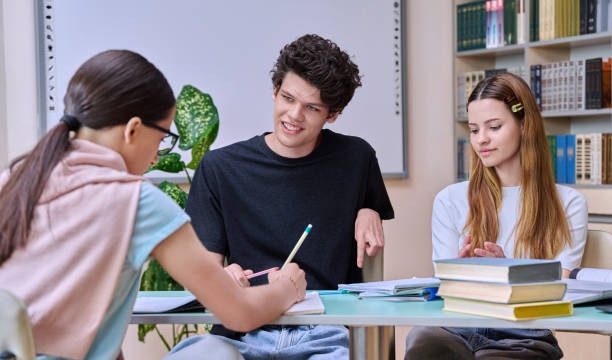
Moreover, educators can create a sense of community within their classrooms by incorporating group projects and peer-to-peer teaching. When students work together, they not only learn from the material but also from each other. This collaborative spirit nurtures a supportive environment where learners feel encouraged to express their thoughts and questions.
The art of storytelling
Storytelling is another effective strategy that can enhance active learning. Whether through literature, personal anecdotes, or historical narratives, stories have a unique way of capturing attention and making concepts relatable. Educators can incorporate storytelling into their lessons to help students connect emotionally with the material. This connection can lead to a deeper understanding and a greater desire to explore the subject matter further.
Incorporating multimedia resources, such as videos or podcasts, can also bring stories to life. These resources cater to various learning styles and can help illustrate complex concepts in a more digestible format. By engaging students through storytelling, educators can create a richer learning experience that resonates on multiple levels.
A small shift toward balance
It’s essential to recognize that while active learning strategies can be invigorating, balance is key. Overloading students with too many activities can lead to burnout. Therefore, it’s important to find a harmonious blend of active and traditional learning methods. Resources such as guided reading materials and structured lectures can complement hands-on activities, allowing for a well-rounded educational experience.
Additionally, incorporating mindfulness practices can help students manage stress and stay focused. Simple techniques like deep breathing or short meditation sessions can create a calm atmosphere conducive to learning. By fostering a balanced approach, educators can ensure that students remain engaged without feeling overwhelmed.
Exploring the outdoors
Nature can also be an excellent classroom. Outdoor education provides hands-on learning experiences that can’t be replicated indoors. Field trips to parks, museums, or historical sites allow students to explore and discover in a real-world context. Outdoor activities, such as science experiments or team-building exercises, can promote collaboration and critical thinking while rejuvenating the spirit.
For those unable to participate in physical outings, virtual field trips and nature documentaries can serve as engaging alternatives. These resources can spark curiosity and inspire students to ask questions about the world around them, further enhancing their learning journey.
Cultivating a growth mindset
Active learning is deeply intertwined with the concept of a growth mindset—the belief that abilities and intelligence can be developed through dedication and hard work. Educational resources that promote this mindset can empower students to take risks, embrace challenges, and view failures as opportunities for growth.
Books, workshops, and online courses focusing on growth mindset principles can inspire both educators and learners. By fostering an environment where mistakes are viewed as stepping stones to success, students are more likely to engage actively in their learning process.
In conclusion, the landscape of education is rich with resources that support active learning strategies. By leveraging technology, fostering community, embracing storytelling, maintaining balance, exploring the outdoors, and cultivating a growth mindset, educators can create dynamic and engaging learning experiences. As we continue to shift towards more interactive methods, we can inspire a generation of learners who are not only knowledgeable but also curious, collaborative, and resilient. In this way, education becomes not just a process of acquiring information, but a journey of discovery and personal growth.